How Food CPG Brands Turn Target Shelf Space Into Creator Reach
Target shoppers respond to trend and discovery framing more than any other major retailer. Creator campaigns that lean into "have you seen this yet" outperform straightforward product callouts.
Trusted by leading CPG brands













On this page
▼
- Why Target is a uniquely high-value influencer channel
- Creator selection for Target campaigns
- Brief structure for Target content
- Timing Target campaigns with retail moments
- Attribution for Target campaigns
- Common mistakes CPG brands make with Target campaigns
- How Jupiter handles Target influencer marketing for CPG
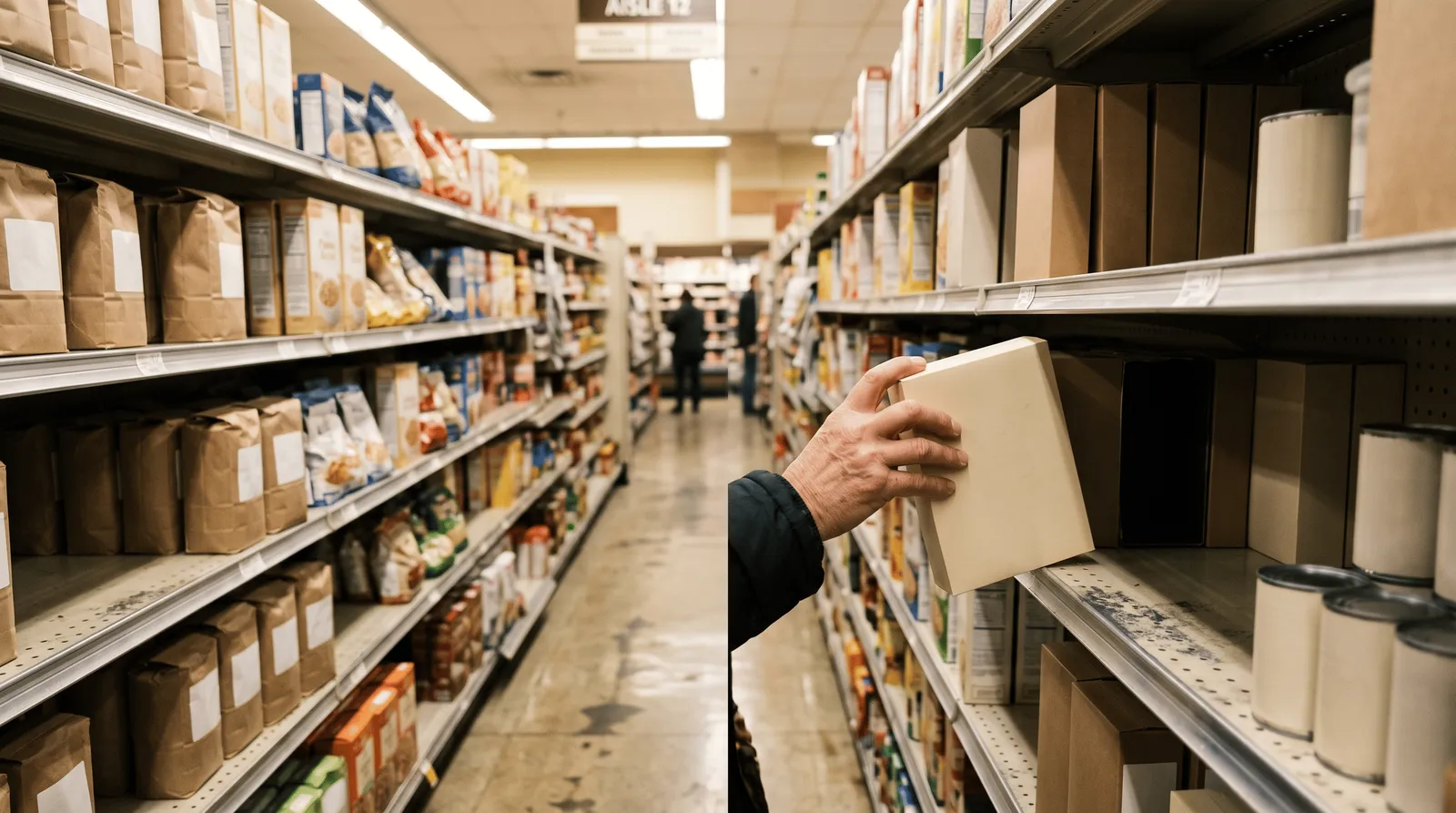
Target has built a shopper base that treats grocery trips like discovery trips. Shoppers go in for a short list and leave having found something they didn't know they needed, and that behavior is well documented in Target's own retail identity. A creator campaign for a Target listing should be built around that discovery instinct, not around a straightforward "here's a product" callout that would work fine at a more utilitarian retailer.
This playbook covers creator selection, brief structure, timing, and attribution specifically for a Target listing or seasonal placement.
Why Target is a uniquely high-value influencer channel
Target shoppers are unusually receptive to trend-driven content, and that receptivity transfers directly to creator marketing. A product framed as "the new thing at Target" carries more weight with this audience than the identical product framed as simply available at Target. Creators who already have a track record of trend or discovery content, the kind of content that says "look what I found," fit this retailer's shopper psychology more naturally than creators whose format is a straightforward product review.
Target's shopper base also skews toward higher social media engagement with retail-discovery content specifically. "TikTok made me buy it" is a phrase that originated largely around Target and Target-adjacent retail behavior, and brands that understand this dynamic can use it deliberately in brief and creator selection. Companion retailer angles live in the Sprouts and Costco playbooks.
Creator selection for Target campaigns
Prioritize creators with a demonstrated pattern of trend or discovery content over creators whose format is straightforward product review or recipe demonstration alone. A creator whose audience already expects "here's what I found" content delivers a more native-feeling recommendation for a Target placement than a creator posting the same product in a generic recipe format.
Engagement quality and posting recency matter more here than in a category where discovery framing isn't the primary driver, because trend-sensitive content ages faster than evergreen recipe content. A creator actively posting and engaging right now is a better fit than one with strong historical numbers but reduced recent activity.
Follower tier should skew toward creators who've shown they can generate genuine excitement rather than simply reach a large audience. A mid-tier creator with a track record of driving comment sections full of "where is this from" outperforms a larger creator whose content gets views without that discovery-driven engagement pattern. Production CPM context for food CPG sits in the 2026 food CPG influencer benchmark.
Brief structure for Target content
Brief creators to lead with the discovery moment, not the product spec. The strongest Target-oriented content opens with some version of finding or noticing the product, then moves into why it's worth trying. This is a different structural instinct than a straightforward recipe or usage video, and creators need to be briefed on that framing explicitly rather than left to default to their usual format.
Where relevant, briefing creators on any limited, seasonal, or exclusive angle to the Target listing strengthens the discovery framing further. Even a standard listing can be positioned as newly spotted, since the discovery framing is what resonates, not necessarily genuine exclusivity.

Creator selection built for trend and discovery content
Filter for engagement quality and content recency, not just reach.
Timing Target campaigns with retail moments
Target's seasonal resets and category refreshes move faster and more visibly than many retailers, and trend-sensitive content performs best close to when a listing actually goes live or gets featured placement. Launching creator content right as a product hits shelves, rather than well before or after, keeps the discovery framing credible. Content that claims to have "just found" something that's been on shelves for months reads as inauthentic to an audience attuned to this exact content pattern.
Build creator briefing and production timelines around the actual shelf date, with enough lead time to have content ready to post immediately once the product is live, rather than in the weeks after.
Attribution for Target campaigns
Target's retail environment includes strong e-commerce and app-based purchase behavior alongside in-store, which gives brands more attribution surface area than some other retailers, though not the same direct comment-to-cart mechanic that works for Instacart-integrated retailers. Track platform engagement alongside any available Target Circle or retail media signal the brand has access to through its own retailer relationship.
Given Target's discovery-driven shopper behavior, engagement metrics like saves, shares, and comment volume are meaningful secondary signals even where hard purchase attribution isn't fully available, since they indicate the "have you seen this" effect the retailer's shopper base responds to.
Common mistakes CPG brands make with Target campaigns
The most common mistake is briefing straightforward product-benefit content instead of discovery-framed content, missing the exact psychological hook that makes Target creator marketing effective. The second is timing content too far ahead of or behind the actual shelf date, undermining the "just found this" framing that depends on freshness. The third is prioritizing raw follower count over a creator's demonstrated ability to generate genuine discovery-style engagement, which is a different and more specific skill than general content quality.
Running a Target launch without a discovery-content strategy?
Straightforward product content underperforms with this shopper base. The framing matters as much as the creator.
How Jupiter handles Target influencer marketing for CPG
Jupiter's optimizer weighs content recency and engagement quality as two of its 12 signals, making it possible to build a Target-specific roster around creators actively producing high-engagement discovery content, not just creators with the largest historical following. The creator network's 1,000+ vetted food and recipe creators are filterable by content interest and engagement pattern to match this retailer's specific shopper psychology.
Campaign budgets for a Target-focused launch fall within the same $1.25 to $12.67 CPM benchmark range that applies across food CPG creator campaigns, with the specific number driven by category and creator tier mix.
Used by 58+ leading CPG brands including Banza, Pete & Gerry's, and Kettle & Fire
See how Jupiter builds a discovery-driven creator roster for your next Target launch.
FAQs
Quick answers to common questions.
How do I run a Target influencer campaign?▼
Select creators with a track record of trend or discovery content, brief them to lead with the "just found this" moment rather than a straightforward product callout, and time launches to align closely with the actual shelf date so the discovery framing stays credible.
What does a Target creator campaign cost?▼
Food CPG creator campaigns in production data range from $1.25 to $12.67 CPM depending on category and structure. A Target campaign's cost falls within that same range, driven primarily by category and creator tier mix.
Why does discovery framing matter more for Target than other retailers?▼
Target's shopper base is unusually responsive to trend and discovery-style content, a pattern closely associated with "TikTok made me buy it" behavior. Content that mirrors that discovery instinct consistently outperforms straightforward product-benefit content for this specific retailer.
How do I time a campaign around a Target shelf date?▼
Build creator briefing and production timelines around the actual shelf date so content can post as close to launch as possible. Content posted well after launch loses the "just found this" credibility that makes Target-style discovery content work.
How do I measure a Target creator campaign?▼
Track platform engagement, including saves, shares, and comment volume, alongside any Target Circle or retail media signal available through the brand's retailer relationship. Engagement metrics carry real signal here even without a direct comment-to-cart mechanic.
What kind of creators work best for Target content?▼
Creators with a demonstrated pattern of discovery or trend content, and recent, high-engagement posting activity, generally outperform larger creators without that specific content pattern, since the format itself is part of what makes Target creator marketing effective.
More in Retailer & Category Playbooks
More from Retailer & Category Playbooks.