How AI Matches Food Creators to a Brand's Actual Audience and Taste Profile
Finding food creators who actually fit your brand used to mean hours of manual scrolling. Here's how a 12-signal AI matching system does it in minutes.
Trusted by leading CPG brands








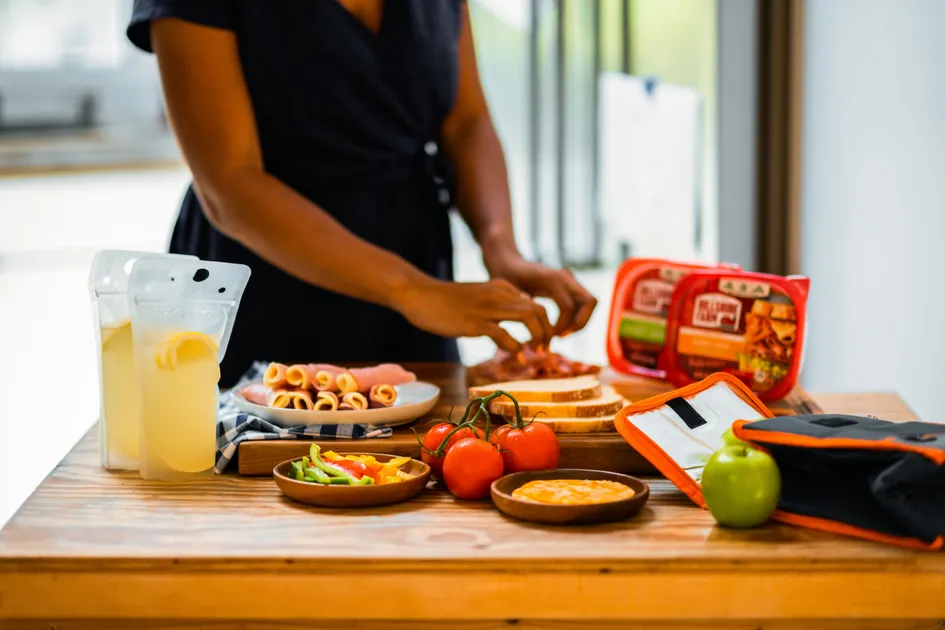
AI creator matching is the process of using algorithmic scoring, instead of manual research, to identify which influencers are the best fit for a specific brand, product, and campaign goal. For food and beverage CPG brands, "fit" isn't just follower count. It's whether a creator's content style, audience, and history actually line up with how your product gets used and where it gets bought.
Most brands still find this out the hard way. A marketing manager scrolls Instagram for an afternoon, bookmarks a dozen accounts that look promising, then discovers half of them already work with a competing brand, a third have audiences concentrated in cities with no distribution, and the rest post content that doesn't match the brand's tone at all. That's not a creator shortage problem. It's a matching problem.
The four things AI matching actually scores
Jupiter's optimizer evaluates every creator in the network against a campaign's targeting criteria using 12 distinct signals. Those signals group into four practical categories.
Taste and content fit
Does the creator's existing content match the campaign's category and tone? This looks at content interest alignment and hashtag relevance, so a brand launching a plant-based snack gets matched to creators who already make plant-based content, not creators who happen to have the right follower count but post exclusively about something unrelated.
Audience fit
Does the creator's actual audience resemble the brand's target customer? This covers demographic alignment and audience credibility, meaning the system also accounts for what percentage of a creator's followers are estimated to be real versus inflated by bots, which matters more in food and beverage than almost any other category since purchase intent depends on genuine engagement.
Operational fit
Is the creator active right now, and are they geographically useful? Posting recency and retailer proximity fall here. A creator who hasn't posted in four months, or who's based nowhere near a brand's key retail markets, gets filtered out or scored lower even if their profile looks strong on paper.
History fit
Has this creator worked with brands like yours before, and how did it go? Brand affinity draws on past collaboration history, matched against a brand's AI-generated category tags, so creators who've already proven they can sell plant-based or gluten-free products to a receptive audience rise to the top.
Filter 1,000+ vetted creators by what actually matters
Content fit, audience fit, and brand history, scored automatically instead of guessed at manually.
What manual matching misses
The DM-and-spreadsheet approach to creator sourcing has a structural blind spot: it can only evaluate what's visible on a profile. It can't easily tell you whether a creator's engagement is real, whether they've already been paid by a direct competitor last quarter, or whether their audience actually lives near the retailers carrying your product. Those are exactly the signals that predict whether a campaign converts to shelf sales, and they're the hardest ones to check by hand at any scale beyond a handful of creators.
This is also where budget gets wasted. A brand that manually selects ten creators based on follower count and gut feel might get lucky on two or three. An AI-matched selection is scored against the same criteria across the entire eligible pool before a single offer goes out, which means the shortlist starts from a stronger baseline instead of instinct.
From matching to campaign in one flow
Matching isn't useful in isolation. It has to connect directly into brief creation and budget allocation, or it's just a better list with nowhere to go. On Jupiter, once creators are scored and filtered, the same go-to-market workflow uses a budget-constrained allocation model to decide how much of the campaign budget each matched creator should receive, maximizing projected impressions within the available spend. A brand can describe a campaign in plain language, and the AI-assisted brief flow pulls matched creators in automatically rather than requiring a separate sourcing step.
Still building creator shortlists in spreadsheets?
See how automated matching replaces hours of manual research with a scored, ranked list.
Why this matters more for food and beverage specifically
Generic influencer platforms score creators on broad engagement and follower metrics because they serve every product category at once. Food and beverage has narrower, more specific fit requirements: recipe content style, retailer proximity for in-store campaigns, and audience purchase behavior at grocery specifically. A creator who's a great fit for a beauty brand's audience isn't automatically a great fit for a brand selling through Whole Foods or Kroger. Matching criteria built for the category catches that distinction; generic matching often doesn't.
How Jupiter handles this for food CPG brands
Jupiter's creator network is built exclusively around food and recipe creators on Instagram and TikTok, over 1,000 of them, so the matching signals are tuned to what predicts performance in this category specifically rather than borrowed from a general-purpose influencer tool. Every matched creator surfaces with avg views, estimated CPM, and engagement rate visible up front, so a brand manager can sanity-check the algorithmic match before committing budget. Brands like Banza and Pete & Gerry's build campaigns on top of this matched roster rather than starting sourcing from zero each time.
See which creators actually match your brand, in minutes
Jupiter scores 1,000+ food and recipe creators against your specific brand and audience.
FAQs
Quick answers to common questions.
What is AI creator matching?▼
AI creator matching uses algorithmic scoring across signals like content fit, audience alignment, and collaboration history to identify which influencers are the best fit for a specific brand and campaign, replacing manual profile-by-profile research.
How much does AI creator matching cost compared to manual sourcing?▼
Manual sourcing has a hidden cost in staff hours rather than a direct fee, since it requires someone to research and vet creators by hand. AI matching shifts that cost into software, typically reducing the time to build a shortlist from days to minutes.
Does AI creator matching guarantee a successful campaign?▼
No matching system guarantees results, but scoring creators against content fit, audience fit, and brand history before launch is designed to improve the odds compared to selection based on follower count alone.
Can AI creator matching detect fake followers?▼
Jupiter's matching incorporates audience credibility scoring, which estimates what percentage of a creator's followers are likely real versus inflated, as one input into the overall fit score.
Is AI creator matching only useful for large campaigns?▼
No. It's arguably more useful for smaller budgets, since a limited number of creator slots makes getting the match right on the first attempt more important.
How is food and beverage creator matching different from general influencer matching?▼
Food and beverage matching accounts for retailer proximity, recipe content style, and grocery purchase behavior, criteria that don't apply to most other product categories and aren't part of generic influencer matching tools.
More in Creator Selection & Pricing
More from Creator Selection & Pricing.