Product Seeding for Food CPG Brands: How to Turn Gifting Into Creator Content
Done wrong, product seeding is a shipping budget that produces nothing. Done right, it is the most cost-efficient content strategy available to a food CPG brand, and the starting point for your best long-term creator relationships.
Trusted by leading CPG brands









On this page
▼
- What Product Seeding Is and Is Not
- Why Product Seeding Works Specifically for Food Brands
- Taste reaction is authentic content
- Recipe discovery is naturally generative
- Food is inherently shareable
- The 4 Elements of a Food CPG Seeding Campaign
- Element 1: Product curation
- Element 2: Packaging and presentation
- Element 3: The seeding brief
- Element 4: The follow-up sequence
- How to Track Seeding ROI Without a Formal Paid Agreement
- Post rate
- Content quality score
- Estimated reach from organic posts
- Creator-to-paid conversion rate
- Converting Seeded Creators Into Paid Ambassadors
- The Seeding Campaign Checklist
- Pre-shipment
- During and post-shipment
- Conversion pipeline
- How Jupiter Handles Food CPG Product Seeding
Product seeding for food CPG brands is the practice of sending product to creators without a paid agreement or a required posting obligation, with the goal of generating authentic organic content, brand awareness in relevant creator communities, and a pool of proven creators who can be converted to paid partners based on their organic performance. It is not "free stuff in exchange for posts." That framing produces the wrong brief, the wrong expectations, and the wrong legal structure. Product seeding executed correctly is a structured content strategy with four operational components and a specific conversion pathway that connects organic gifting to paid ambassador relationships.
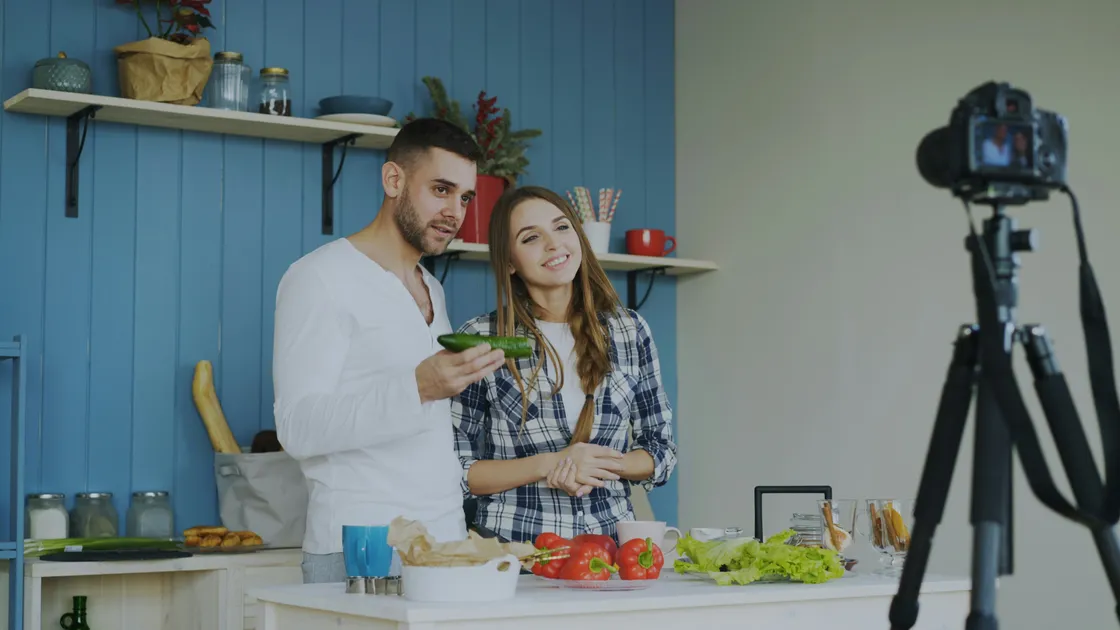
For food and beverage brands, product seeding has a structural advantage over any other campaign type: the sensory experience of tasting your product for the first time is inherently content-generative in a way that a software product, a clothing item, or a supplement is not. When a creator opens a shipment of your hot honey, drizzles it, tastes it on camera, and reacts genuinely, that is not content the brief produced. That is content the product produced. The brief's job in a seeding campaign is to increase the probability of that moment happening and being captured, not to script it.
What Product Seeding Is and Is Not
The distinction matters legally and operationally.
Product seeding is: Sending product to a creator with no contractual posting obligation, with the intent that they will post if they genuinely like it. The creator is not being paid. There is no deliverable. There is no deadline. The creator receives product as a gift.
Product seeding is not: A paid partnership disguised as a gift. Sending product with the implied expectation of a post, or briefing in a way that makes the creator feel obligated to post, crosses into a paid partnership under FTC guidelines, even if no money changes hands. A creator who posts about your product because they genuinely felt obligated to, based on how the seeding package was framed, is technically in a paid partnership that requires disclosure and is not generating the authentic content that makes organic seeding commercially valuable in the first place.
The operational implication: your seeding brief must explicitly state that posting is not required and that the product is a gift with no strings attached. This is not just a legal protection. It is the structural condition that makes the organic content authentic, because the creators who post are posting because they genuinely want to, not because they feel they have to.
When a creator does post organically, it typically needs an #gifted or #ad disclosure depending on the FTC's current guidelines, because the brand provided something of value. The brief should include this guidance even for non-required posts.
Why Product Seeding Works Specifically for Food Brands
Most product categories benefit from seeding in a general way: exposure, awareness, creator relationship building. Food has an additional mechanic that makes seeding disproportionately effective.
Taste reaction is authentic content
When a creator genuinely tastes your product for the first time and their reaction is real, that content cannot be replicated by a brief. A first-taste reaction video carries a credibility signal that every paid partnership post lacks, because the viewer watching can distinguish genuine surprise or pleasure from a rehearsed brand endorsement. This is the content that drives the highest comment-intent language ("where can I buy this," "I need to try this") and the highest save rates, because the creator's authentic response functions as social proof rather than advertising.
Recipe discovery is naturally generative
A food creator who receives your specialty vinegar and has never cooked with it before will cook with it in ways your marketing team would not have briefed. Those unexpected applications, the pasta dish nobody at the brand had thought of, the salad dressing that goes viral, are the content that converts most efficiently because it looks like creative discovery rather than product placement.
Food is inherently shareable
A clothing item can be seeded and never worn publicly. A software product can be gifted and never used in content. Food gets eaten, and eating is social media content in a way that few other product categories are. The consumption moment is the content moment.
The 4 Elements of a Food CPG Seeding Campaign
Element 1: Product curation
Select the specific SKUs to seed based on what will generate the most content-worthy experience, not what your most profitable product is. For a first seeding wave, choose products with strong sensory differentiation: distinctive flavor, unusual texture, surprising application potential, or strong unboxing visual. A neutral product with no remarkable qualities is a gift that produces nothing. A hot sauce with a distinctive heat profile, a specialty oil with a strong provenance story, or a snack with an unusual texture gets opened, tasted, and filmed because the experience warrants sharing.
Send enough product for the creator to cook with it meaningfully. One unit of a specialty vinegar is not enough to experiment with. Two to three units gives the creator the freedom to use it in multiple applications without rationing, and multi-use produces multi-content-moment opportunities.
Element 2: Packaging and presentation
The shipment is the first impression. A box that looks like a warehouse fulfillment is opened, noted, and set aside. A box that has been curated to feel like a considered gift gets photographed. For food seeding specifically, the unboxing moment is a content opportunity in itself if the packaging creates a reason to film it.
The elements that make food seeding packaging content-generative are: a handwritten or personally addressed note from the brand (not a generic card), a recipe suggestion card that gives the creator one specific application idea without scripting their content, and supporting pantry ingredients or tools that make immediate use easy. Sending your pasta sauce with a box of good pasta and a suggestion for one dish reduces the friction between receiving and using to near-zero. The creator who opens the box and has everything needed to cook that evening is the one who films it.
Element 3: The seeding brief
The seeding brief is shorter than a paid campaign brief and has a different purpose. Its job is to give the creator context, reduce friction to use, and explicitly remove the pressure to post, so that any content produced is genuinely organic.
A seeding brief for a food CPG brand should include: one paragraph of brand context (what the product is, what makes it interesting to cook with), one specific recipe application or usage suggestion, the specific retailers or Instacart availability if the creator wants to mention it, a clear statement that posting is not required and the product is a gift, disclosure guidance for if they do choose to post, and a direct contact at the brand for questions.
What it should not include: posting deadlines, deliverable counts, required hashtags, mandatory caption language, or any language that implies an obligation. These elements transform a gift into an unpaid job, which produces resentful non-posts or grudging posts that look exactly as obligated as they are.
Element 4: The follow-up sequence
Most seeding programs send the product and wait. Brands with effective seeding programs have a simple three-step follow-up sequence.
Step one: a confirmation message sent after the estimated delivery date, asking whether the shipment arrived safely. This is a logistics check, not a posting nudge, and creators receive it as genuine care about the delivery rather than as pressure to post.
Step two: if the creator posts organically, a genuine response from the brand acknowledging the post, not a templated "thanks for sharing." A real response from a real person at the brand builds the relationship that makes the creator receptive to a paid partnership conversation.
Step three: if the creator has not posted within 30 days, no follow-up requesting a post. The gift was a gift. Following up to ask where the post is converts the gift into an obligation retroactively and damages the relationship that the seeding was designed to build.

Jupiter's Creator Sampling campaign type manages food CPG seeding at scale
Creator selection with nano and micro tier filters, brief management, content tracking, and conversion to paid creator programs, built exclusively for food and beverage CPG brands.
How to Track Seeding ROI Without a Formal Paid Agreement
Seeding ROI cannot be measured the same way as a paid campaign ROI, because there are no agreed deliverables and no guaranteed posts. The metrics that matter for a seeding program are different from impressions, CPM, or Instacart cart adds.
Post rate
The percentage of seeded creators who post organically within 60 days. A seeding program with a 40% post rate is generating organic content from 40% of its recipient pool at product cost only. Track post rate by creator tier, product SKU, and shipment type to understand what combination drives the highest organic posting rate.
Content quality score
Among the creators who post, what percentage produced content that would be worth amplifying in paid media or using in brand-owned channels? This is a qualitative assessment, but it should be documented with a simple scoring framework: does the post mention the product authentically, does it feature the product in a compelling use scenario, and is the production quality sufficient for paid amplification? Content that passes all three criteria is an asset worth tracking.
Estimated reach from organic posts
Total estimated reach (aggregate follower counts of creators who posted, adjusted by average engagement rate) divided by total seeding cost, expressed as an effective CPM. This is imprecise but directionally useful for comparing seeding program efficiency against paid campaign benchmarks.
Creator-to-paid conversion rate
The percentage of seeded creators who are eventually converted to a paid campaign partner. This is the highest-value seeding metric because a paid creator relationship that starts from organic enthusiasm produces better content and better commercial outcomes than one that starts from a cold outreach.
Converting Seeded Creators Into Paid Ambassadors
The seeding-to-paid-partnership pipeline is the most underused element of food CPG creator programs and the most commercially valuable.
A creator who has already posted organically about your product has demonstrated three things simultaneously: they like the product enough to post without a fee, their audience responds to your product category positively, and they can produce content about your brand that looks authentic, because it is. These three signals are more valuable as creator selection inputs than any combination of follower count, engagement rate, or media kit metrics.
The conversion conversation should happen within two weeks of the organic post going live. The window when the creator is most enthusiastic about the product and the brand relationship is fresh is when the paid partnership conversation is most likely to succeed. The framing is not "we want you to be an influencer for us" but "we saw your post and loved what you made with it. We are planning a campaign around [specific product or season] and want to work with creators who already cook with our product."
The creator's rate in a paid partnership that follows organic seeding is typically below the rate they would charge a brand that approached them cold, for the same reason that ambassador program rates run below single-campaign rates: the brand relationship already exists, the creator is already familiar with the product, and the ongoing partnership has value to the creator beyond the per-post fee.
For brands building a nano and micro creator program where seeding is the entry point and paid partnerships are the conversion goal, the nano influencer marketing playbook covers the full program structure.
The Seeding Campaign Checklist
Use this before every seeding wave goes out.
Pre-shipment
SKUs selected for sensory differentiation, not just profitability
Quantity per creator sufficient for multi-use (2 to 3 units recommended)
Packaging includes a personalized note, recipe suggestion card, and supporting ingredients
Seeding brief written with explicit no-obligation language
Brief includes disclosure guidance for creators who choose to post
Creator list filtered for content interest alignment, geographic relevance, and credibility score above 70%
Delivery confirmation process set up (tracking number per creator)
During and post-shipment
Delivery confirmation follow-up scheduled for 5 to 7 days after estimated arrival
Brand team monitoring creator handles for organic posts (social listening or manual check)
Response protocol ready for when creators post (genuine, personal, not templated)
Content quality scoring framework in place to evaluate posts as they arrive
30-day post rate tracking set up (posts received vs creators seeded)
Conversion pipeline
High-performing organic posts flagged for potential paid partnership conversation
Paid partnership outreach drafted for top organic posters within 2 weeks of post
Rights conversation initiated for any posts worth repurposing in paid media
Managing seeding shipments over email and spreadsheets? There is a better way.
Jupiter's Creator Sampling campaign type handles creator selection, brief management, and content tracking for seeding programs across 1,000+ vetted food creators on Instagram and TikTok.
How Jupiter Handles Food CPG Product Seeding
Jupiter's Creator Sampling campaign type was built specifically for product-only creator programs where no creator fee is paid. It operates within the same campaign infrastructure as paid campaigns, applying the full 12-signal optimizer to creator selection, surfacing the same credibility scores, retailer proximity data, average view counts, and content interest filters, but with product cost rather than creator fee as the budget input.
The campaign creation workflow in Jupiter's go-to-market wizard supports seeding brief creation with CPG-specific fields including recipe concept, retail callout, and a no-obligation posting statement built into the brief template. Creators are selected from Jupiter's network of 1,000+ vetted food and recipe creators on Instagram and TikTok, filtered by nano and micro tier parameters, content interest specificity, and geographic proximity to your retail distribution.
When seeded creators post organically, Jupiter's campaign tracking surfaces actual vs. projected impressions and CPM across all posts in the program. The creator leaderboard identifies which seeded creators are delivering the highest organic reach and save rates, which are the inputs the paid partnership conversion conversation is built from. For the brands that convert top-performing seeded creators to ongoing relationships, Jupiter's ambassador program structure supports the transition from a one-time seeding shipment to a six-month ambassador commitment with a defined cadence and rate.
The full context on how to build a creator program that starts with seeding and scales through paid partnerships is covered in the food influencer marketing complete guide.
Product seeding that builds paid creator relationships, not just a shipping bill.
Jupiter's Creator Sampling campaign type manages seeding at scale, from creator selection and brief management to organic content tracking and ambassador conversion. Used by 58+ CPG brands including Banza, Pete & Gerry's, and Kettle & Fire.
FAQs
Quick answers to common questions.
What is product seeding for food CPG brands?▼
Product seeding for food CPG brands is the practice of sending product to content creators without a paid agreement or required posting obligation. The goal is to generate authentic organic content from creators who genuinely like the product, build relationships with creators who can be converted to paid partners after their organic posts go live, and produce brand awareness in relevant food creator communities at product cost only. Product seeding is legally distinct from a paid partnership: because no fee is paid and no post is required, the brand is giving a gift. Any resulting posts require disclosure as gifted content under FTC guidelines, but the content is organic and authentic in a way that paid content is not.
Do you have to pay creators for product seeding?▼
No. Product seeding is specifically a non-paid structure where the creator receives product in exchange for nothing except the possibility that they will post organically if they like it. No fee, no deliverable, no required posting. This is both the legal structure and the commercial strategy: the content generated by seeding is more authentic and more commercially effective than paid content precisely because the creators who post are posting because they want to. Brands that add implied obligations, required posting deadlines, or specific deliverable language to seeding programs are converting a gift into an unpaid job, which produces worse content and FTC compliance risk simultaneously.
How many products should you send per creator in a food seeding campaign?▼
For a food CPG seeding program, send enough product for the creator to use meaningfully rather than sparingly. For most food products, two to three units is the right quantity. One unit of a specialty condiment or pantry ingredient is not enough for a creator to experiment with different applications. Two to three units removes the rationing behavior that limits how much the creator uses the product before running out, and multi-use produces more content opportunities. Including supporting ingredients or simple recipe tools that make immediate use easy (a good pasta to pair with your sauce, a wooden spoon with a specialty oil) reduces the friction between receiving and using.
Is product seeding worth it for food CPG brands?▼
Yes, for brands that execute it with the right four components: curated product selection with strong sensory differentiation, packaging that creates an unboxing content moment, a brief that is clear on direction and explicit that posting is not required, and a follow-up sequence that builds the relationship without nudging for posts. The most cost-efficient content a food CPG brand can generate comes from seeding programs where 30 to 50 nano creators receive product at a total cost of $500 to $1,500 and 40% or more post organically. The effective CPM on organic posts from a well-run seeding program consistently outperforms any paid creator channel at equivalent budget levels. The additional value of identifying creators who convert to paid ambassadors compounds the return significantly.
How do you track the ROI of a product seeding campaign?▼
Seeding ROI is tracked through four metrics. Post rate: the percentage of seeded creators who post organically within 60 days. Content quality: the percentage of organic posts producing content worth amplifying in paid media or brand channels. Estimated organic reach: aggregate creator reach from organic posts adjusted by engagement rate, divided by total seeding cost to produce an effective CPM. Creator conversion rate: the percentage of seeded creators eventually converted to paid campaign partners. Because there are no agreed deliverables, standard campaign ROI metrics (impressions per dollar, CPM against projection) apply only to the posts that do occur, not as a baseline expectation for all seeded creators.
How do you convert seeded creators into paid ambassadors?▼
The conversion from organic seeding to paid partnership should happen within two weeks of the organic post going live, when the creator's enthusiasm and the brand relationship are freshest. The outreach should reference the specific post and what the brand found compelling about it, name a specific upcoming campaign or seasonal moment the brand wants to work on, and frame the conversation as an invitation rather than a recruitment pitch. A creator who has already posted organically about your product will typically accept a paid partnership rate below what they would charge a cold-outreach brand, because the relationship and product familiarity already exist.
More in Campaign Types & Programs
More from Campaign Types & Programs.