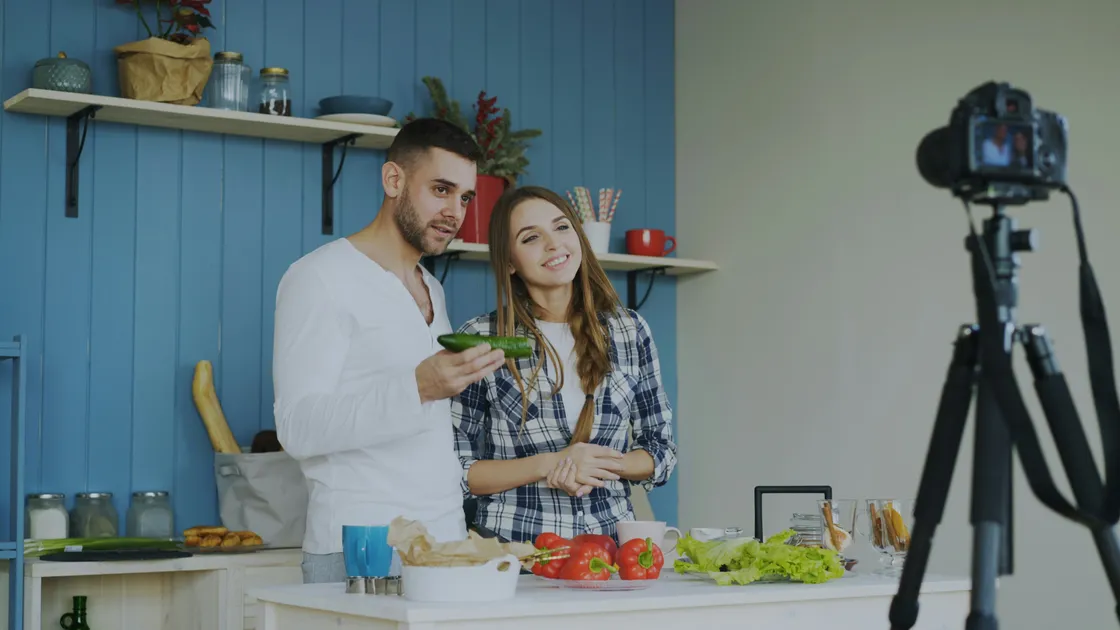
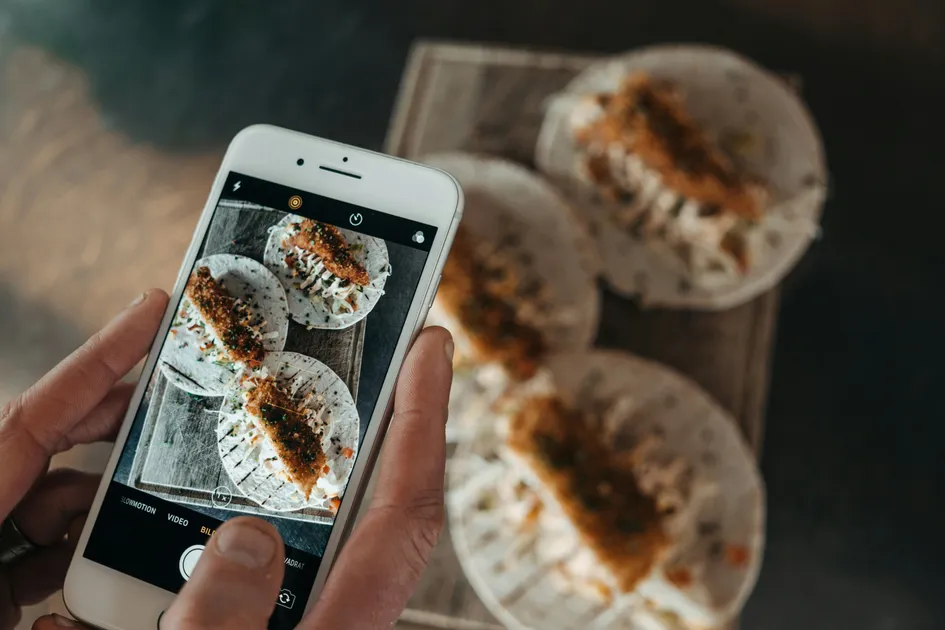
Why Behind-the-Scenes Content Builds More Trust Than Polished Ads
Polished ads tell people a product is good. Origin and process content lets them see why. Here's how food brands brief creators for authentic storytelling.
Trusted by leading CPG brands









Origin storytelling is content that shows how a food product is actually made, sourced, or brought to market, rather than presenting the finished product in a polished, produced format. For food and beverage CPG brands, this kind of content tends to build more consumer trust than traditional advertising, because it shows rather than claims.
This isn't a new insight in food marketing broadly, but it's an underused one in influencer campaigns specifically. Most brand briefs ask creators to feature the finished product in a recipe or lifestyle setting. Fewer ask creators to show the ingredient sourcing, the small-batch production process, or the founder's actual reasoning behind a product decision. That gap is where a lot of unclaimed trust sits.
Why unpolished process content outperforms produced ads
A polished ad is optimized to look appealing. A behind-the-scenes clip is optimized to look real, and for food products specifically, "real" carries more weight with consumers who are increasingly skeptical of produced advertising claims. Seeing an actual ingredient list get measured out, an actual small-batch process happen, or an actual founder explain a sourcing decision does something a finished-product shot can't: it lets the viewer verify the claim instead of just hearing it.
This matters more in food and beverage than in most categories because ingredient quality and sourcing are exactly the claims consumers are most skeptical of by default. "Made with real ingredients" printed on packaging is a claim. A creator filming the actual ingredients going into a batch is closer to evidence.
How to brief creators for this without overproducing it
The instinct when briefing origin content is to over-direct it, storyboard the shot, script the voiceover, treat it like a commercial. That defeats the purpose. Origin content works because it reads as unscripted, even when it's intentionally requested.
A better approach is to brief the direction, not the execution. Existing brand brief fields already support this without requiring a new content category: lifestyle setting establishes where the content happens (a working kitchen, not a studio), usage scenarios establish what's actually being shown (the product in genuine use, not staged), and taste experience points give the creator something concrete and specific to react to on camera, rather than a generic scripted line. A brief that says "show the sourcing story for our olive oil" and lets the creator find their own way to shoot it will generally outperform a brief that specifies every shot.

Brief creators for authentic, not overproduced, content
Jupiter's brief fields cover lifestyle setting and usage scenarios, built for genuine, on-location content.
What this looks like for different types of food brands
For a specialty ingredient brand, origin content might mean a creator visiting or referencing where the ingredient comes from and why the sourcing decision matters, connecting a claim on the label to something the viewer can see. For a small-batch producer, it might mean showing the actual production scale, the kind of detail that a large, anonymous supply chain can't offer and that consumers increasingly value as a point of differentiation. For a founder-led brand, it might mean the founder appearing directly in creator content explaining a specific product decision, borrowing the creator's platform and audience trust rather than posting the same message from the brand's own account.
None of these require new production capability from the brand. They require briefing creators to show something true and specific, instead of asking them to perform a scripted pitch.
Where this fits into an existing content strategy
Origin storytelling isn't a replacement for recipe or lifestyle content, it's a complement to it. A brand running recipe-focused campaigns to drive immediate purchase intent and origin-focused content to build longer-term trust is using creator content for two different jobs. The recipe content answers "why should I buy this today," and the origin content answers "why should I trust this brand at all," a question that matters more the first time a consumer encounters a brand than the tenth.
Want creator content that builds trust, not just reach?
See how brief structure shapes whether content reads as authentic or produced.
How Jupiter handles this for food CPG brands
Jupiter's Brand Briefs library includes the fields needed to direct origin and process-style content without over-scripting it, lifestyle setting, usage scenarios, and taste experience points, alongside the standard recipe and product-focused fields. A brand can save an origin-focused brief as a reusable template distinct from its recipe-focused briefs, and select it directly when launching a campaign through go-to-market. This runs through the same creator matching and content review process as any other campaign type, so origin content still goes through approval before it posts publicly.
Build a creator brief that shows, not just tells
Jupiter's brief fields are built to direct authentic, on-location content from real creators.
FAQs
Quick answers to common questions.
What is origin storytelling in food marketing?▼
Origin storytelling is content that shows how a product is made, sourced, or brought to market, rather than presenting only the finished product, with the goal of building consumer trust through visibility into the process.
Why does behind-the-scenes content perform better than polished ads for food brands?▼
Consumers are generally more skeptical of produced advertising claims than of content that appears unscripted and verifiable. Showing an actual process lets a viewer confirm a claim rather than simply hearing it.
How do you brief a creator for authentic origin content without it looking staged?▼
Brief the direction rather than the exact execution, specify the setting and the general scenario, and let the creator find their own way to shoot and narrate it, rather than scripting every shot and line.
Does origin content replace recipe or lifestyle influencer content?▼
No, it complements it. Recipe and lifestyle content typically drives immediate purchase intent, while origin content builds longer-term brand trust, and most brands benefit from running both.
What kind of food brands benefit most from origin storytelling?▼
Specialty ingredient brands, small-batch producers, and founder-led brands tend to have the most differentiated origin stories, since sourcing, production scale, and founder motivation are all concrete, specific things a creator can show.
Does origin content still need to go through content approval?▼
Yes. Origin-focused content goes through the same review process as any other creator content when review is enabled for a campaign, regardless of how unscripted it appears on camera.
More in Campaign Types & Programs
More from Campaign Types & Programs.