Retail Media and Influencer Marketing: How CPG Brands Connect the Two
Retail media and influencer marketing have been running as separate budget lines for most CPG brands. The brands closing the gap are connecting creator content directly to Instacart cart adds, retailer landing pages, and measurable sales lift. This guide covers how they do it.
Trusted by leading CPG brands













On this page
▼
- The Retail Media Landscape CPG Brands Are Actually Working With
- What a Connected Strategy Actually Looks Like
- Retailer Targeting in Creator Campaign Briefs
- Shopper Marketing and Influencer Marketing Are Converging
- The Measurement Framework That Makes Both Channels Accountable
- Creator-level attribution
- Retailer-region lift
- Share of voice movement
- What Food and Beverage Marketing Gets Wrong About Retail Media Integration
- How Jupiter Connects Influencer Marketing to Retail Outcomes for CPG Brands
Retail media is advertising purchased within a retailer's own ecosystem: sponsored product listings on Instacart, banner placements on Kroger's website, promoted search on Amazon Fresh. Influencer marketing is creator-generated content on Instagram and TikTok designed to drive awareness and consideration. For most food and beverage CPG brands, these two spend categories have separate budgets, separate teams, and separate measurement frameworks.
That separation is becoming expensive. When a creator posts a recipe using your product and that post reaches 400,000 people, some meaningful percentage of those viewers will search for the product on Instacart or at a retailer within the next 48 hours. If your retail media isn't capturing that intent, you're paying for awareness that doesn't convert. And if your influencer program isn't structured to drive that intent in the first place, you're generating impressions without purchase signals.
The CPG brands growing fastest in this environment have figured out that retail media and influencer marketing are not separate channels. They are two phases of the same purchase journey.
The Retail Media Landscape CPG Brands Are Actually Working With
Retail media networks have expanded rapidly. Instacart Ads, Kroger Precision Marketing, Walmart Connect, Target Roundel, and Amazon DSP all offer CPG brands the ability to buy sponsored placements inside the retailer's own digital environment, where purchase intent is highest. A shopper already on Instacart looking at eggs is a fundamentally different audience than someone scrolling TikTok. Retail media reaches buyers at the moment of decision.
The limitation of retail media alone is reach. Sponsored placements on Instacart capture in-market shoppers, but they don't build the brand awareness that puts a product on a shopper's mental shortlist before they open the app. A first-time buyer can't search for a product they've never heard of. That's where influencer content does work that retail media cannot: building familiarity, demonstrating a product in real cooking contexts, and generating the initial consideration that makes a shopper receptive to a retail media placement later.
The two channels work sequentially. Creator content builds awareness and consideration at scale. Retail media captures the purchase intent that awareness generates. Running them independently means the first channel is funding demand that the second channel doesn't see.
What a Connected Strategy Actually Looks Like
Connecting retail media and influencer marketing requires solving a specific attribution problem: how do you know which creator post drove which Instacart cart add or retail page visit?
Generic influencer marketing platforms don't solve this. They track impressions, engagement rates, and follower counts. They don't close the loop to purchase.
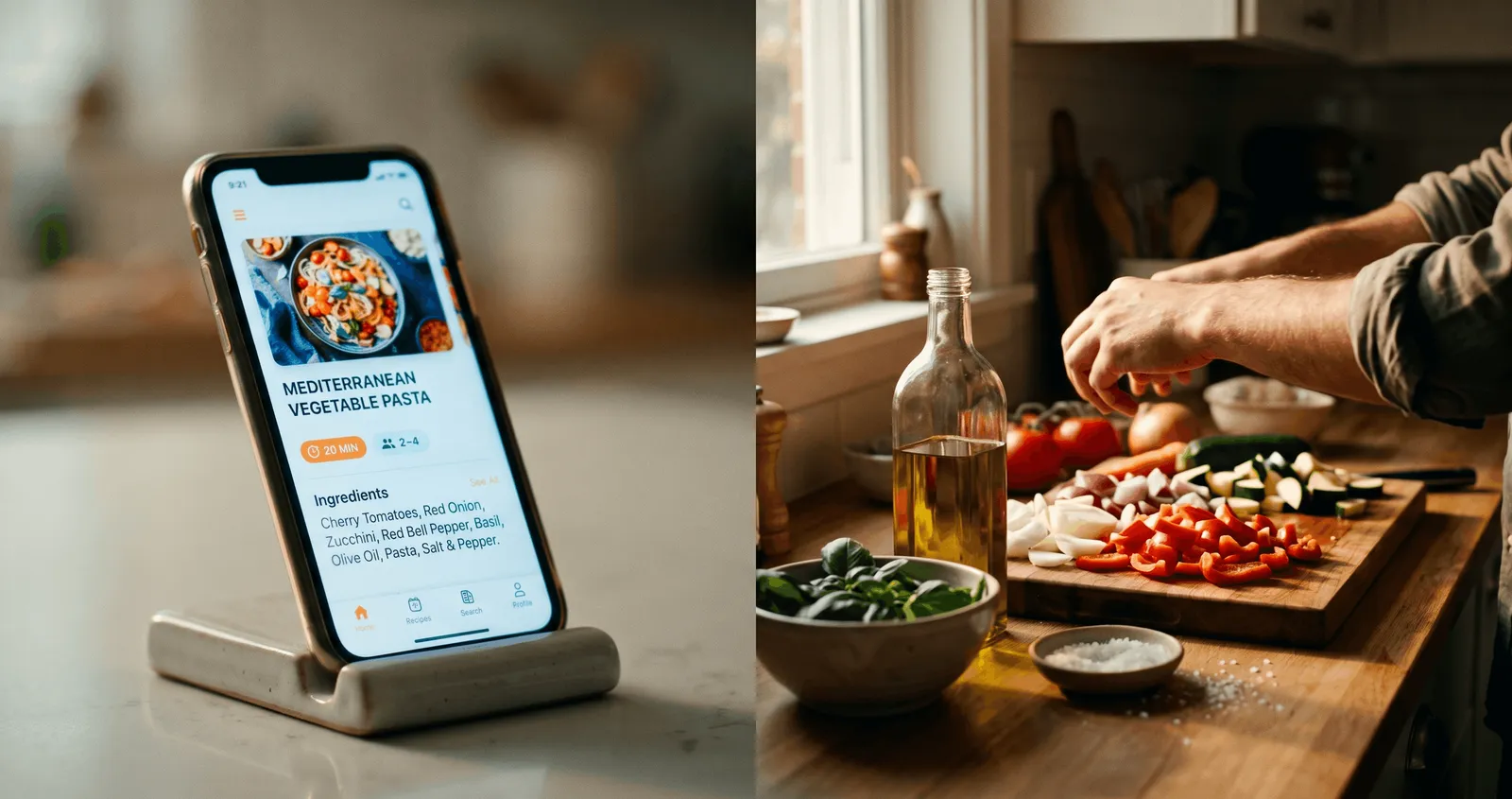
The mechanism that closes the loop for Instacart is comment-triggered attribution. When a creator posts a recipe using a CPG brand's product, they invite viewers to comment with a specific keyword. That comment automatically triggers a DM to the viewer containing a unique shoppable Instacart link tied to that specific creator and post. When the viewer clicks through and adds the product to their cart, the cart add is attributed back to the creator post that drove it.
This mechanic does three things simultaneously. It converts social engagement into retail intent in the same interaction. It creates a unique attribution path per creator, so you can see exactly which posts are driving cart adds versus which ones are generating impressions without conversion. And it gives the shopper a frictionless path from the content to the product in their cart, with no search required.
One Instagram Reel using this mechanic generated 6.5 million views and over 1,000 Instacart cart adds. That's a measurable retail outcome tied to a specific piece of creator content, reported at the post level. That's the data that makes the case for influencer budget to a finance team, and that's the signal that tells a retail media team where to place Instacart sponsored listings to support the creator-driven demand.
Retailer Targeting in Creator Campaign Briefs
The other connection point between retail media and influencer marketing is geographic retailer targeting in creator selection. A CPG brand running a product launch at Whole Foods needs creators whose audiences are concentrated near Whole Foods locations, not creators with large national followings whose audiences mostly shop at Walmart or Kroger.
This is a common failure mode in CPG influencer campaigns. A brand pays for a creator with 800,000 followers, generates strong impression numbers, and sees no measurable lift at the retailer. The creator's audience is real and engaged, but they shop at different retailers than the brand's launch footprint covers.
Retailer proximity is one of the 12 signals in Jupiter's campaign optimizer. When a brand targets a specific retailer in a campaign, the optimizer weights creators whose audience concentration overlaps with that retailer's geographic footprint. A Whole Foods campaign selects differently than a Kroger campaign or an Instacart-first campaign. The creator roster is shaped by where the brand actually sells.
This makes influencer content a genuine complement to retail media spend. If the retailer targeting in your creator brief matches the geographic focus of your Kroger or Instacart sponsored placements, the two channels are working the same shopper market at different stages of the funnel.

Creator Campaigns Built for Retail, Not Just Reach
Jupiter's campaign optimizer targets creators by retailer proximity and audience geography, so your influencer spend reaches shoppers who can actually buy at your retail accounts.
Shopper Marketing and Influencer Marketing Are Converging
Shopper marketing has traditionally been the budget category that funds in-store programs: endcap displays, floor graphics, circular placements, loyalty card promotions. It's trade marketing applied at the point of purchase. As retail moves increasingly online and as Instacart becomes a primary shopping channel for many CPG consumers, shopper marketing budgets are following that shift.
The convergence point is this: an Instacart creator campaign that drives cart adds through comment-triggered attribution is simultaneously an influencer marketing program and a shopper marketing program. It's generating awareness on social and converting it to purchase at the retailer. It belongs in both budget conversations.
CPG brands that have figured this out are structuring creator campaigns as shopper marketing programs. The brief specifies the retailer. The creator selection is retailer-proximity-weighted. The attribution mechanic closes to the retailer's purchase environment. And the performance reporting shows both impressions and cart adds, giving the shopper marketing team and the brand team data they can each use.
This framing also unlocks trade dollars. When influencer campaign ROI is reported in retail-relevant terms (cart adds, attributed product views, retailer-region engagement lift), it becomes a legitimate candidate for shopper marketing budget, not just the brand marketing line.
The Measurement Framework That Makes Both Channels Accountable
The practical reason retail media and influencer marketing stay in separate silos is measurement. Retail media has clean attribution: sponsored placements generate impressions, clicks, add-to-cart events, and purchases that the retailer's platform tracks directly. Influencer marketing has historically had soft attribution: impressions, engagement rates, and estimated reach, with a long, untracked gap between a creator post and any retail action.
Closing that gap requires three measurement layers running simultaneously.
Creator-level attribution
Each creator in an Instacart-linked campaign has a unique link tied to their content. Cart adds roll up to the creator, then to the campaign. You can see which creators are driving purchase intent versus which ones are generating engagement without conversion.
Retailer-region lift
If 60% of your creator roster is concentrated near Whole Foods locations in the Northeast and you're running a simultaneous Whole Foods retail media campaign in those markets, you can model whether creator-driven social activity preceded increases in Instacart or retail POS scan lift in those markets.
Share of voice movement
Running retail media and creator campaigns simultaneously in a category should produce measurable SOV gains against competitors. If you're spending on both channels and your SOV percentage isn't moving, either the competitive set is outspending you or the two channels aren't reinforcing each other. Jupiter's share of voice tracking surfaces this in the same platform as the campaign data, so the signal is visible without building a separate reporting layer.
These three layers together give CPG brand teams and shopper marketing teams a measurement framework that can justify both budget lines to leadership using the same data.
Running Influencer Campaigns Without Seeing the Retail Lift?
If your creator spend and your retail media spend aren't talking to each other, you're funding two separate funnels. Jupiter connects creator content directly to Instacart cart adds.
What Food and Beverage Marketing Gets Wrong About Retail Media Integration
The most common mistake is treating retail media as the conversion channel and influencer marketing as the awareness channel, then running them on completely separate timelines.
A creator campaign launches in February. The influencer content runs for six weeks and generates strong impression numbers. Then in April, the retail media team launches Instacart sponsored placements for the same product. The timing gap means the creator-generated awareness has largely dissipated before the retail media is in market to capture it. The two channels ran sequentially when they needed to run simultaneously.
The second mistake is brief-agnostic creator selection. Picking creators based on follower count and engagement rate without specifying the retailer means the campaign optimizes for platform performance, not retail performance. A creator whose audience is concentrated in markets where your product doesn't have distribution is generating waste, not reach.
The third mistake is reporting influencer campaigns only in social metrics. Impressions and engagement rates don't appear in the retail media team's KPI dashboard. Cart adds and attributed product views do. If influencer campaigns can't report in retail-relevant terms, they stay in a separate budget conversation with a separate accountability framework, and the integration never happens.
How Jupiter Connects Influencer Marketing to Retail Outcomes for CPG Brands
Jupiter is built for food and beverage CPG brands selling through grocery retail and Instacart, which means the retail connection is structural, not an add-on.
The campaign optimizer runs a 12-signal scoring model that includes retailer proximity as one of its core variables. When a brand specifies Whole Foods, Kroger, Instacart, or another retailer in the campaign targeting, creator selection is weighted by audience geography relative to that retailer's footprint. The creator roster that comes out of optimization is matched to the retail market the brand is actually investing in.
The Instacart attribution mechanic is embedded in the campaign workflow. When a campaign is structured for Instacart conversion, creators are briefed with the comment-trigger mechanic, unique shoppable links are generated per creator and per post, and cart adds flow back into the campaign analytics. The influencer marketing analytics dashboard shows estimated versus actual impressions at the campaign level alongside creator-level attribution, so the performance picture is complete from a single view.
The AI marketing agent gives marketing and shopper marketing teams a 20-tool interface for pulling campaign data, comparing creator performance across retailer-targeted campaigns, and identifying which creators delivered the strongest cart add rates. That data goes directly into budget allocation decisions for the next campaign cycle.
Used by 58+ food and beverage CPG brands including Pete & Gerry's, Kettle & Fire, and Banza, Jupiter is one of Instacart's fastest-growing affiliate partners. The brands using it aren't running influencer marketing alongside retail media. They're running one integrated program that generates measurable outcomes in both the social and retail environments simultaneously.
Jupiter Connects Your Creator Campaigns to Instacart Sales
Used by 58+ food CPG brands including Pete & Gerry's, Banza, and Kettle & Fire. Book a demo to see how retailer-targeted creator campaigns and Instacart attribution work in practice.
FAQs
Quick answers to common questions.
What is retail media in CPG advertising?▼
Retail media is advertising purchased within a retailer's own digital ecosystem, including sponsored product listings on Instacart, promoted search on Kroger's website, and banner placements on Walmart Connect. It reaches shoppers with active purchase intent inside the retailer's environment. For CPG brands, retail media is most effective when combined with upstream influencer marketing that builds awareness before a shopper enters the retailer's platform.
How do CPG brands connect influencer marketing to retail media performance?▼
The primary connection mechanism is post-level attribution that ties creator content to retail purchase actions. On Instacart, this works through a comment-triggered DM mechanic: a viewer comments on a creator's post with a specific keyword and automatically receives a unique shoppable Instacart link. Cart adds from that link are attributed back to the creator and post. This creates a measurable chain from creator content to retail conversion that can be reported alongside retail media performance.
What is shopper marketing, and how does it relate to influencer campaigns?▼
Shopper marketing covers advertising and promotional programs designed to influence purchase decisions at the point of sale, including in-store displays, loyalty promotions, and digital retail placements. As Instacart and retailer apps become primary shopping environments, influencer campaigns structured to drive Instacart cart adds are functioning as shopper marketing programs, generating awareness on social and converting it to purchase at the retailer. CPG brands that report influencer performance in retail-relevant terms (cart adds, product views) can access shopper marketing budget for creator programs.
Why do retail media and influencer marketing often fail when run separately?▼
Running the channels on separate timelines is the most common failure mode. Creator-generated awareness dissipates within weeks of a campaign. If retail media placements launch after influencer content has already run, the retail media is no longer capturing creator-generated demand. The second failure mode is brief-agnostic creator selection: choosing creators based on follower count without specifying retailer geography means the creator's audience may not shop where the brand actually sells.
How does retailer targeting work in a CPG influencer campaign?▼
Retailer targeting means selecting creators whose audiences are geographically concentrated near the campaign's target retailer locations. A product launching at Whole Foods in the Northeast needs creators with audience concentration in those markets, not creators with large national followings spread across retail footprints that don't overlap with Whole Foods. Platforms like Jupiter include retailer proximity as one of 12 signals in the campaign optimizer, shaping the creator roster based on where the brand sells.
What metrics connect influencer marketing to food and beverage marketing ROI?▼
The metrics that connect influencer and retail performance are: Instacart cart adds attributed by creator and post, retailer-region engagement lift (social activity correlated with retail market performance), share of voice movement against direct competitors during campaign periods, and estimated versus actual impressions compared to CPM efficiency. Together these give CPG brand teams and shopper marketing teams a shared measurement framework that makes both budget lines accountable in the same reporting cycle.
More in Creator Commerce & Retail Media
More from Creator Commerce & Retail Media.