CPG Advertising in 2026: Creator vs. Traditional Media
The shift from traditional CPG advertising to creator marketing is structural, not tactical. It has been building since 2019 and it accelerated through 2026. Here is what the data shows, what creator delivers that TV cannot, and what an honest modern CPG media mix actually looks like.
Trusted by leading CPG brands













On this page
▼
- The CPG Media Mix: What the Data Shows for 2019 vs 2026
- Why TV, Display, and FSIs Are Losing Ground With Grocery Shoppers
- Television
- Free-standing inserts
- Display advertising
- What Creator Marketing Delivers That Traditional Media Cannot
- Trust signals that convert at the shelf
- Search lift that compounds over time
- Retail velocity attribution
- The Categories Where the Shift Is Fastest
- Better-for-you and functional foods
- Ethnic and specialty foods
- Premium beverage
- The Cost Comparison: TV Spot vs. Creator Campaign
- Why Brands Stay on Traditional Media When Creator Outperforms
- What a Modern CPG Media Mix Looks Like
CPG advertising in 2026 looks structurally different from CPG advertising in 2019. The shift is not a TikTok moment or a pandemic-era adjustment that is reverting to the mean. It is a durable reallocation driven by three converging forces: a grocery shopper whose media consumption has moved to platforms where creator content dominates, a measurement environment where traditional media's impact on retail velocity is increasingly difficult to prove, and a creator marketing infrastructure that has matured to the point where food CPG brands can project CPM before spend and attribute results to individual posts.
The brands winning on grocery shelves in 2026 have accepted this reality and rebuilt their media mix accordingly. The brands still allocating the majority of their marketing spend to TV, FSIs, and display advertising are frequently doing so not because the data supports it but because organizational inertia is more powerful than any individual media plan review.
This guide covers what the CPG media mix shift actually looks like in data, what creator marketing delivers that traditional media cannot replicate, the categories where the shift is fastest, and what an honest modern CPG media mix looks like.
The CPG Media Mix: What the Data Shows for 2019 vs 2026
In 2019, the typical mid-size food CPG brand's marketing mix weighted heavily toward television for awareness, free-standing inserts (FSIs) in Sunday newspapers for trial promotion, and trade spend to fund retailer promotions. Digital advertising was present but supplementary, and creator marketing was an experiment rather than a line item.
By 2026, the structure has inverted for the most growth-oriented brands. CPG advertising is approximately 50% digital, still below the broader advertising market where digital accounts for 75% of all spend, indicating that the shift still has room to run. CPG digital ad spend reached nearly $49 billion in 2024, making the category the second-largest digital advertiser in the US behind retail.
The signal from the largest CPG companies is directional. Unilever has committed to shifting half of its digital media spend to social and working with 20 times as many influencers as it was previously. Unilever's food portfolio includes Frank's RedHot, Hellmann's, and Knorr, which are mainstream grocery brands, not niche DTC plays. When a company managing brands at that scale moves 20x on influencer investment, it is not a trend. It is a structural reallocation.
A 2026 report from 5W's Consumer Brands Practice, drawing on eMarketer and IAB data, characterizes the shift as structural rather than tactical, noting that the creator feed has displaced the paid social feed as the primary first touch in CPG discovery. The implications for a food CPG brand building its media plan are significant: if creator content is where consumers are first discovering products in your category, and your brand is not in that channel, you are not competing in the discovery phase of the purchase journey.
Why TV, Display, and FSIs Are Losing Ground With Grocery Shoppers
The 25 to 44 year-old primary household grocery buyer, the consumer who makes the majority of food CPG purchase decisions, has changed their media consumption fundamentally since 2019. They are streaming rather than watching live television. They are saving recipes on Instagram and searching TikTok for dinner ideas before they are seeing your FSI insert in a Sunday newspaper. The channels that historically drove CPG trial and awareness are either declining in reach, declining in attention, or both.
Television
Linear TV viewership among 25 to 44 year-olds has declined materially, and the streaming environment has fractured ad-supported audiences across a large number of platforms, each requiring separate negotiation, creative adaptation, and measurement methodology. The reach that a network TV buy delivered in 2005 is no longer available at any price. For food CPG brands, the additional problem is attribution: TV advertising cannot tell you whether a viewer who saw your spot added your product to their Instacart cart or picked it up at Kroger. The impression is real. The grocery conversion signal is absent.
Free-standing inserts
Sunday newspaper circulation has declined by more than half over the past decade. The FSI, historically a primary driver of trial for new CPG products at grocery, reaches a fraction of the audience it reached in 2015, and the audience it does reach skews older than the primary household grocery buyer cohort that most growing food brands are targeting. The mechanics of FSI redemption, requiring a consumer to clip a coupon and present it at a cashier, introduce friction that the Instacart add-to-cart or click-to-buy environment eliminates entirely.
Display advertising
Digital display for CPG suffers from the same measurement problem as TV, compounded by ad blocking, viewability issues, and the challenge of connecting an impression served on a desktop browser to a purchase made at a grocery store. Food and beverage marketers now allocate 70 to 75% of their digital budgets to commerce media, reaching consumers who are actively building carts on Instacart or Amazon Fresh, because that is where high-intent shoppers convert. Display advertising above the purchase funnel produces awareness data, not grocery velocity data, and the correlation between the two has never been easy to prove for grocery-distributed brands.
What Creator Marketing Delivers That Traditional Media Cannot
Three specific outcomes separate creator marketing from traditional CPG advertising for food brands selling through grocery retail.
Trust signals that convert at the shelf
Consumers trust creators more than ads. This is not a preference statement. It is a behavioral signal that shows up in how consumers act on the two content types differently. A television ad for a pasta sauce generates brand awareness in the viewer. A recipe creator making that pasta sauce in her home kitchen, with a first-taste reaction and a caption that says "you can find this at Whole Foods," generates brand familiarity plus a purchase direction plus a social proof signal that the viewer's trust relationship with the creator extends to the product recommendation. These are different commercial outcomes, not just different aesthetic experiences.
Search lift that compounds over time
Creator content on TikTok and Instagram is searchable and has a shelf life that a TV spot does not. A recipe video posted in November continues generating views and TikTok search results for your product in February, April, and the following November when the same dish comes back into seasonal relevance. The compounding nature of creator content on algorithmic platforms means that a food CPG brand investing consistently in creator marketing is building a body of searchable, discoverable content that functions like SEO for the grocery purchase decision.
Retail velocity attribution
Jupiter's comment-to-cart mechanic connects a creator post directly to an Instacart shopping list add, traced back to the specific creator and post that generated it. A single Instagram Reel running this mechanic drove 6.5 million views and more than 1,000 Instacart cart adds for a Jupiter brand partner. A television spot cannot produce that attribution. An FSI cannot produce that attribution. Creator marketing, run with the right attribution infrastructure, can show a CPG marketing team and their retail buyer exactly which content drove purchase intent and how much.

Jupiter connects creator content to grocery sales in a way TV advertising never could
Jupiter connects creator content to grocery sales in a way TV advertising never could
The Categories Where the Shift Is Fastest
The CPG categories where creator marketing is most rapidly displacing traditional media investment share three characteristics: the purchase decision is influenced by social discovery rather than habitual repurchase, the product has visual appeal or strong sensory differentiation, and the target consumer skews younger than the average FSI or linear TV audience.
Better-for-you and functional foods
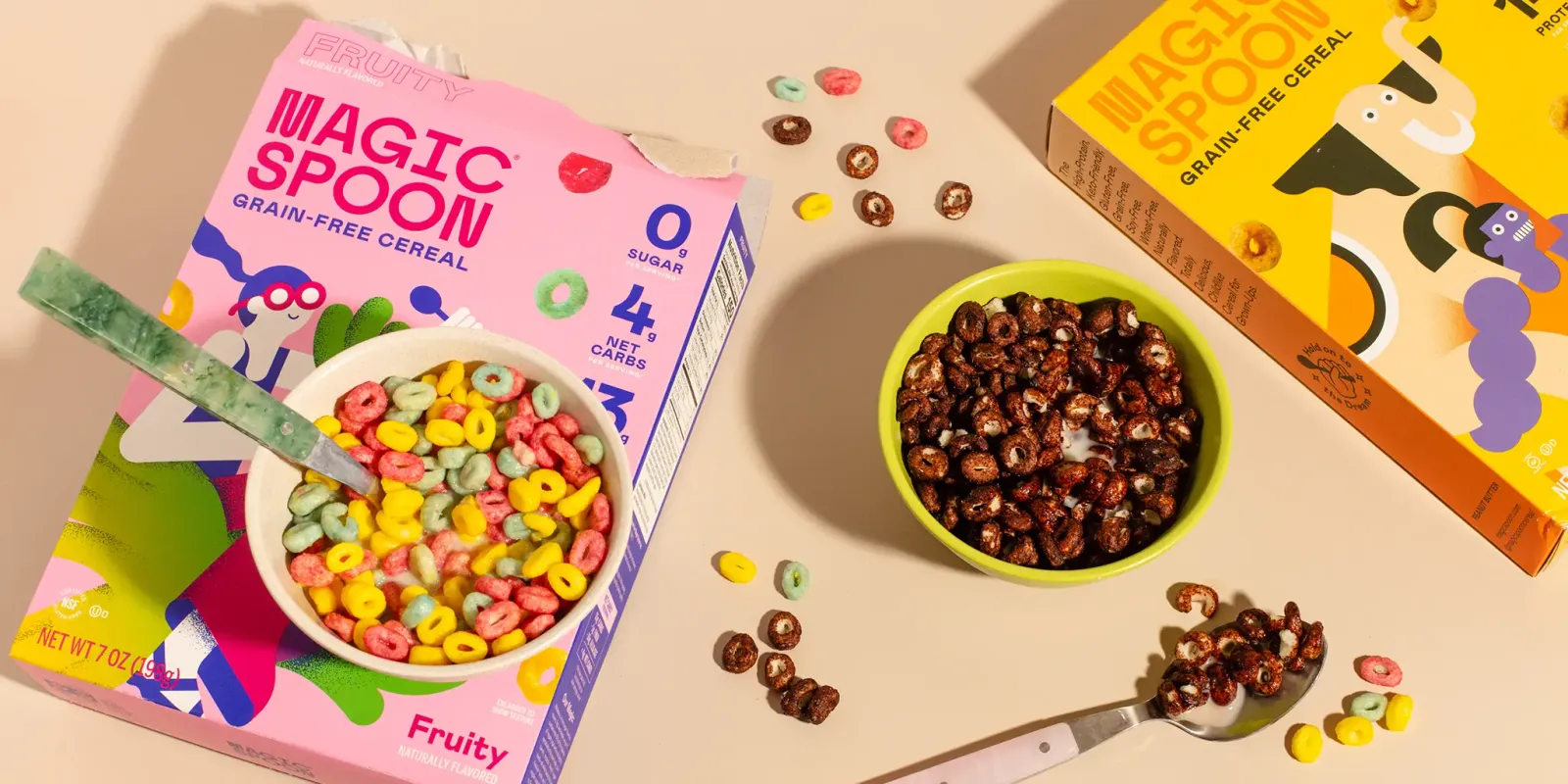
Brands in the high-protein, gut health, adaptogen, and clean-ingredient categories are discovering that their target consumer finds products primarily through TikTok and Instagram search rather than through TV advertising. Functional nutrition categories like fiber and gut health are driving shopper choice, and the discovery path for these products runs overwhelmingly through creator content and social search, not through traditional advertising channels.
Ethnic and specialty foods
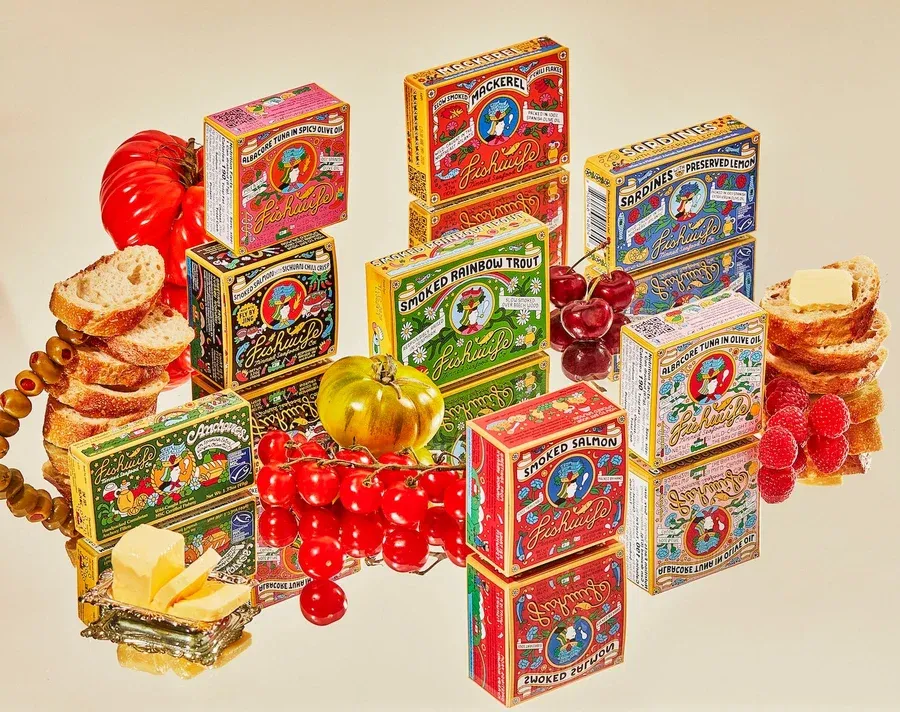
Specialty condiments, globally-inspired simmer sauces, and artisan pantry products have limited traditional media budgets and high visual content potential. Creator content from food-specific creators who cook authentically with these products reaches their most likely buyers more efficiently than any broad-audience traditional media placement. The recipe context that creator content provides is also commercially essential for products whose usage is not immediately obvious to a mainstream grocery shopper.
Premium beverage
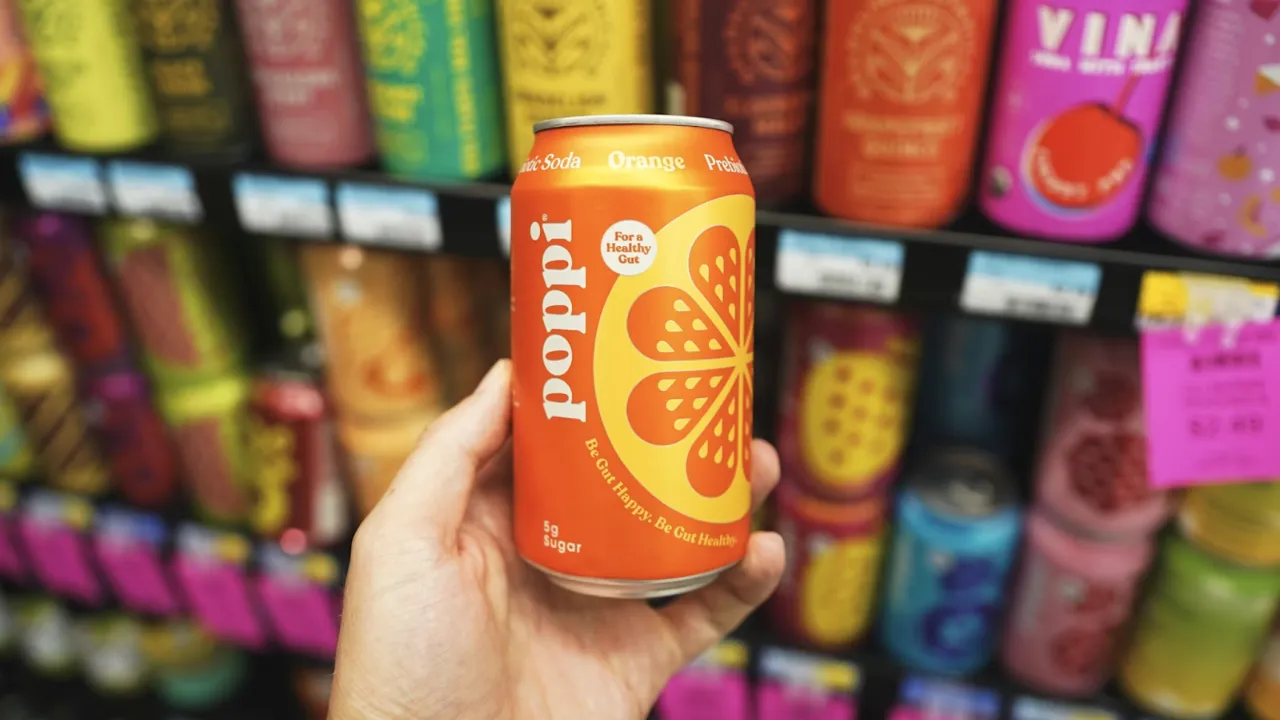
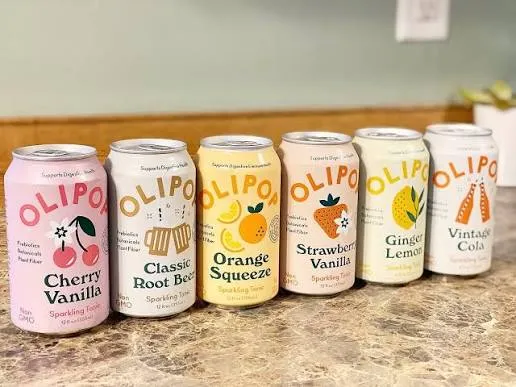
Craft spirits, specialty coffee, functional beverages, and premium sparkling waters are categories where brand positioning depends heavily on aesthetic and lifestyle association that creator content establishes more credibly than a television creative. TikTok Shop crossed $15 billion in US gross merchandise value in 2025, with food and beverage as one of its leading product categories. The discovery-to-purchase speed in the premium beverage category is one of the fastest in CPG because the products have low deliberation requirements and strong visual appeal in short-form content.
The Cost Comparison: TV Spot vs. Creator Campaign
The direct cost comparison between a television campaign and a creator campaign for a food CPG brand is more one-sided than most traditional media buyers will acknowledge in a media planning meeting.
A local broadcast television placement reaching a mid-sized US market, including production costs for a usable spot and enough placement to generate meaningful frequency against a target audience, runs between $50,000 and $200,000 depending on market size, daypart, and production quality. The resulting impressions are estimated from panel data, cannot be tied to individual grocery purchase behavior, and generate no content asset that continues working after the flight ends.
A creator campaign on Jupiter covering 8 to 12 mid-tier food creators across Instagram and TikTok, built around a specific retailer targeting brief, can deliver 1 million to 5 million impressions at CPMs between $1.57 and $6 depending on creator tier and campaign structure, based on Jupiter platform campaign data across food and beverage brands. The resulting content continues generating impressions after the campaign period ends, is attributable to individual creator and post performance, can be whitelisted in Meta paid ads with the creator's handle, and can be connected directly to Instacart cart-add activity through Jupiter's attribution mechanic.
The comparison does not argue that brands should eliminate TV entirely. It argues that for food CPG brands competing in categories where the 25 to 44 year-old grocery buyer makes decisions based on social discovery, the marginal dollar added to a creator budget produces more attributable grocery impact than the marginal dollar added to a TV buy.
Still comparing creator campaign ROI against estimated media value? Jupiter gives you a better model.
Instacart cart adds, estimated vs. actual CPM, creator cost efficiency, and campaign health tracking tied to grocery purchase behavior, not impression panels.
Why Brands Stay on Traditional Media When Creator Outperforms
The most honest section of any CPG media analysis is the one that explains why brands that have the data showing creator outperforms still allocate the majority of their budget to TV and FSIs. The answer is organizational inertia, not data.
Traditional media buying is structured. Agency relationships are established. Annual TV upfront commitments are signed in advance. The internal stakeholder who approves the TV budget has approved TV budgets for ten consecutive years and has a reporting system built around GRP targets, reach curves, and awareness tracking that she trusts. Changing the media mix requires changing the agency, the measurement system, the internal reporting structure, and the leadership narrative simultaneously, which is a political and operational project that exceeds most individual campaign cycles.
Creator marketing, by contrast, requires new vendor relationships, new creative briefing processes, new measurement frameworks, and new ways of presenting campaign outcomes to leadership. The brand manager who wants to shift $200,000 from TV to creator partnerships has to justify a methodology change and a performance framework change at the same time as she is justifying the budget request. The TV buyer only has to justify the budget.
This is the real reason CPG brands that know creator outperforms still stay on TV. The data is not the barrier. The organizational change management is.
What a Modern CPG Media Mix Looks Like
The modern CPG media mix that produces the best combination of grocery trial, velocity growth, and attributable ROI is not all creator and no traditional media. It is creator as the anchor of the performance layer and traditional media as a selective reach extension where it remains efficient.
For most mid-size food CPG brands with annual marketing budgets between $500,000 and $5,000,000, a practical 2026 media mix allocates the largest share of spend to creator marketing, Instacart and retail media (reaching consumers building active grocery carts at the point of purchase intent), and paid social amplification of top-performing creator content. A smaller share, weighted by how effectively TV reaches the brand's specific target demographic in the relevant distribution markets, can support brand awareness objectives where creator reach alone does not achieve sufficient frequency.
What the modern mix removes is the legacy allocation to channels that are declining in reach, cannot close the attribution loop to grocery purchase, and are not building any compounding content asset that continues working after the spend ends. The FSI and the broad-market display banner are not removed because they failed. They are removed because the same dollar produces more attributable grocery impact through creator marketing, and the brand now has the infrastructure to prove it.
Jupiter's influencer marketing analytics dashboard gives food CPG brands the CPM benchmarks, campaign health data, Instacart attribution, and share-of-voice movement tracking to make that case internally. The Jupiter AI Marketing Agent, built on 20 specialized tools, can surface campaign performance data across all active campaigns, compare creator CPM against paid media benchmarks, and generate the analytics narratives that make the case for media mix reallocation in a language a CFO can evaluate.
For food CPG brands that want a complete view of how Jupiter's platform connects creator content to grocery sales across the full media funnel, the complete food influencer marketing guide covers the workflow from brief to measurement.
The CPG media mix has shifted. Jupiter is built for where it has shifted to.
Instacart attribution, retailer proximity targeting, and analytics that prove grocery sales impact, built exclusively for food and beverage CPG brands. Used by 58+ brands including Banza, Pete & Gerry's, and Kettle & Fire.
FAQs
Quick answers to common questions.
What is CPG advertising and how is it changing in 2026?▼
CPG advertising is the set of paid media and promotional activities that consumer packaged goods brands use to drive product discovery, trial, and repeat purchase. In 2026, CPG advertising is undergoing a structural shift from traditional media channels (linear TV, FSIs, display advertising) toward digital channels where creator marketing, retail media, and paid social dominate. CPG advertising is approximately 50% digital, below the broader advertising market average of 75% digital, indicating that the reallocation toward digital and creator channels still has significant room to run. The shift is driven by changing grocery shopper media behavior, declining reach in traditional channels, and the availability of creator marketing attribution infrastructure that connects content to grocery purchase outcomes.
Why is creator marketing outperforming TV advertising for food CPG brands?▼
Creator marketing outperforms TV advertising for food CPG brands on three specific outcomes: trust conversion (consumers trust creator content more than advertising, and the trust differential translates to higher grocery trial rates), search lift (creator content on TikTok and Instagram is searchable and generates ongoing impressions after the campaign period ends, unlike TV spots), and retail attribution (Jupiter's comment-to-cart mechanic can tie a specific creator post to a specific Instacart cart add, which TV advertising cannot do). The CPM comparison also favors creator marketing for food CPG: mid-tier Instagram and TikTok creator campaigns on Jupiter have delivered CPMs between $1.57 and $6, while broad-market television placements produce CPMs of $10 to $30 against audiences that include a large share of non-grocery-buyers.
What CPG food categories are shifting fastest from traditional to creator marketing?▼
The CPG food categories shifting fastest to creator marketing are better-for-you and functional foods (high-protein, gut health, adaptogen, and clean-ingredient brands whose target consumers discover products through TikTok and Instagram search rather than TV), ethnic and specialty foods (globally-inspired sauces, specialty condiments, and artisan pantry products with strong visual content potential and limited traditional media budgets), and premium beverage (craft beverages, functional drinks, and sparkling waters where brand positioning is established through creator lifestyle content more credibly than TV advertising). These categories share a target consumer who skews toward social discovery, products with strong visual appeal in short-form content, and low habitual repurchase patterns that make brand awareness advertising less effective than discovery content.
How do you calculate CPM for a creator campaign vs a TV spot?▼
For a creator campaign, CPM is calculated as total spend divided by total views across all creator posts, multiplied by 1,000. Jupiter shows estimated CPM per creator combination before any spend is committed, based on real creator average view data. For TV advertising, CPM is typically calculated using estimated reach from audience panel data, which produces an estimate rather than an actual delivery figure. The creator campaign CPM is based on views actually delivered. The TV CPM is based on a statistical model. Beyond CPM, the key cost comparison for food CPG brands is attribution: a creator campaign CPM of $6 that produces Instacart cart-add data and compounding searchable content is a different commercial investment than a TV CPM of $15 that produces no attribution data and no persistent content asset.
Why do CPG brands continue to invest in TV advertising when creator outperforms?▼
Most CPG brands that continue allocating significant budget to TV advertising do so for organizational reasons rather than performance data reasons. Established agency relationships, signed annual upfront commitments, leadership familiarity with GRP and awareness tracking metrics, and the internal political difficulty of changing measurement frameworks simultaneously with budget allocation create inertia that individual media plan reviews rarely overcome. The data showing creator outperforms is frequently available. The organizational conditions for acting on it across a multi-year media planning cycle are more complex.
What does a modern CPG media mix look like in 2026?▼
A modern CPG media mix for a food brand selling through grocery retail in 2026 allocates the largest share of performance spend to creator marketing with Instacart attribution, retail media targeting active grocery shoppers on Instacart, Kroger, and Target platforms, and paid social amplification of top-performing creator content through Meta whitelisting. A smaller share can support brand awareness objectives through TV or streaming advertising where those channels demonstrably reach the brand's target demographic in relevant distribution markets. The channels being reduced or eliminated are the legacy allocations to FSIs, broad-market display advertising, and untargeted television placements that cannot produce grocery purchase attribution, are declining in reach against the target grocery shopper cohort, and produce no compounding content asset after the spend ends.
More in Strategy & Guides
More from Strategy & Guides.