What Marketing Teams Lose by Running Influencer Campaigns by Hand
Running influencer campaigns manually isn't just slower, it's a leverage problem. Here's what CPG marketing teams give up by staying manual.
Trusted by leading CPG brands
















On this page
▼
- What actually gets lost when campaigns run manually
- Time-to-launch
- Creator windows
- Reporting accuracy and timing
- Consistency across campaigns
- This isn't an argument for hiring an agency instead
- What replacing manual steps actually changes
- The leverage question CPG marketing teams should be asking
- How Jupiter handles this for food CPG brands
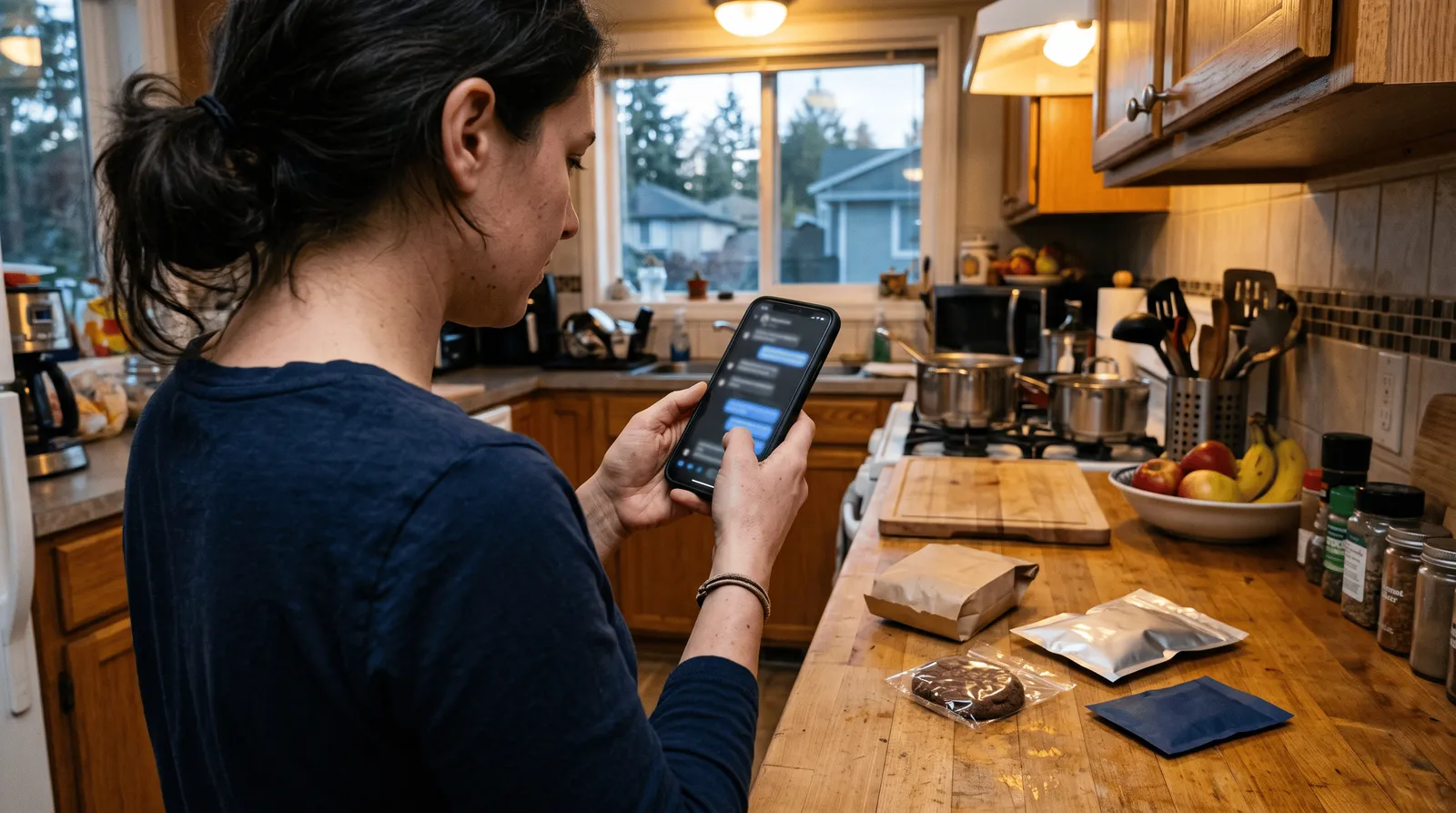
Manual influencer campaign management means running creator sourcing, briefing, budget allocation, and reporting through spreadsheets, DMs, and email rather than through purpose-built software. For lean CPG marketing teams, the real cost of staying manual isn't just the hours spent, it's the campaigns that never get run because there wasn't time to run them.
This is a leverage problem more than a time-management problem. A marketing manager who spends three days sourcing creators for one campaign has three fewer days to spend on strategy, creative direction, or the next campaign entirely. That opportunity cost rarely shows up on a budget line, but it shows up in how many campaigns a team can actually execute in a quarter.
What actually gets lost when campaigns run manually
Time-to-launch
A manually sourced and briefed campaign typically takes days to weeks before the first creator is even confirmed, since each step, research, outreach, negotiation, brief-writing, happens sequentially and depends on creator response times. That delay matters most when a campaign needs to align with a product launch window or a seasonal retail moment that won't wait.
Creator windows
Good creators book up. A brand that takes two weeks to manually vet and reach out to a shortlist often finds that the strongest-fit creators are already committed to other campaigns by the time an offer goes out. Speed isn't a nice-to-have here, it directly affects which creators are even available.
Reporting accuracy and timing
Manual reporting usually means someone builds a spreadsheet after a campaign ends, pulling numbers from multiple platforms by hand. That's not just slow, it means a brand has no real-time visibility into whether a campaign is underperforming while there's still time to adjust anything.
Consistency across campaigns
When sourcing and briefing depend on one person's manual process, quality and criteria vary from campaign to campaign based on who's running it and how much time they had that week. That inconsistency compounds as a team scales up the number of campaigns it runs.

See what real-time campaign health actually looks like
Live impressions vs. estimated, CPM tracking, and health status, instead of a spreadsheet built after the fact.
This isn't an argument for hiring an agency instead
It's tempting to read "manual execution isn't high-leverage" as an argument for outsourcing to an agency. That's a different tradeoff with its own cost, agencies bill for the same manual labor, sourcing, briefing, reporting, just performed by someone else's team instead of your own, which is why agency fees tend to scale with the amount of manual work a campaign requires.
The more direct fix is removing the manual labor itself, regardless of who would otherwise be doing it. An AI marketing agent that can source matched creators, draft a brief from a plain-language description, and surface live campaign health doesn't just save a marketing manager's time, it removes the need for that manual labor to exist at all, whether it would have been done in-house or outsourced.
What replacing manual steps actually changes
When creator sourcing runs through automated matching instead of manual research, a shortlist that used to take days takes minutes, and a team can realistically run more campaigns per quarter without adding headcount. When briefing runs through an AI agent that can draft a full brief from a plain-language description or an uploaded document, the bottleneck of "someone has to sit down and write this" disappears. When reporting is live instead of assembled after the fact, a team can catch an underperforming campaign in week one instead of finding out in a post-mortem.
None of this requires a bigger team. It requires removing the specific manual steps that were absorbing the current team's time without contributing to strategy or creative decisions.
Spending more time on campaign admin than campaign strategy?
See how Jupiter's AI agent handles sourcing, briefing, and reporting so your team doesn't have to.
The leverage question CPG marketing teams should be asking
The right question isn't "how do we hire more people to run more campaigns." It's "how much of what our current team spends time on is actually strategy, and how much is manual execution that software could handle instead." For most lean CPG teams, the honest answer is that a significant share of time goes to execution steps, sourcing, coordinating, reporting, that don't require human judgment so much as they require someone to grind through them.
How Jupiter handles this for food CPG brands
Jupiter's AI marketing agent is built to handle the manual execution layer of influencer campaigns specifically for food and beverage CPG brands, sourcing matched creators through the 12-signal optimizer, drafting briefs from plain-language descriptions or uploaded documents, and surfacing live analytics instead of requiring manual reporting after the fact. This isn't a managed service model, brands still make the strategic decisions, but the execution labor that used to consume a marketing manager's week runs through the platform instead.
See how much manual work your team could hand off
Jupiter's AI agent handles sourcing, briefing, and reporting so your team can focus on strategy.
FAQs
Quick answers to common questions.
What does manual influencer campaign management actually cost a team?▼
The primary cost is time, specifically the hours spent on creator sourcing, briefing, and reporting that could otherwise go toward strategy or running additional campaigns. This opportunity cost is real even when it doesn't appear on a budget line.
Is using an AI marketing platform the same as outsourcing to an agency?▼
No. An agency performs the same manual labor, sourcing, briefing, reporting, using its own team, which is why agency fees scale with the amount of manual work involved. An AI platform removes the manual labor itself rather than reassigning it to a different team.
How much faster is AI-assisted campaign sourcing than manual sourcing?▼
Manual sourcing typically takes days to weeks depending on the size of the shortlist and creator response times. AI-assisted matching against a pre-vetted creator network can reduce that to minutes for generating a scored shortlist.
Does removing manual campaign management mean losing control over strategy?▼
No. AI-native platforms typically automate execution steps, sourcing, briefing drafts, reporting, while strategic decisions, campaign goals, budget, creative direction, remain with the marketing team.
Why does time-to-launch matter for influencer campaigns?▼
Campaigns tied to product launches or seasonal retail moments lose relevance if they launch late. Slow manual sourcing and briefing directly delays time-to-launch, sometimes past the window the campaign was meant to support.
Can a small CPG marketing team run influencer campaigns without hiring additional staff?▼
Yes, when the manual execution steps, sourcing, briefing, and reporting, are handled by software rather than by additional headcount, a small team can run more campaigns without proportionally growing the team.
More in AI Marketing & Automation
More from AI Marketing & Automation.