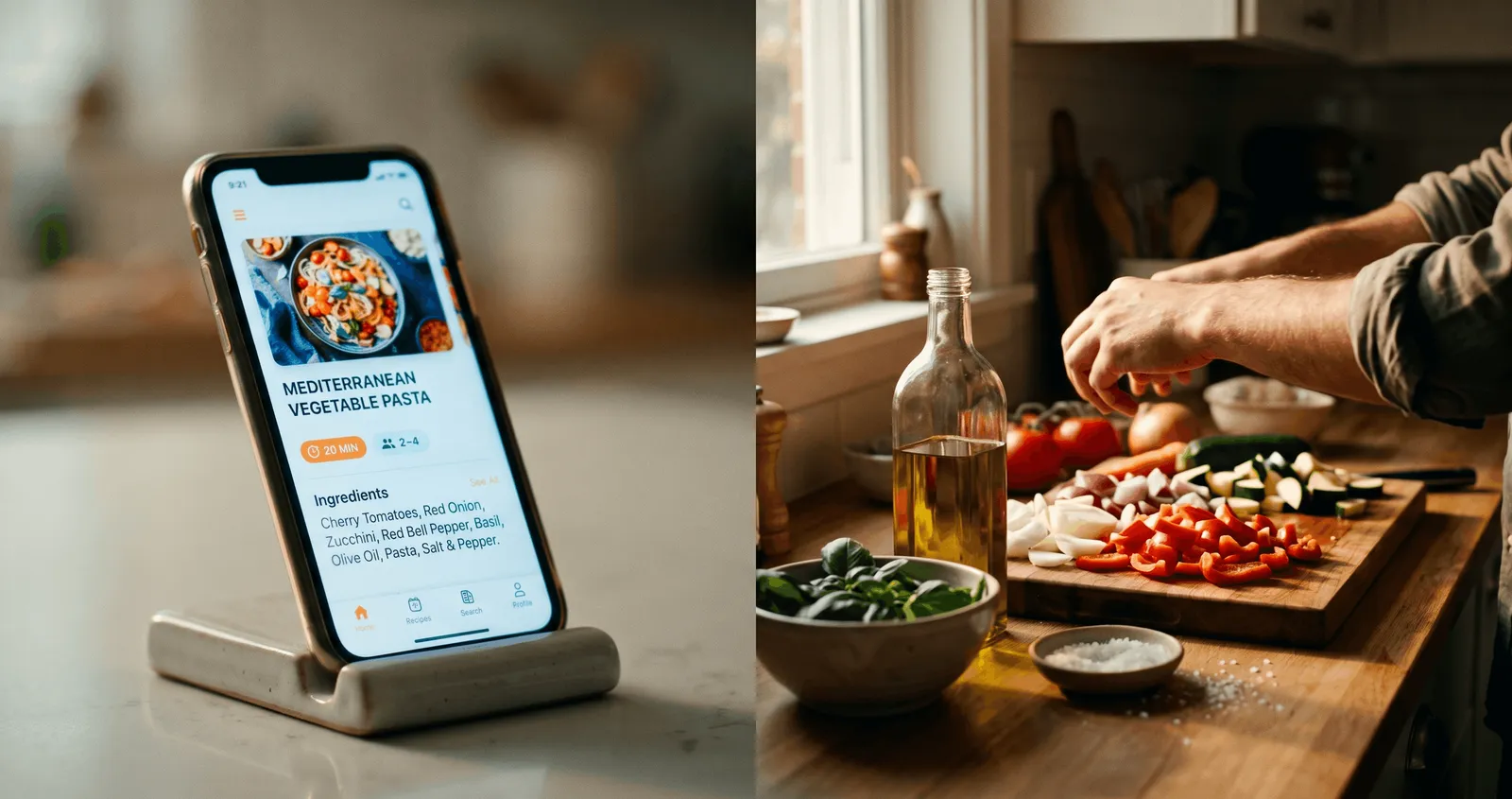
How Ingredient Category Exclusivity Works for Food CPG Brands on Jupiter
A monthly, category-exclusive sponsorship model lets one brand own a specific ingredient across Jupiter's creator network, with no competing brand featured in that category for the reserved window.
Trusted by leading CPG brands







On this page
▼
- Why category exclusivity matters more than creator exclusivity
- How the reservation model works
- How creators are compensated
- What counts as an ingredient category
- Where this fits next to a standard campaign
- What brands should ask before reserving a category
- How Jupiter handles ingredient category sponsorships
Ingredient category sponsorship is a campaign model where a CPG brand reserves exclusive rights to a specific ingredient category, such as eggs, olive oil, or plant-based milk, across Jupiter's creator network for a set calendar month. During that reservation window, no competing brand in that category is featured in sponsored recipe content on the platform. It is built for brands that want category ownership, not just individual creator placements.
Most influencer campaigns are built creator by creator. A brand picks a roster, negotiates rates, and hopes the content lands during a relevant purchase moment. Ingredient category sponsorship flips that structure. Instead of buying creators, a brand buys the category itself, for a defined period, across every creator whose storefront and recipe content touches that ingredient.
Why category exclusivity matters more than creator exclusivity
Creator exclusivity has always been hard to enforce and harder to value. A single creator agreeing not to post for a competitor for 30 days protects almost nothing, because ten other creators in the same food category are still open. Category exclusivity works differently. It protects the entire conversation around an ingredient, not one person's feed.
For a CPG brand, this matters most in categories with genuine substitution risk. If someone searches TikTok for chickpea pasta recipes, or an egg-based breakfast idea, they are choosing between brands in that moment. Owning the category for a month means a brand's product is the one showing up across that entire creator surface, not competing for attention against three other brands doing the same thing at the same time.
How the reservation model works
A brand reserves a specific ingredient category for one or more calendar months. Reservations are held during a review period before they go active, and once confirmed, that category is locked to the sponsoring brand for the duration.
During the active window: Creators whose content matches the sponsored ingredient category are offered participation. Creators who accept feature the sponsoring brand's product in their Jupiter storefront, meaning when a viewer engages with that creator's sponsored recipe content, the storefront surfaces that brand's SKU specifically, not a generic category page.
This is different from a standard paid post. The sponsorship isn't a single deliverable, it is a presence across a creator's storefront and recipe content for the reservation period, tied to a specific ingredient rather than a specific piece of content.
How creators are compensated
Creators are not paid a flat rate per post under this model. Compensation is tied to actual storefront activity, specifically when a viewer adds the sponsored product to their cart through that creator's storefront. Some creator tiers have activation guarantees or milestone structures built in, so a brand isn't purely dependent on organic performance to see creator participation follow through.
This performance link is the structural difference from a traditional sponsorship. A brand isn't paying for exposure and hoping it converts. It is paying for a category position where creator earnings are tied to whether their content is actually driving product interest.

See which ingredient categories are still open
Category reservations are limited to one sponsoring brand per month. Check availability for your category before a competitor locks it.
What counts as an ingredient category
Categories are built around how people actually search and cook, not rigid SKU classifications. Eggs is a category. Olive oil is a category. Plant-based milk is a category. A brand's product is classified into the category it competes in, and that classification is what determines exclusivity, not the brand's internal product taxonomy.
This matters for multi-SKU brands. A brand with several products across different ingredient categories can potentially hold sponsorships in more than one category simultaneously, since exclusivity is scoped to the category, not the brand account.
Where this fits next to a standard campaign
Ingredient category sponsorship is not a replacement for a standard influencer campaign, it is a different lever. A standard campaign is about reaching a defined audience with a message. Category sponsorship is about owning the ingredient-level conversation during a specific window, regardless of which individual creators end up posting.
Brands running seasonal pushes, like a holiday baking ingredient or a summer grilling category, get the most out of this model because the exclusivity window lines up with a real purchase moment. Owning "olive oil" content for the month leading into a major cooking holiday means every relevant creator touchpoint funnels back to one brand instead of splitting attention across the category.
Running category campaigns creator by creator?
See what it looks like to own an entire ingredient category instead of negotiating individual placements.
What brands should ask before reserving a category
Before reserving a category, it's worth understanding what's actually included in the reservation and what isn't. The reservation guarantees category exclusivity and creator eligibility, not a fixed volume of posts. Participation depends on which creators in the network are actively producing content in that ingredient category during the reserved month, and how many accept the offer.
Brands should also think about timing relative to their retail calendar. A category reservation that doesn't line up with when the product is actually on shelf or in stock loses most of its value, since the entire model depends on driving purchase intent during the window a shopper can act on it.
How Jupiter handles ingredient category sponsorships
Jupiter runs ingredient category sponsorships as a dedicated campaign surface, separate from standard campaign creation. A brand reserves a category and month, Jupiter holds that inventory during a review period, and once confirmed, no competing brand in that category is offered placement for the duration. Creator storefronts feature the sponsoring brand's specific SKU, and creator payouts are tied to storefront activity rather than flat per-post rates, with guarantees built in for select creator tiers so brands see participation follow through even in categories with thinner organic content volume.
For food and beverage CPG brands trying to own a real purchase moment, not just add another creator post to the feed, this is the model built for exactly that.
Reserve your ingredient category before a competitor does
Jupiter works with 58+ CPG brands including Banza, Pete & Gerry's, and Kettle & Fire. See if your category is available this month.
FAQs
Quick answers to common questions.
What is an ingredient category sponsorship?▼
An ingredient category sponsorship is a campaign model where a CPG brand reserves exclusive rights to a specific food ingredient category, such as eggs or olive oil, across a creator network for a set calendar month. During that window, no competing brand in the same category is featured in sponsored content.
How much does an ingredient category sponsorship cost compared to a standard campaign?▼
Cost structure differs from a standard per-post campaign because creator payouts are tied to storefront activity rather than a flat rate. Exact rate structures vary by category and creator tier and are discussed directly during setup.
Can a brand sponsor more than one ingredient category at a time?▼
Yes. Exclusivity is scoped to the ingredient category, not the brand account, so a multi-SKU brand can hold sponsorships across multiple categories simultaneously if each product is classified into a different category.
How are creators paid under an ingredient sponsorship?▼
Creators are compensated based on storefront activity tied to the sponsored product, specifically when viewers add the product to cart through that creator's storefront, rather than a flat rate per post. Some creator tiers include activation guarantees.
What happens if a competing brand tries to reserve the same category?▼
Once a category and month are reserved and confirmed, that category is locked to the sponsoring brand for the duration. A competing brand cannot reserve the same category during an active exclusivity window.
Is ingredient category sponsorship available for every food category?▼
Categories are built around how people actually search and cook, covering common ingredient groupings like eggs, olive oil, and plant-based milk. Availability depends on current reservation status, which brands can check directly.
More in Creator Commerce & Retail Media
More from Creator Commerce & Retail Media.