How Ingredient Category Sponsorship Lets CPG Brands Own a Creator Channel Competitors Can't Buy Into
Affiliate influencer marketing pays creators for results, not just posts. Here's how food and beverage CPG brands are using it, and how Jupiter's ingredient category sponsorship takes it further with monthly category exclusivity.
Trusted by leading CPG brands







On this page
▼
- Why Generic Affiliate Programs Underperform for Grocery Brands
- Ingredient Category Sponsorship: Affiliate Economics, Built for Retail
- Why Category Exclusivity Changes the Math
- How Payouts Work Without Disclosing Rate Specifics
- Who Should Consider Ingredient Category Sponsorship
- Standard Campaigns vs. Category Sponsorship
- How Jupiter Handles Affiliate-Style Creator Marketing for CPG
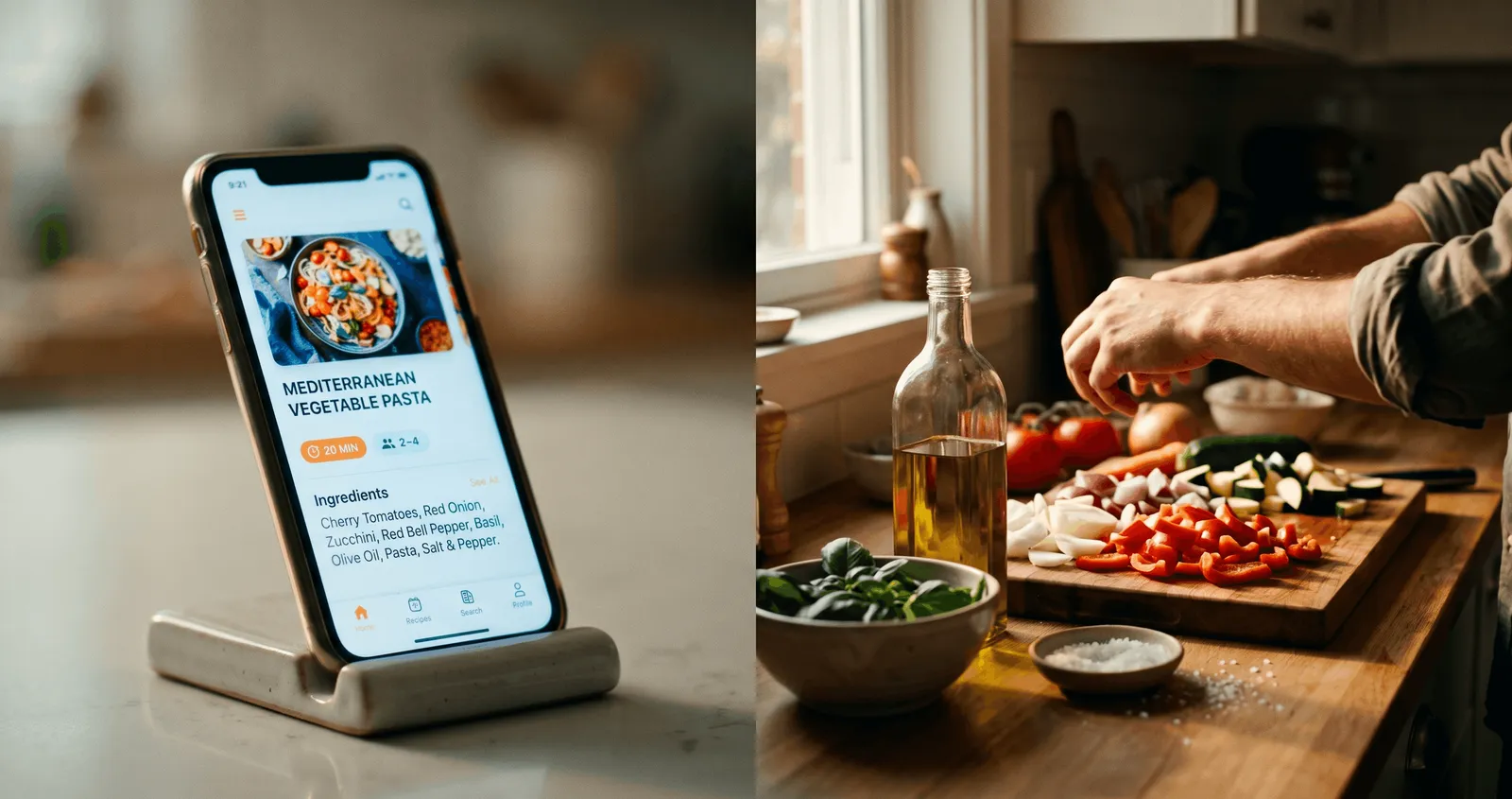
Affiliate influencer marketing is a hybrid model where creators earn based on the sales or actions their content drives, rather than a flat fee per post. For food and beverage CPG brands, this usually means a creator posts a recipe or product video, and their payout scales with add-to-carts, purchases, or another trackable action instead of follower count or a negotiated rate card.
The appeal for CPG marketers is straightforward: spend follows performance. A creator whose audience actually buys gets paid more. A creator whose content underperforms costs less. That alignment is why affiliate-style compensation has grown steadily across influencer marketing, and why food CPG brands, who live and die by retail velocity, are paying closer attention to it than most categories.
But affiliate influencer marketing in its generic form has a structural problem for CPG: most affiliate programs are built for DTC and e-commerce, where a single trackable link leads to a single checkout. Grocery doesn't work that way. A shopper who sees a recipe video on Instagram might buy the product at Kroger, on Instacart, or three weeks later at Whole Foods. Attribution breaks down fast when the purchase path isn't a direct click-to-cart.
Why Generic Affiliate Programs Underperform for Grocery Brands
Standard affiliate influencer marketing tools were built for categories where the purchase happens in the same digital session as the content. Beauty, apparel, and supplements convert this way often enough that link-based attribution works reasonably well.
Food and beverage CPG doesn't follow that pattern. Grocery purchases are habitual, planned around weekly shopping trips, and split across retailers and platforms. A creator can drive real purchase intent and still show zero attributed sales in a standard affiliate dashboard, simply because the shopper bought the product on a different platform than the one the link pointed to.
This is the gap Jupiter's Instacart attribution was built to close for standard campaigns, using a comment-triggered DM mechanic that sends viewers a shoppable Instacart link tied to the specific creator and post. It's also the gap that a newer model, ingredient category sponsorship, addresses from a different angle entirely.
Ingredient Category Sponsorship: Affiliate Economics, Built for Retail
Jupiter now offers ingredient category sponsorship, a campaign type where a brand reserves an entire ingredient category, such as eggs, olive oil, or bone broth, exclusively across creator storefronts for a full calendar month.
Here's what that means in practice. Once a brand sponsors a category, creators in that category feature the sponsoring brand's product specifically when that ingredient appears in their recipe content, for the duration of the sponsorship. No competing brand can buy into that same category during that window. It's exclusivity by category and by month, not by individual creator or individual post.
Creators are paid based on performance within that sponsorship, specifically on add-to-cart activity their content generates, rather than a flat per-post rate. That's the affiliate mechanic food CPG has been missing: performance-based creator payouts, built around how grocery shoppers actually discover and buy products, not around a DTC checkout flow.
The model also includes activation guarantees, giving sponsoring brands a baseline level of assurance around the placements and activity their sponsorship generates.

Your category might already be available
Ingredient category sponsorship is exclusive by month. See which categories are open right now and what sponsoring one would look like for your brand.
Why Category Exclusivity Changes the Math
Most influencer marketing, affiliate or otherwise, is non-exclusive. Ten brands in the same category can run the same type of campaign, targeting the same creators, in the same month, and no one is stopped from doing it. That's fine for awareness, but it means a brand's investment is constantly being diluted by category noise, including from direct competitors running the exact same play.
Category sponsorship removes that dilution for the sponsoring brand. If a specialty oil brand sponsors the "olive oil" category for March, no other olive oil brand can buy into that same creator visibility during that window. The brand isn't just running a campaign, it's occupying a category.
This matters most for brands in categories with a small number of dominant competitors, where share of voice is a zero-sum fight. A pasture-raised egg brand competing against two or three other egg brands for the same shelf space benefits far more from owning "eggs" for a month than from running one more campaign that looks identical to what competitors are already doing.
How Payouts Work Without Disclosing Rate Specifics
Jupiter doesn't publish exact per-add-to-cart payout figures publicly, since rates vary by category demand and creator tier. What brands should know directionally: creators are compensated on results within their sponsorship, meaning the brand's spend is tied to actual cart activity rather than guaranteed post delivery regardless of outcome. This is the core distinction from Jupiter's standard campaign types, where creators are compensated per post at a negotiated or optimizer-recommended rate.
Brands considering category sponsorship should treat it as a complement to, not a replacement for, standard campaigns. A brand might run always-on standard campaigns for ongoing content velocity, while layering in category sponsorship during high-stakes retail moments, like a seasonal push or a new SKU launch, when owning the category outright matters more than usual.
Running affiliate-style creator programs without a grocery-specific attribution model?
Standard affiliate tools weren't built for how CPG shoppers actually buy. See what a model built for retail and Instacart looks like.
Who Should Consider Ingredient Category Sponsorship
Category sponsorship makes the most sense for brands with a clearly defined, ownable ingredient or category term, brands facing direct competitive pressure from one or two rivals in the same aisle, and brands with a specific retail moment, like a launch or seasonal push, where category dominance during a defined window has outsized value.
It makes less sense as a first move for brands still building creator relationships from scratch, or for categories too broad to meaningfully "own" in a single month, like "snacks" generally rather than a specific snack type.
Standard Campaigns vs. Category Sponsorship
The two models solve different problems. Standard campaigns, whether Standard, Ambassadorship, or Creator Sampling, are about consistent content velocity and creator relationships over time. Category sponsorship is about occupying competitive space during a defined window.
Brands don't have to choose permanently. The brands getting the most out of both models tend to run standard campaigns as their baseline creator strategy, then layer category sponsorship in around specific retail moments where exclusivity delivers outsized value versus another standard campaign that looks like everyone else's.
How Jupiter Handles Affiliate-Style Creator Marketing for CPG
Jupiter is built exclusively for food and beverage CPG brands, which is why its affiliate-style model looks different from generic influencer affiliate platforms. Category sponsorship ties creator payouts to add-to-cart performance instead of link clicks, works across Jupiter's network of 1,000+ vetted food and recipe creators, and integrates with the same Instacart attribution infrastructure used across standard campaigns, so brands aren't managing a separate, disconnected affiliate stack.
Because category sponsorship is exclusive by month, availability is limited by design. Brands evaluating whether their category is open, and what sponsoring it would involve, should talk to the Jupiter team directly rather than waiting to see if a competitor claims the window first.
See if your category is still available this month
Ingredient category sponsorship is exclusive, one brand per category, per month. Used by 58+ leading CPG brands including Banza, Pete & Gerry's, and Kettle & Fire.
FAQs
Quick answers to common questions.
What is affiliate influencer marketing for CPG brands?▼
Affiliate influencer marketing pays creators based on performance, such as sales or add-to-cart activity, rather than a flat fee per post. For food and beverage CPG brands, this typically means a creator's payout scales with the purchase activity their content actually drives.
How is ingredient category sponsorship different from a standard affiliate program?▼
Standard affiliate programs use trackable links tied to a single checkout, which works poorly for grocery since purchases happen across retailers and platforms. Ingredient category sponsorship instead gives a brand exclusive category ownership across creator storefronts for a full month, with creators paid on add-to-cart activity generated during that window.
How much does affiliate-style creator marketing cost for CPG brands?▼
Costs vary by category demand, creator tier, and campaign structure. Jupiter's category sponsorship model ties creator payouts to performance rather than guaranteed post delivery, so cost scales with actual results. Specific rate details are shared during a walkthrough of your category and goals.
Can more than one brand sponsor the same ingredient category?▼
No. Ingredient category sponsorship is exclusive, one brand per category, per calendar month. Once a brand reserves a category like eggs or olive oil, competing brands cannot buy into that same category during that window.
Does category sponsorship replace standard influencer campaigns?▼
Not typically. Most brands run standard campaigns, like Standard, Ambassadorship, or Creator Sampling, as their ongoing creator strategy, then layer in category sponsorship around specific retail moments, such as a launch or seasonal push, where owning the category outright matters most.
How does attribution work for affiliate influencer content in grocery?▼
Jupiter uses a comment-triggered DM mechanic. When a viewer comments on a creator's post with a specific keyword, they receive an automated DM with a shoppable Instacart link tied to that creator and post, so cart adds attribute back to the specific piece of content rather than getting lost across retail channels.
More in Creator Commerce & Retail Media
More from Creator Commerce & Retail Media.