Affiliate Commerce Is Creator-Led While Sponsored Ingredients Are Category-Led
Both models pay on performance, which makes them easy to confuse. One buys a creator relationship, the other buys an ingredient category across an entire network.

Trusted by leading CPG brands










On this page
▼
- One buys a creator relationship, the other buys a category
- Affiliate commerce fits brands building creator relationships
- Creator-led performance concentrates by design
- Sponsored ingredients fit brands that want category coverage
- Running both covers more of the same network
- Decide by naming the problem you are solving
Both affiliate commerce and sponsored ingredient placements are performance-tied. Brands pay based on results rather than reach. That similarity makes the two easy to blur together, but they solve different problems.
One buys a creator relationship, the other buys a category
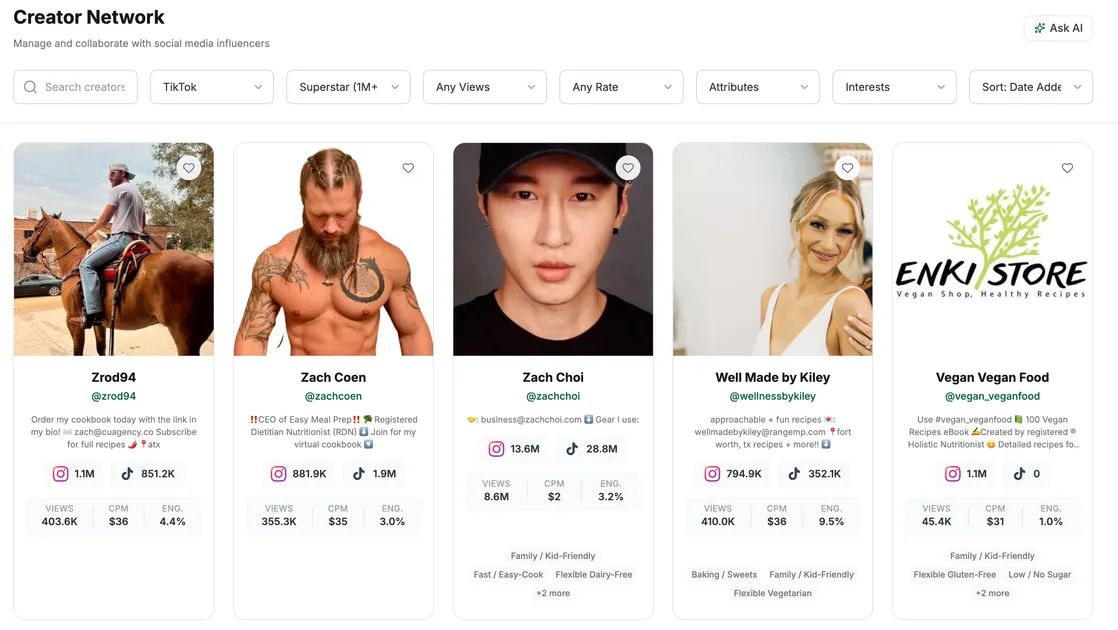
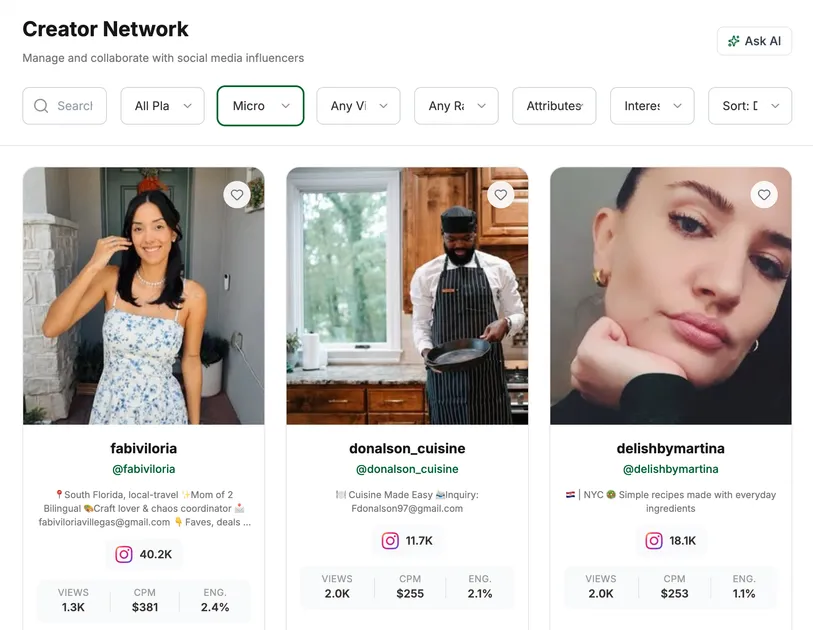
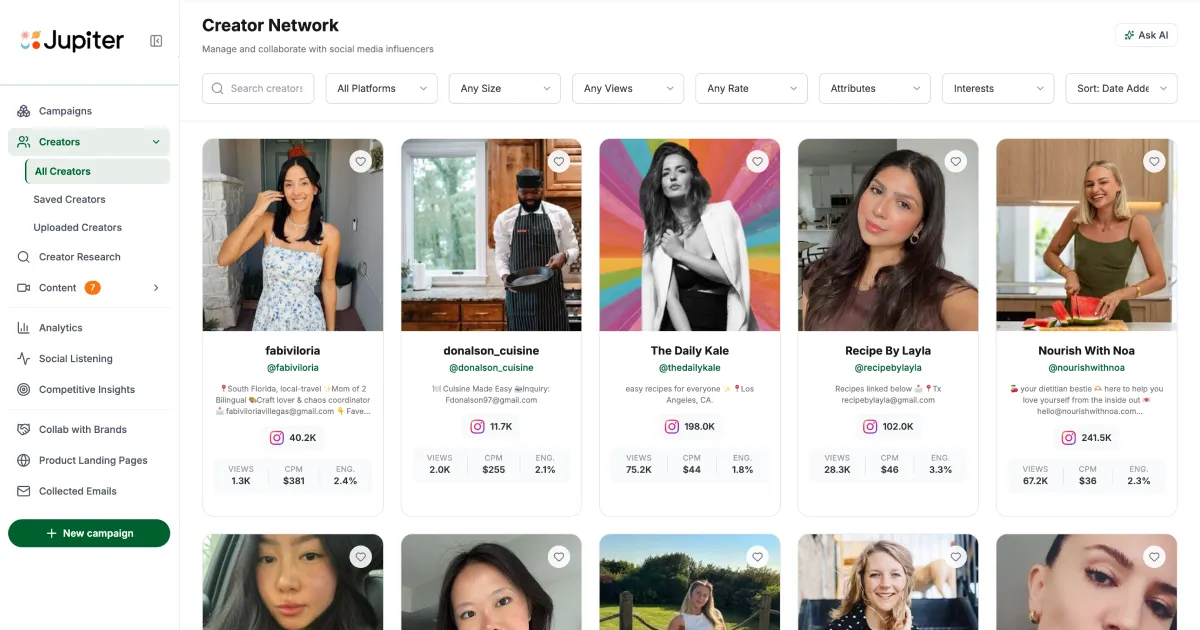
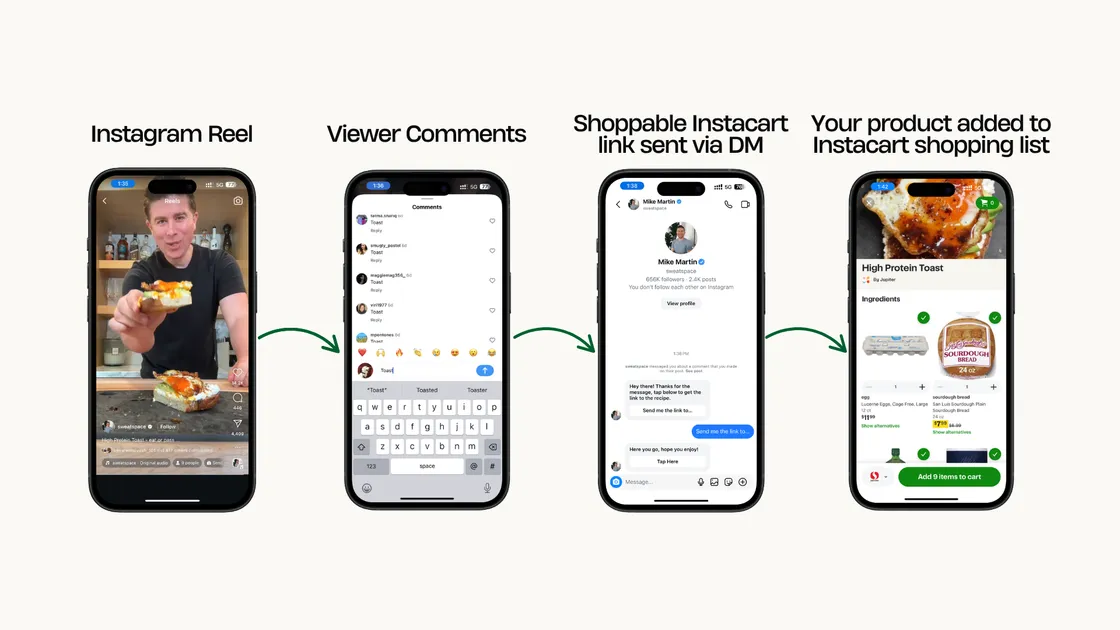
Affiliate commerce is creator-led. A specific creator features your product, and you pay commission when their content drives a sale. The relationship is between the brand and the creator. The payout mechanics are covered in how affiliate marketing works for CPG food brands.
Sponsored ingredient placements are category-led. Your product becomes the recommended ingredient across every recipe, from every creator in a network, that uses that ingredient category. The relationship is between the brand and the category rather than any single creator. The New Kitchen Aisle covers that mechanic in full.
Affiliate commerce fits brands building creator relationships
You want direct relationships with creators whose audience and content style closely match your brand
You are comfortable with performance concentrated among a smaller number of high-converting creators
You want flexibility to negotiate commission terms per creator or per campaign

See both models running against your catalog
Compare creator-led and category-led commerce with real projected performance for your products.
This model pairs naturally with long-term ambassador programs, where the same creators work with a brand across multiple cycles and their audience builds genuine familiarity with the product.
Creator-led performance concentrates by design
Concentration is the tradeoff to weigh. Affiliate performance tends to cluster among a small number of creators, which is efficient when those relationships hold and fragile when a top performer stops posting or signs elsewhere.
Own your ingredient category across the network
Monthly category exclusivity across 1,000+ food creators, with projected GMV visible before you commit.
Sponsored ingredients fit brands that want category coverage
You want your product recommended across an entire network of relevant recipes rather than depending on individual creator relationships
Your product maps cleanly to a core cooking ingredient category such as oils, sauces, proteins, dairy, or condiments
You want an advantage a rival cannot outbid, since category exclusivity keeps competing brands out of that ingredient slot for the reserved window
Running both covers more of the same network
A brand can run affiliate commerce with a handful of creators who are a strong brand fit, and a sponsored ingredient placement to capture the broader category-wide recipe traffic those specific relationships do not reach. The two models cover different surface area of the same creator network.
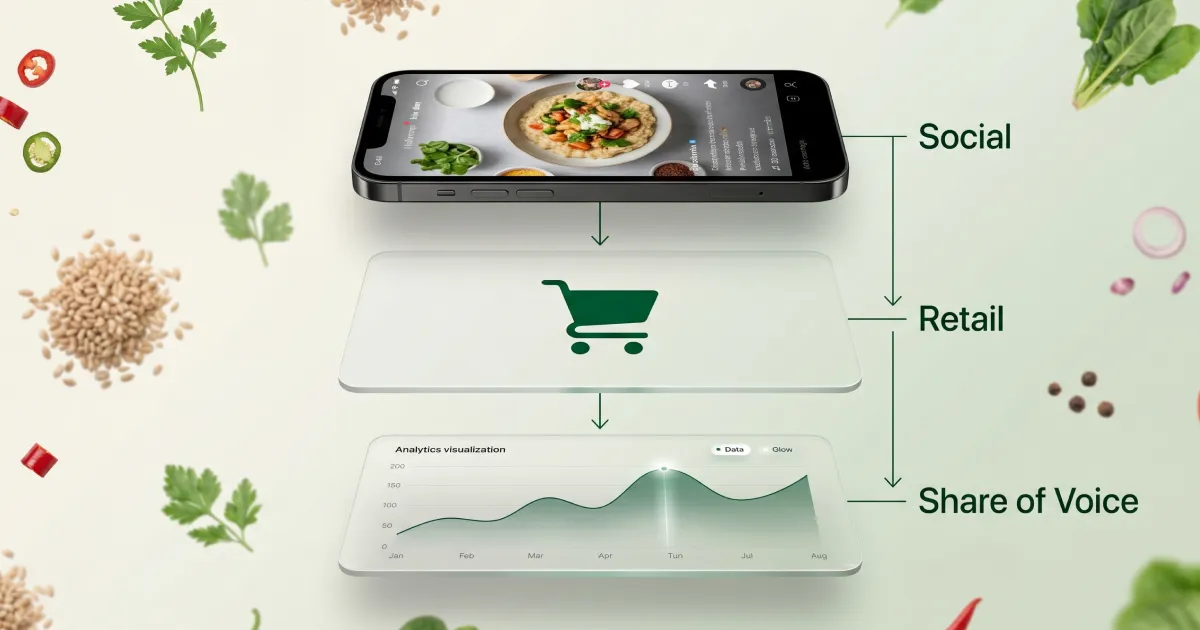
This follows the same logic as connecting retail media and influencer marketing as one budget rather than two. The formats are not competing for the same job.
Decide by naming the problem you are solving
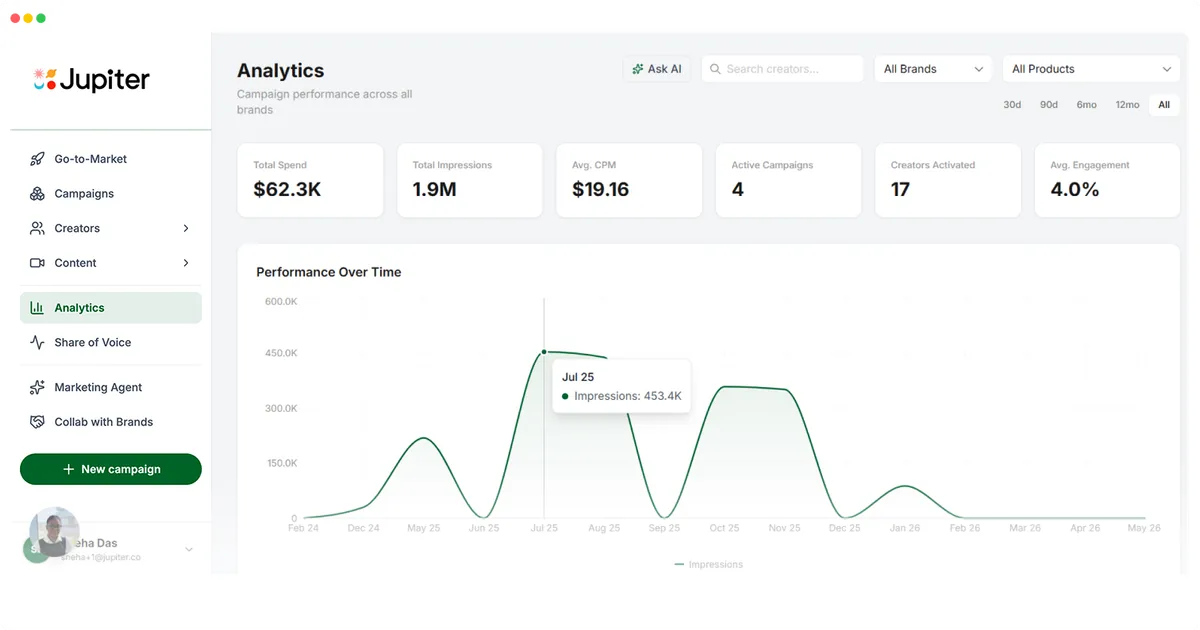
If the goal is having a specific creator's audience trust and buy your product, affiliate commerce is the direct path. If the goal is being the default recommendation whenever an ingredient appears in a recipe, regardless of who wrote it, sponsored ingredient placement is built for exactly that. Either way, judge both on the same metric, since shop clicks give a cleaner read than add-to-cart counts when comparing structurally different models.
Get a recommendation for your category
See which commerce model fits your product line, category, and creator strategy.
FAQs
Quick answers to common questions.
What is the difference between affiliate commerce and sponsored ingredient placements?▼
Affiliate commerce is creator-led: a specific creator features your product and earns commission on sales their content drives. Sponsored ingredient placements are category-led: your product becomes the recommended ingredient across every relevant recipe from every creator in a network. The first buys a relationship, the second buys a category position.
How does pricing differ between the two models?▼
Affiliate commerce pays commission per tracked sale tied to an individual creator's content, so cost scales directly with that creator's performance. Sponsored ingredient placements are priced against category-wide signals like shop clicks and add-to-carts across the whole network. Sponsored placements also include category exclusivity, which affiliate commerce does not offer at any price.
Can a brand use both models at the same time?▼
Yes, and many do. They cover different surface area, one through specific creator relationships and one across an entire category network. Running both captures creator-specific audiences and broad recipe traffic simultaneously.
Which model suits a brand new to creator marketing?▼
Affiliate commerce is usually the simpler starting point, since it involves direct relationships with a smaller number of creators and less upfront category commitment. Sponsored ingredient placements make more sense once a brand has identified a clear ingredient category worth owning at scale.
Does sponsored ingredient placement replace individual creator relationships?▼
No. It operates alongside them, capturing category-wide recipe traffic that individual creator relationships would not reach on their own. The two models are complementary rather than substitutes.
Which model offers more protection against competitors?▼
Sponsored ingredient placements, because category exclusivity prevents a competing brand from appearing in the same ingredient slot during the reserved window. Affiliate commerce offers no equivalent category lockout.
Related Posts
Browse more from our blog.