What 1.8 Million Creator Storefront Shop Clicks Reveal About Food Category Demand
Most creator campaigns report impressions. Jupiter's storefronts report shopping behavior. Here is the 30-day network number, the categories where demand concentrates, and an honest account of where the measurement currently stops.
Trusted by leading CPG brands




Ask a food brand what its last creator campaign delivered and you will almost always get an impressions number. Maybe engagement rate. Maybe a saves count, if the agency is feeling generous. What you will rarely get is any evidence that a person who watched the content then went looking for the product.
That gap is not a reporting failure. For most of the influencer industry it is a measurement ceiling. The content lives on one platform, the purchase happens somewhere else entirely, and nothing in between is instrumented. Brands have learned to accept a proxy and call it performance.
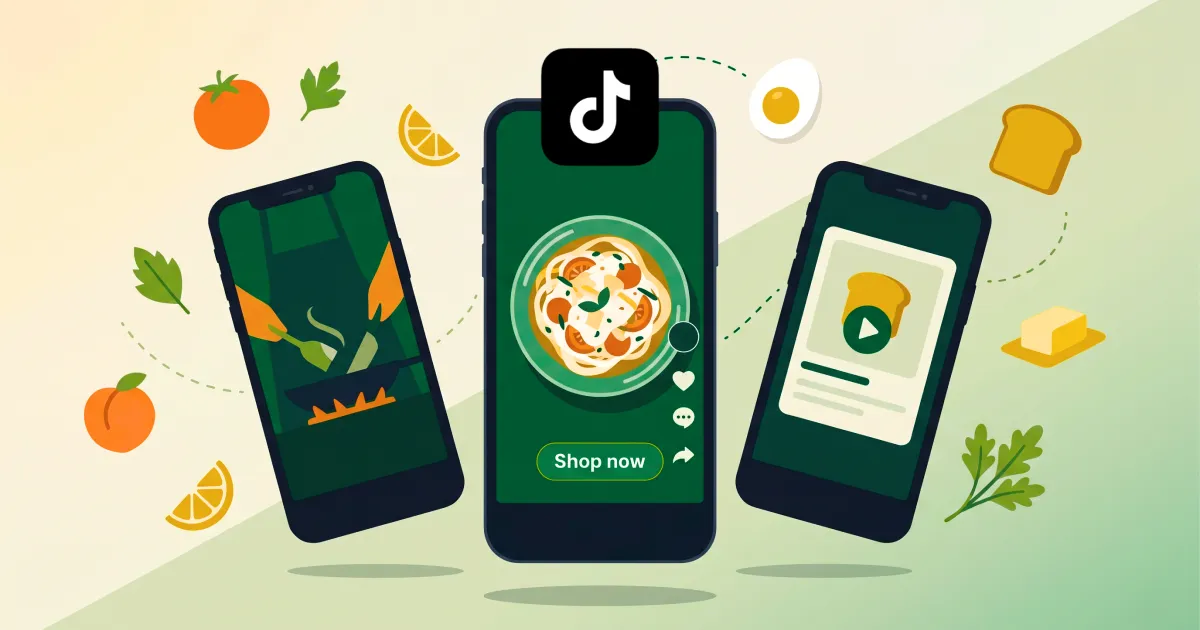
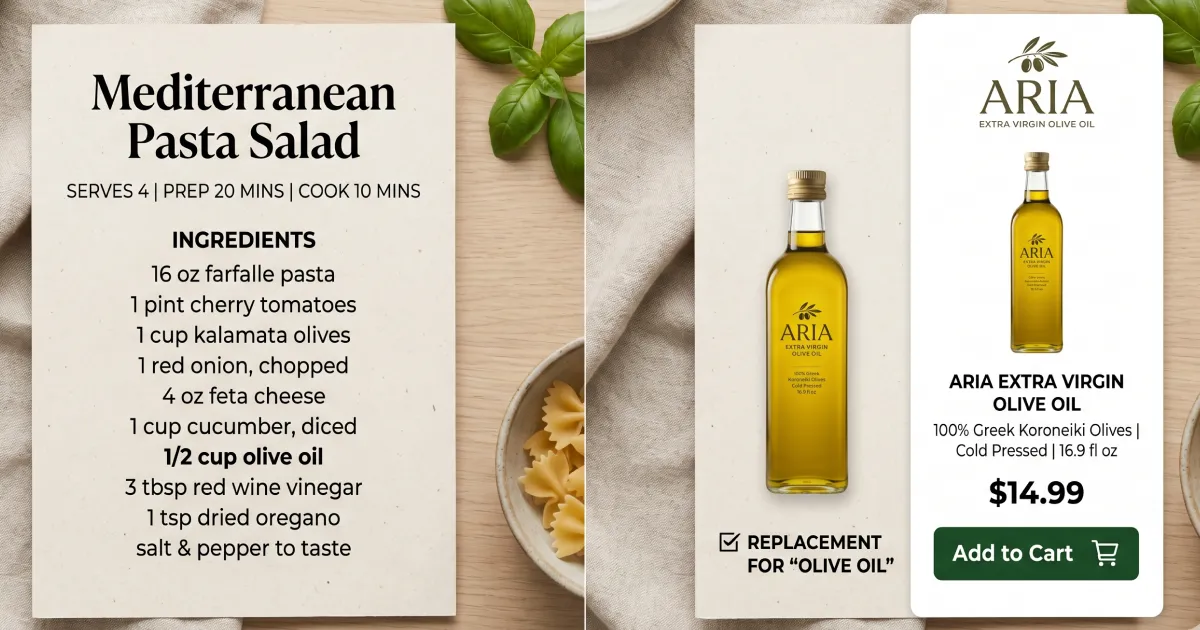
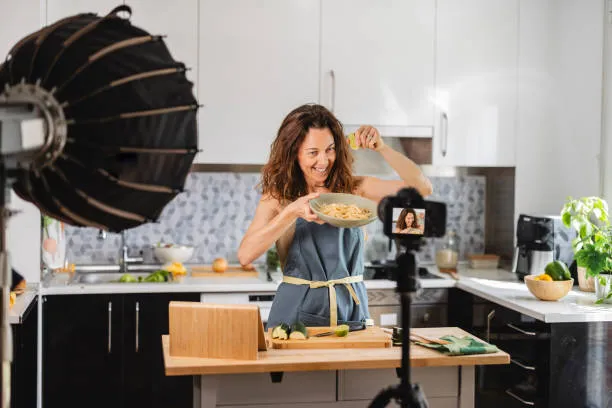
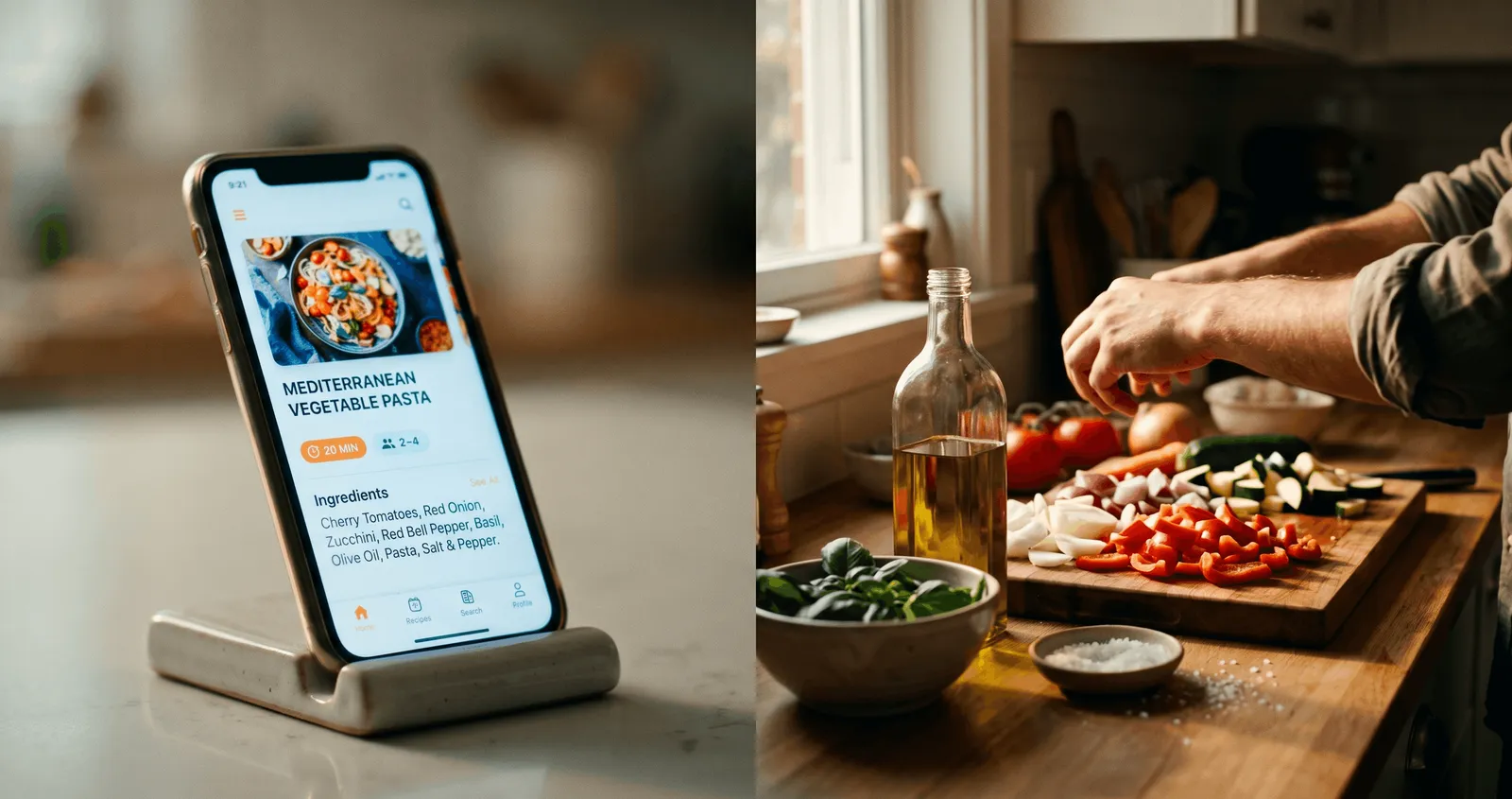
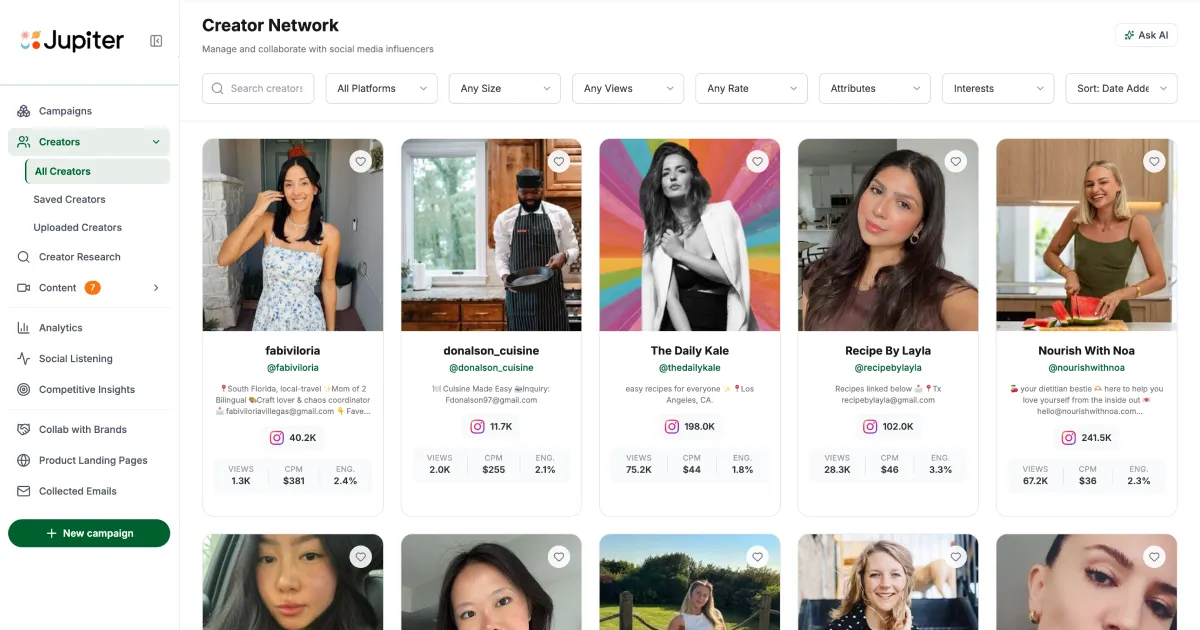
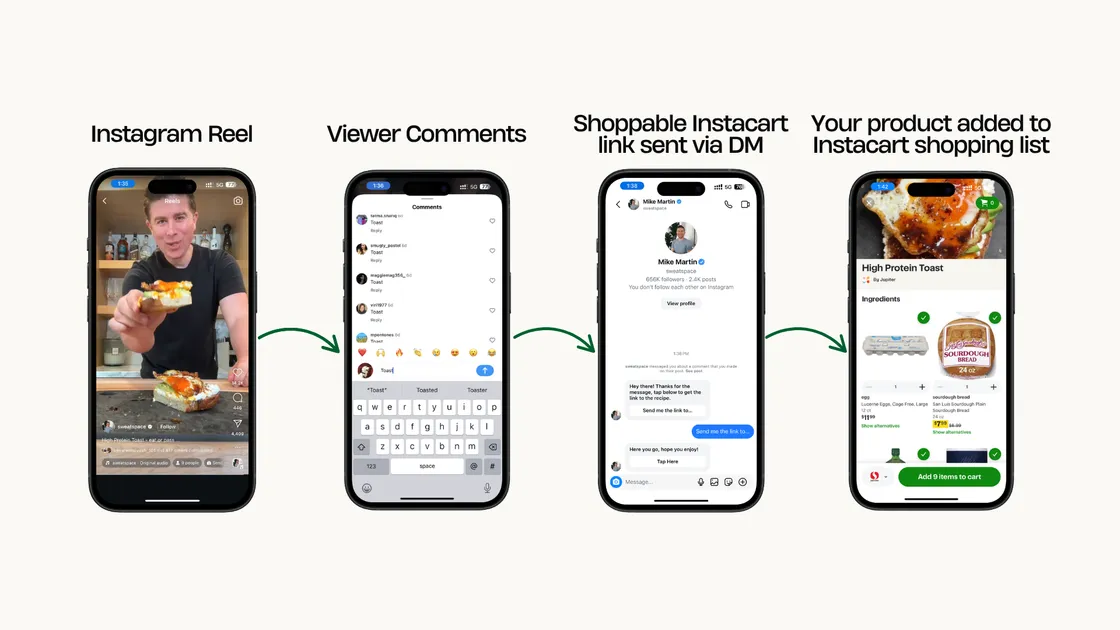
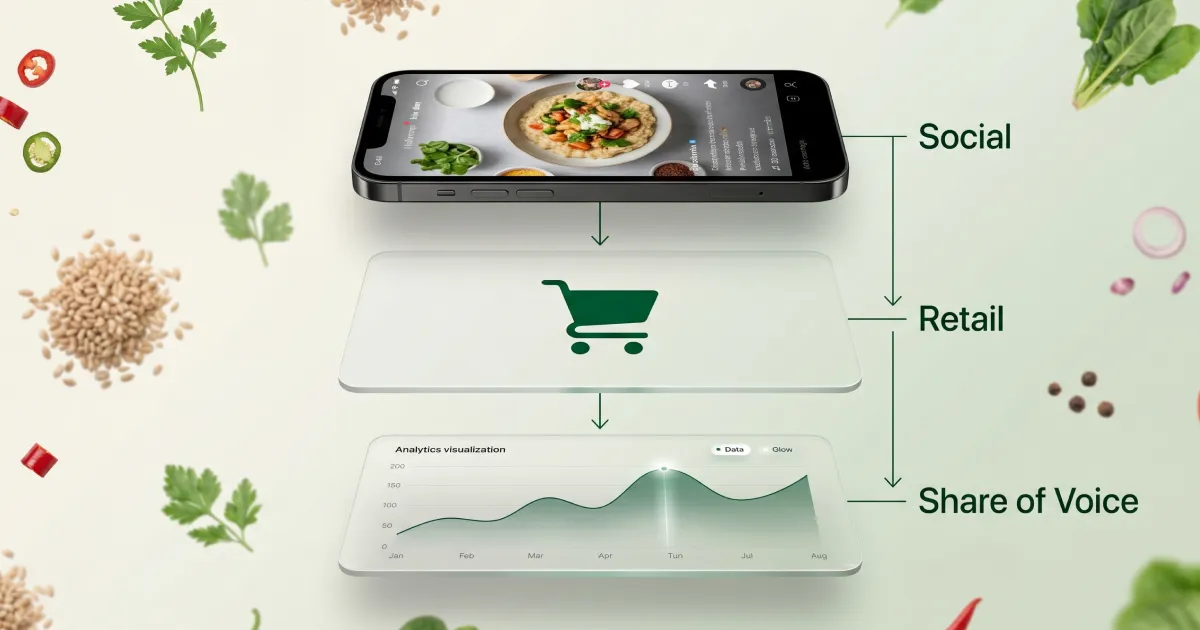
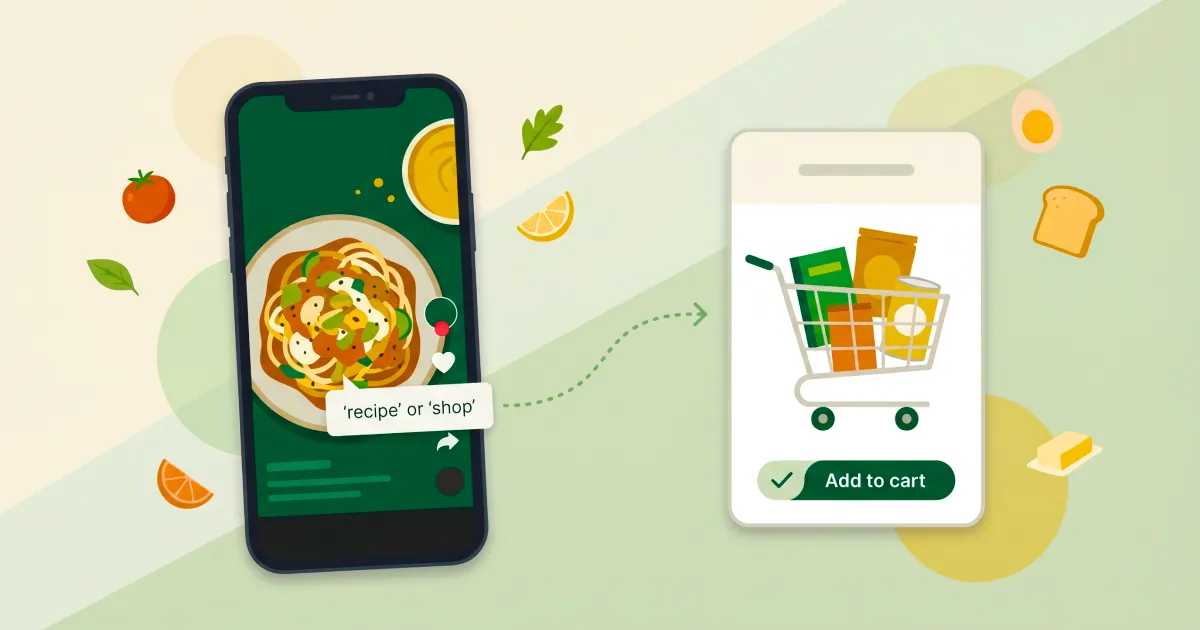
Jupiter's creator storefronts sit in that gap on purpose. When a creator publishes a recipe, the ingredients in it become shoppable, and the shopper can send those products to a retailer list in a single action. That action is logged. It is not inferred from a lift study or reconstructed from a panel. It is an event, and it either happened or it did not. This is the measurement layer that affiliate commerce for grocery actually requires.
Over the thirty days ending September 14, 2026, those storefronts logged over 1.8 million product shop clicks across the network. This piece breaks down where that volume sits by category, and it is equally direct about the parts of the funnel we do not yet measure.
See the commerce data for your category
Category-level shop click volume from creator storefronts, without stretching the number past what we can measure.
What a shop click actually is
Precision matters here more than scale does, so it is worth defining the unit before quoting any more numbers.
A shop click is recorded when a shopper takes a product from a creator's storefront and sends it to their retailer shopping list. It captures a specific, deliberate moment of purchase intent. The shopper has moved past the content, past the recipe, and has started assembling a basket. That is what shoppable ingredients are built to produce.
A shop click is not a retailer add-to-cart. It is not a completed transaction. It is not a modeled purchase derived from an assumed conversion rate. Those three things get quoted interchangeably across this industry, usually because the looser definition produces the bigger headline, and the result is that no two platforms' numbers can be compared to each other.
We are drawing the line clearly because everything below depends on it. When this piece says 1.8 million, it means 1.8 million logged intent events, and nothing more expansive than that.
The network number
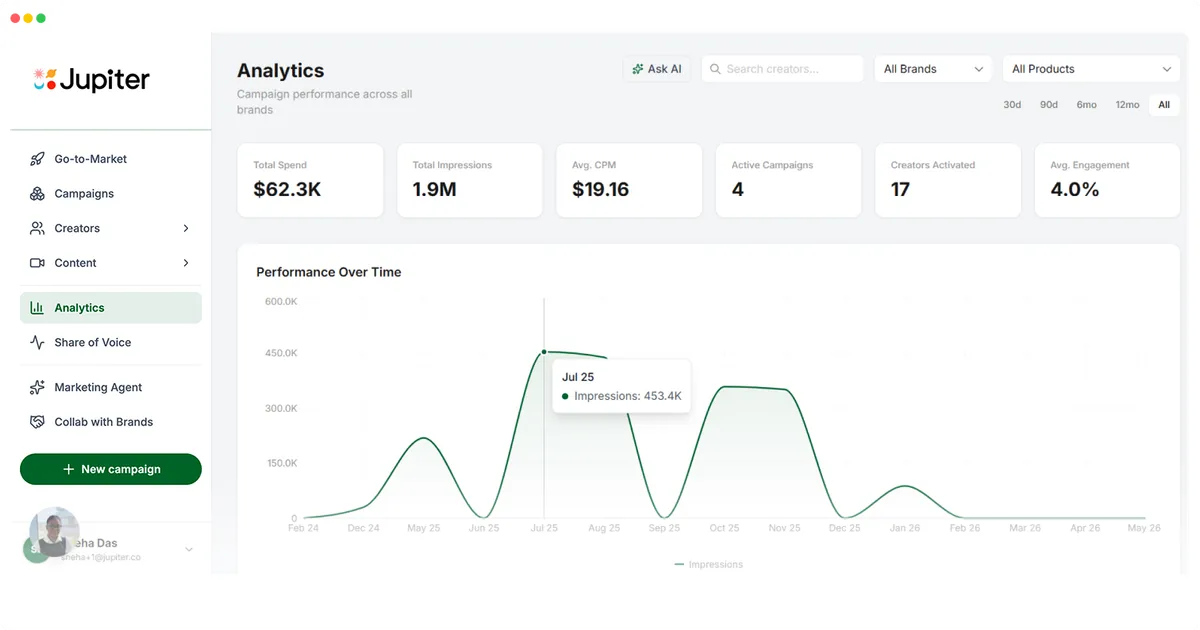
Across thirty days, Jupiter's creator storefronts recorded 518,614 storefront visits from shoppers arriving through creator content. Those visits produced over 1.8 million product-level shop clicks and a further 198,733 recipe-level shop clicks, where a shopper sends an entire recipe's ingredient set to a retailer shopping list in one action rather than selecting products individually. The activity came from 887 active creators.
Two things in that set are worth pulling out.
The first is the ratio. More than three product shop clicks for every storefront visit means shoppers are not arriving, glancing, and leaving. They are arriving and building baskets. That behaviour is much closer to a grocery shopping session than to a social media session, which is the entire strategic point of putting commerce inside recipe content rather than next to it.
The second is the recipe-level figure. Nearly 200,000 times in a month, a shopper decided they wanted the whole dish rather than one item from it. For a brand, that is a fundamentally different acquisition moment than a single-SKU click. The product enters the basket as part of a meal the shopper has already committed to making, which means it is competing on relevance to that recipe rather than on shelf price against the item beside it.
Where demand concentrates
Network totals are useful for understanding scale. Category breakdowns are what actually inform a media plan.
The figures below represent product shop clicks by ingredient category across the same thirty-day window. They describe category-level demand on creator storefronts. They are not attributed to any individual brand or SKU, and for reasons covered in the final section, they should not be read that way.
Category | Shop clicks (30 days) |
|---|---|
Butter (all types combined) | 54,033 |
Salted butter | 44,300 |
Extra-virgin olive oil | 41,576 |
Honey | 34,488 |
Organic eggs | 11,461 |
Ground beef | 8,662 |
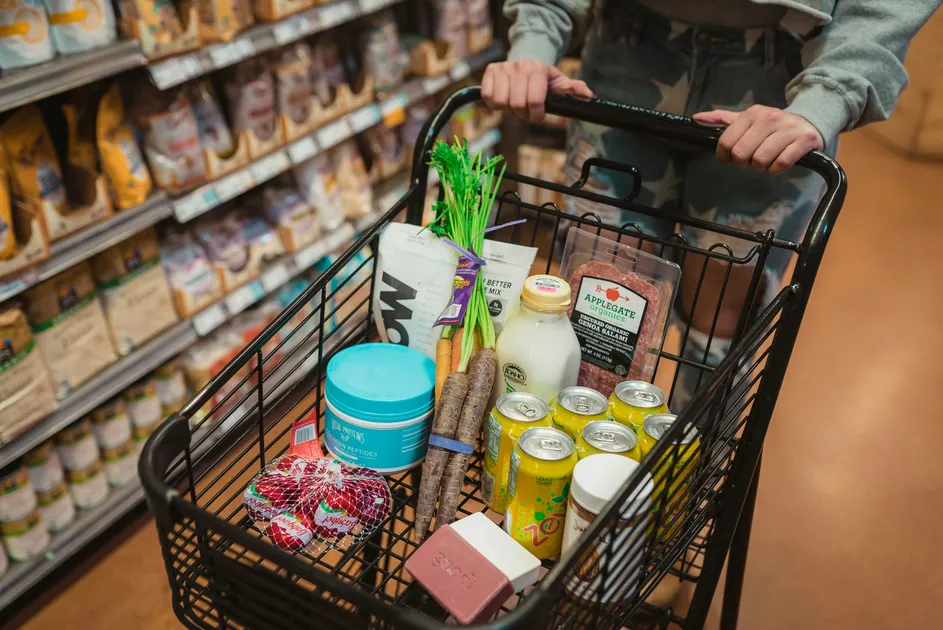
The pattern is consistent and, for anyone who has spent time in recipe content, fairly intuitive. The categories driving the heaviest volume are pantry staples that appear across an enormous range of dishes. Butter, olive oil and honey are not destination purchases. They are ingredients that show up in dessert content, in dinner content, in breakfast content, and in sauces and dressings across all of it. Every recipe that includes one is another surface where that category becomes shoppable.
Categories with tighter recipe applicability sit lower, and that is not a weakness in the channel so much as a fact about recipe distribution. Organic eggs at 11,461 and ground beef at 8,662 appear in fewer dishes, so they accumulate fewer shoppable placements.
The planning implication runs in both directions. If your product sits in a high-frequency staple category, the ceiling on creator commerce is high but your product is one of many options inside a crowded category, so creator selection and recipe fit determine whether the demand reaches you. If your category is narrower, the total volume is smaller but each placement carries more weight, and a smaller, better-matched creator roster can capture a meaningful share of it.
Ask us what your category looks like
We can walk through the shop click volume in your ingredient category and where it sits relative to the rest of the network.
What this means for a food brand
The reason to care about any of this is that it changes what a creator campaign is for.
Treated as an awareness channel, creator content gets judged on reach and gets budgeted against paid social. Treated as a commerce channel, it gets judged on whether it moves product toward a basket, and it gets budgeted against trade spend and retail media, where the comparison is considerably more favourable.
The volumes above suggest the second framing is the accurate one. A category generating tens of thousands of monthly shop clicks on creator storefronts is not producing brand impressions with a vague downstream halo. It is producing shopping behaviour that a brand can be present inside or absent from.
For a brand deciding where creator budget goes, the practical question stops being how many people will see this and becomes how many shoppable placements does my category generate each month, and what share of them am I in. That is a question with a number attached, which is more than most influencer planning conversations can offer.
What we do not claim
The most useful thing we can do with a dataset this size is be specific about where it stops.
Shop clicks are measured. Retailer add-to-cart is not currently populated in our data, so we do not report it. Completed purchases are not instrumented on our side either, which means any purchase figure we published would be shop clicks multiplied by an assumed conversion rate. That is a model, not a measurement, and presenting modeled purchase figures as a result would undermine the numbers that are real.
Brand-level attribution carries the same constraint. The category figures above reflect demand for an ingredient category on creator storefronts. Product-level sponsorship telemetry that would let us attribute a specific share of that demand to a specific brand's SKU is not emitting yet. We could have mapped categories onto brands and published a brand-attributed headline. It would have read better and it would not have been true.
Ground-truth sales data exists, and it comes from retail measurement sources like SPINS rather than from us. Pairing storefront shop clicks against independent sales data is the right way to close the loop, and it is a separate exercise from the one in this piece.
None of that diminishes 1.8 million logged intent events in thirty days. It just means the number is what it says it is. In a category where funnel metrics get stretched routinely, a smaller number you can stand behind is worth considerably more than a larger one you cannot.
See where your category shows up on creator storefronts
Book a walkthrough of category demand, shop click volume, and what the funnel currently does and does not measure.
FAQs
Quick answers to common questions.
What is a shop click on a creator storefront?▼
A shop click is logged when a shopper sends a product from a creator's storefront to their retailer shopping list. It records a deliberate act of purchase intent. It is distinct from a retailer add-to-cart and from a completed purchase, neither of which a shop click implies.
How many shop clicks does Jupiter's creator network generate?▼
Over the thirty days ending September 14, 2026, Jupiter's creator storefronts recorded over 1.8 million product shop clicks and 198,733 recipe-level shop clicks, from 518,614 storefront visits across 887 active creators.
Which food categories generate the most creator storefront demand?▼
Pantry staples lead. Across the same window, butter categories combined for 54,033 shop clicks, extra-virgin olive oil recorded 41,576 and honey 34,488. Narrower categories such as organic eggs and ground beef recorded 11,461 and 8,662 respectively.
Why are these figures reported at category level rather than by brand?▼
Product-level sponsorship telemetry that would attribute shop clicks to a specific brand's SKU is not yet emitting. Reporting category demand is accurate; attributing it to an individual brand would not be, so we do not do it.
Does a shop click mean a purchase happened?▼
No. Purchases are not instrumented on our side, and we do not publish modeled purchase figures derived from assumed conversion rates. Verified sales measurement comes from retail data sources such as SPINS, which is a separate process from storefront tracking.
What is the difference between a product shop click and a recipe shop click?▼
A product shop click sends one item to a shopping list. A recipe shop click sends the full ingredient set from a recipe in a single action, which places the product into a basket as part of a meal the shopper has already decided to make.
Related Posts
Browse more from our blog.