Receipt Verification Turns In-Store Trial Into Provable Creator-Driven Sales
9/3/2026 - 3 min read
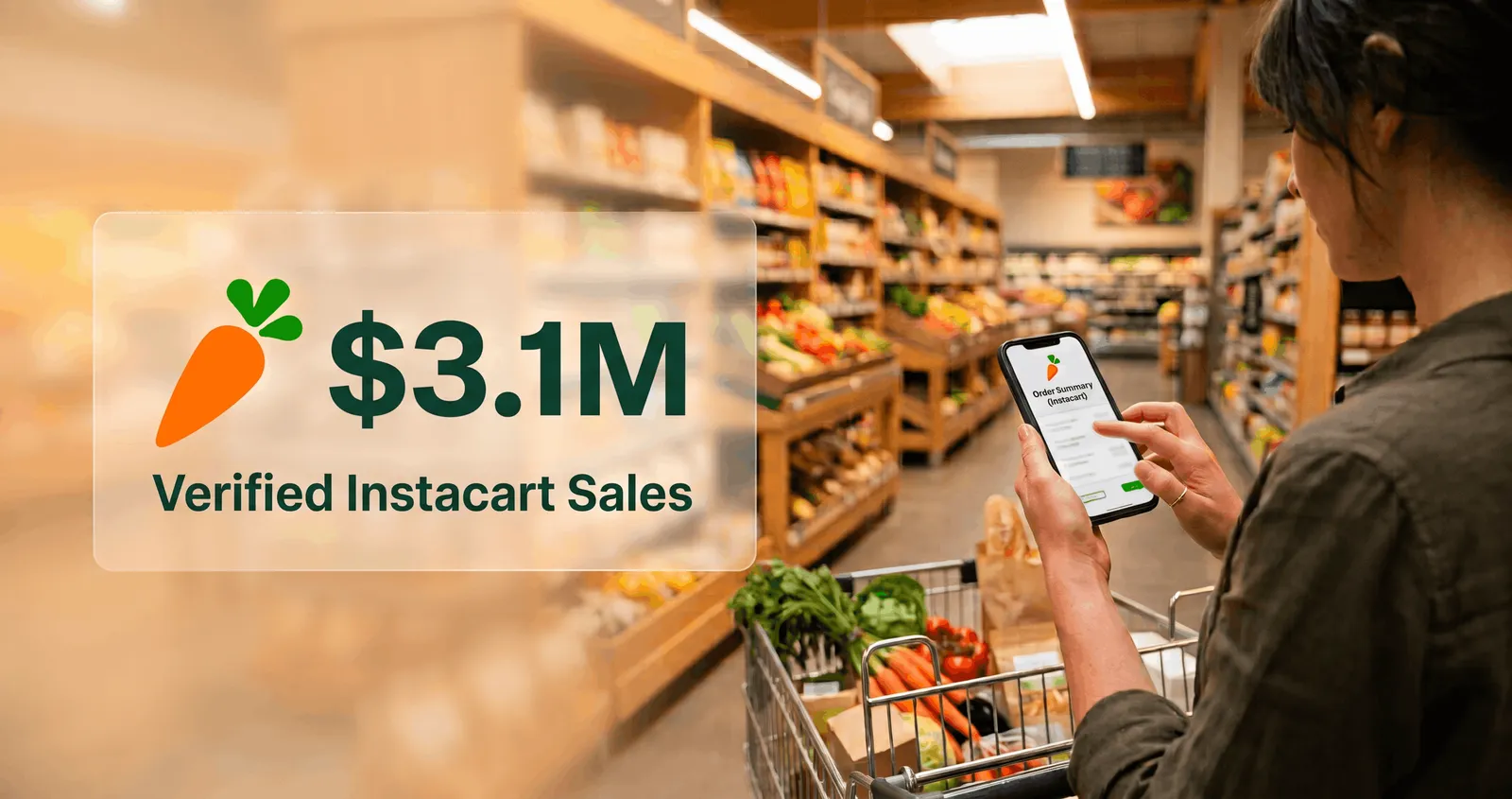
In-store trial has always been the attribution layer marketers trusted least, because it was the hardest to prove. A receipt changes that.
Read post

9/3/2026 - 3 min read
In-store trial has always been the attribution layer marketers trusted least, because it was the hardest to prove. A receipt changes that.
Read post

9/3/2026 - 3 min read
Most influencer reports end with an impressions number. This one ends with a sales number, and every dollar of it is traceable to a specific creator post.
Read post
8/17/2026 - 5 min read
Creator commerce metrics like Shop Clicks show early intent fast. Retail sales data confirms what actually happened, later but definitively. Jupiter connects both to the same campaign.
Read post
8/17/2026 - 4 min read
Sales lift is only as reliable as the baseline it's measured against. This framework walks through the three comparison methods CPG brands need to evaluate creator campaign performance accurately.
Read post
8/17/2026 - 4 min read
Jupiter's Sales Attribution dashboard maps creator campaigns and posts to retail sales lift using uploaded SPINS data, compared against baseline, year-over-year, and seasonal trends.
Read post
8/17/2026 - 3 min read
Add-to-cart counts overstate creator campaign performance. Shop Clicks measure the specific moment a viewer moves from a creator's storefront toward a purchase, giving CPG brands a cleaner signal.
Read post
7/6/2026 - 4 min read
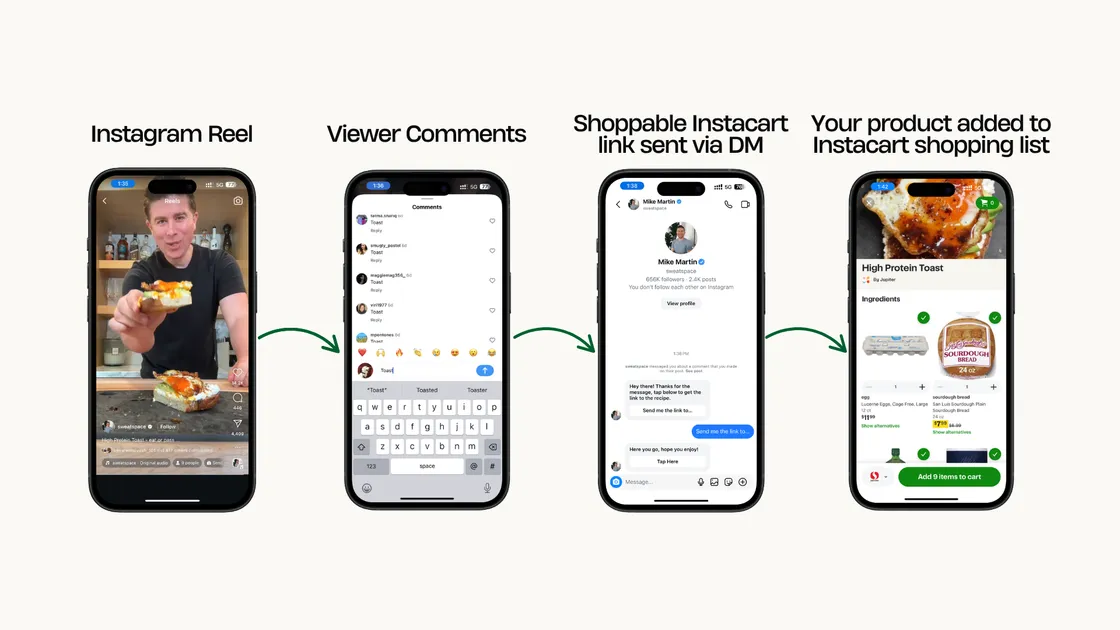
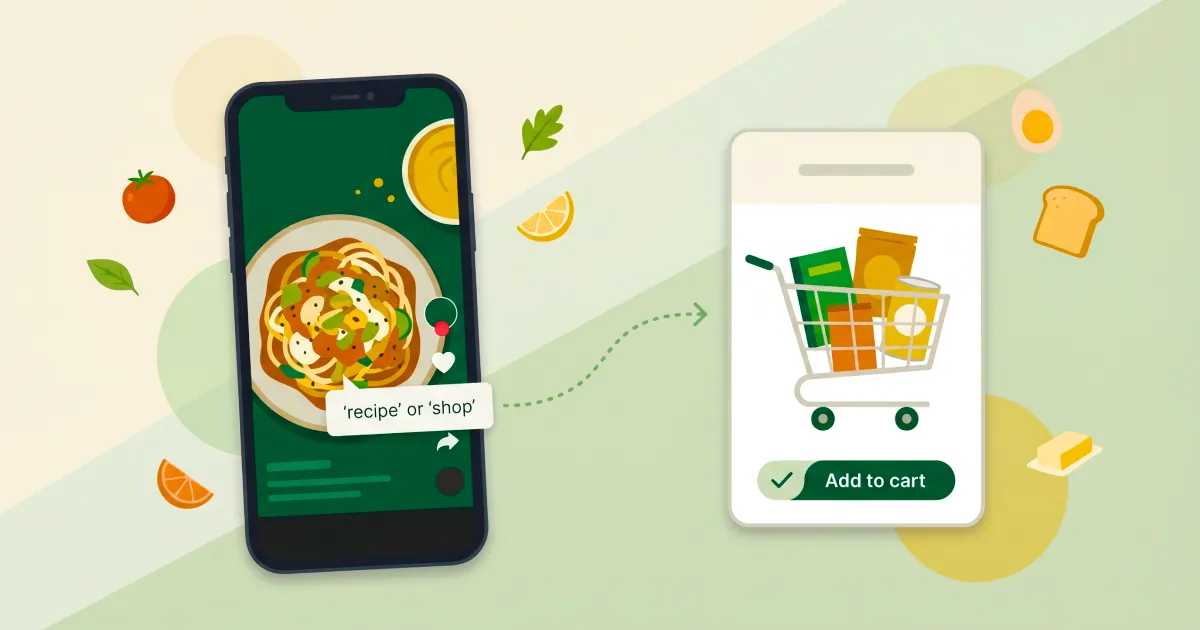
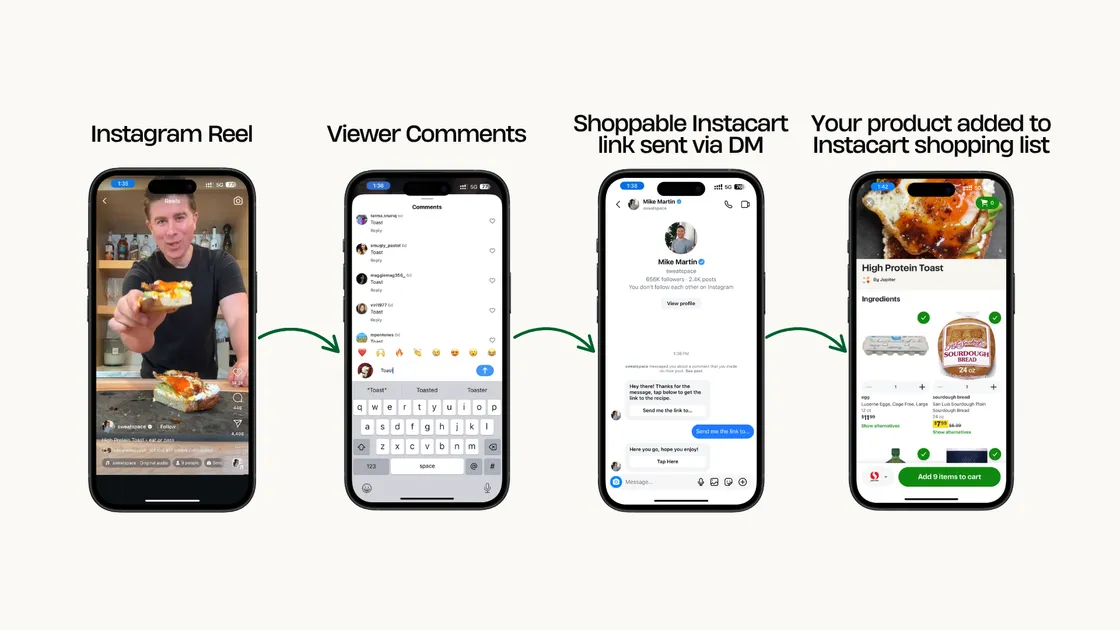
Most influencer content can't prove it drove a grocery sale. Instacart-connected attribution closes that gap. Here's how the mechanic works.
Read post
6/24/2026 - 5 min read
CPM tells a food brand how cheaply it bought attention. It says nothing about whether anyone bought the product. As grocery attribution improves, the benchmark that matters is shifting from cost per impression to cost per action.
Read post
6/24/2026 - 5 min read
Most influencer reporting stops at impressions and engagement. For a food CPG brand, the only number that matters is whether the product actually left the shelf, and that requires a different kind of campaign design.
Read post
6/12/2026 - 8 min read
Cost per engagement measures the real efficiency of influencer campaigns beyond vanity metrics. Here's how CPG brands calculate CPE, interpret benchmarks by platform and creator tier, and optimize campaigns to improve performance.
Read post
5/19/2026 - 9 min read
A creator posts about your product on Tuesday. Someone buys it at Kroger on Thursday. Standard attribution never connects those two events. Here is how AI does.
Read post
5/12/2026 - 8 min read
Most influencer reporting dashboards were built for DTC brands with a Shopify checkout. CPG brands sell through grocery retail and Instacart, which means the standard reporting playbook measures the wrong things. Here is what to actually track.
Read post
4/28/2026 - 9 min read
Instacart is the highest-converting attribution layer in food influencer marketing, but most CPG brands run campaigns that fail to capture the demand. Here's the end-to-end playbook for running an Instacart-attributed influencer campaign that actually drives shopping list adds.
Read post
4/23/2026 - 5 min read
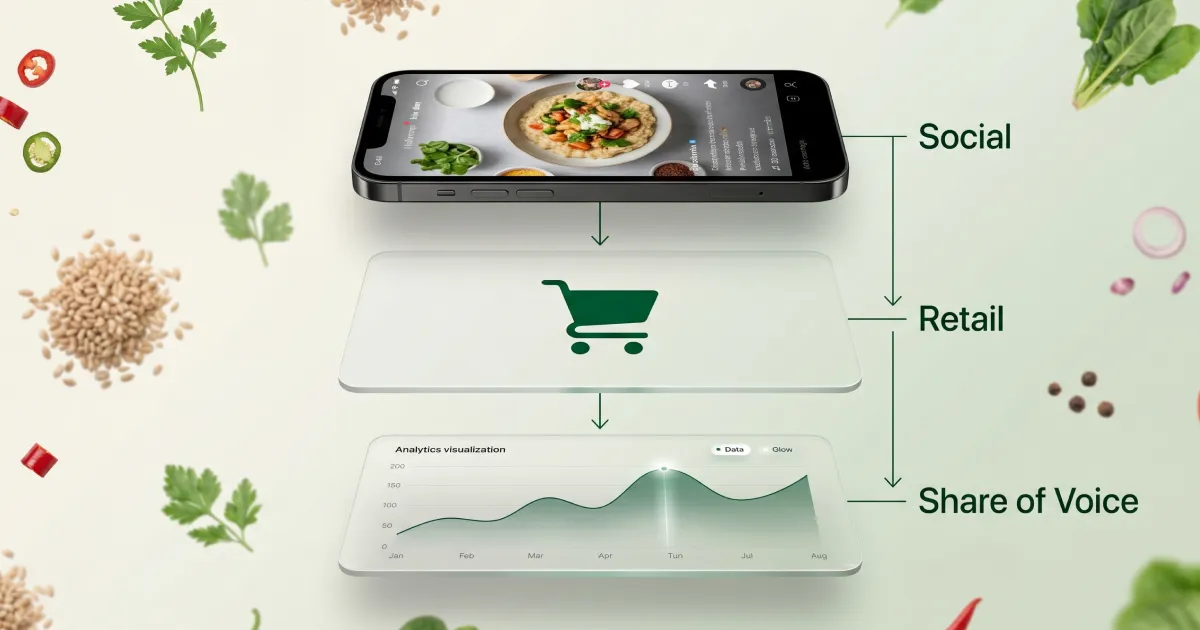
Most CPG brands measure influencer marketing with impressions and engagement rate. Here's the four-layer attribution framework that connects creator content to actual retail sales, including Instacart.
Read post