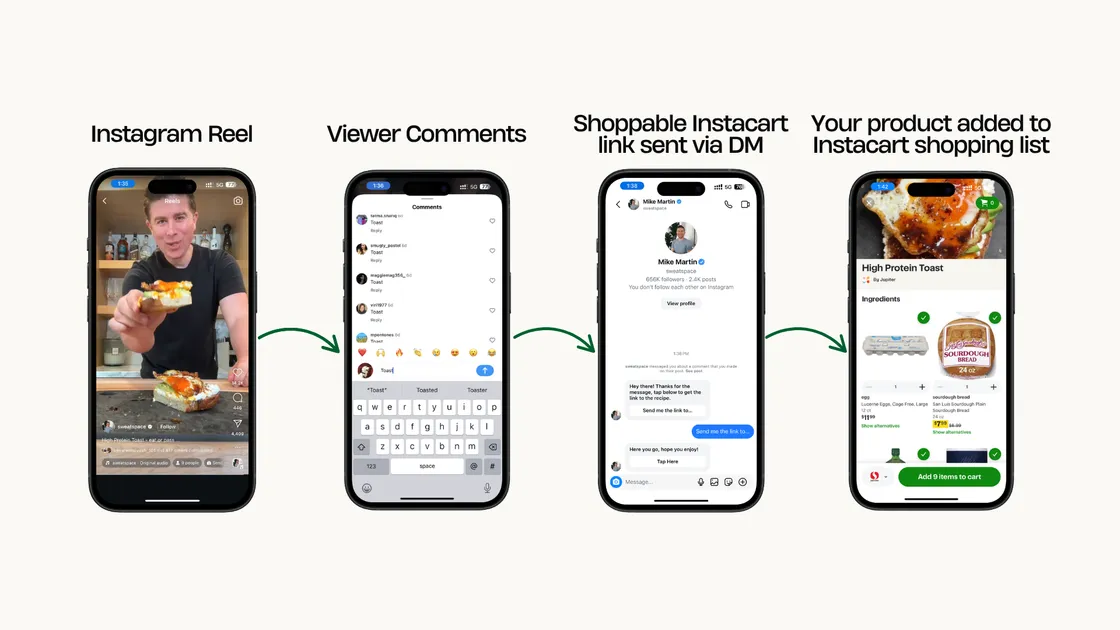
Receipt Verification Turns In-Store Trial Into Provable Creator-Driven Sales
In-store trial has always been the attribution layer marketers trusted least, because it was the hardest to prove. A receipt changes that.
Trusted by leading CPG brands















On this page
▼
- Receipt verification replaces trust with documentation
- A receipt proves the sale, not the cause
- Receipts and baselines answer different questions
- Creator tier decides whether the trial number is worth verifying
- In-store trial works best inside a retailer-specific strategy
- The hardest layer to measure becomes the most concrete
In-store trial is the hardest layer of retail attribution to close. There is no pixel at a Kroger checkout. No cart-add event when someone picks a product off a shelf because a creator told them to try it. For years, brands running in-store trial campaigns had one option: trust that people showed up and bought something.
Receipt verification changes that.
Receipt verification replaces trust with documentation
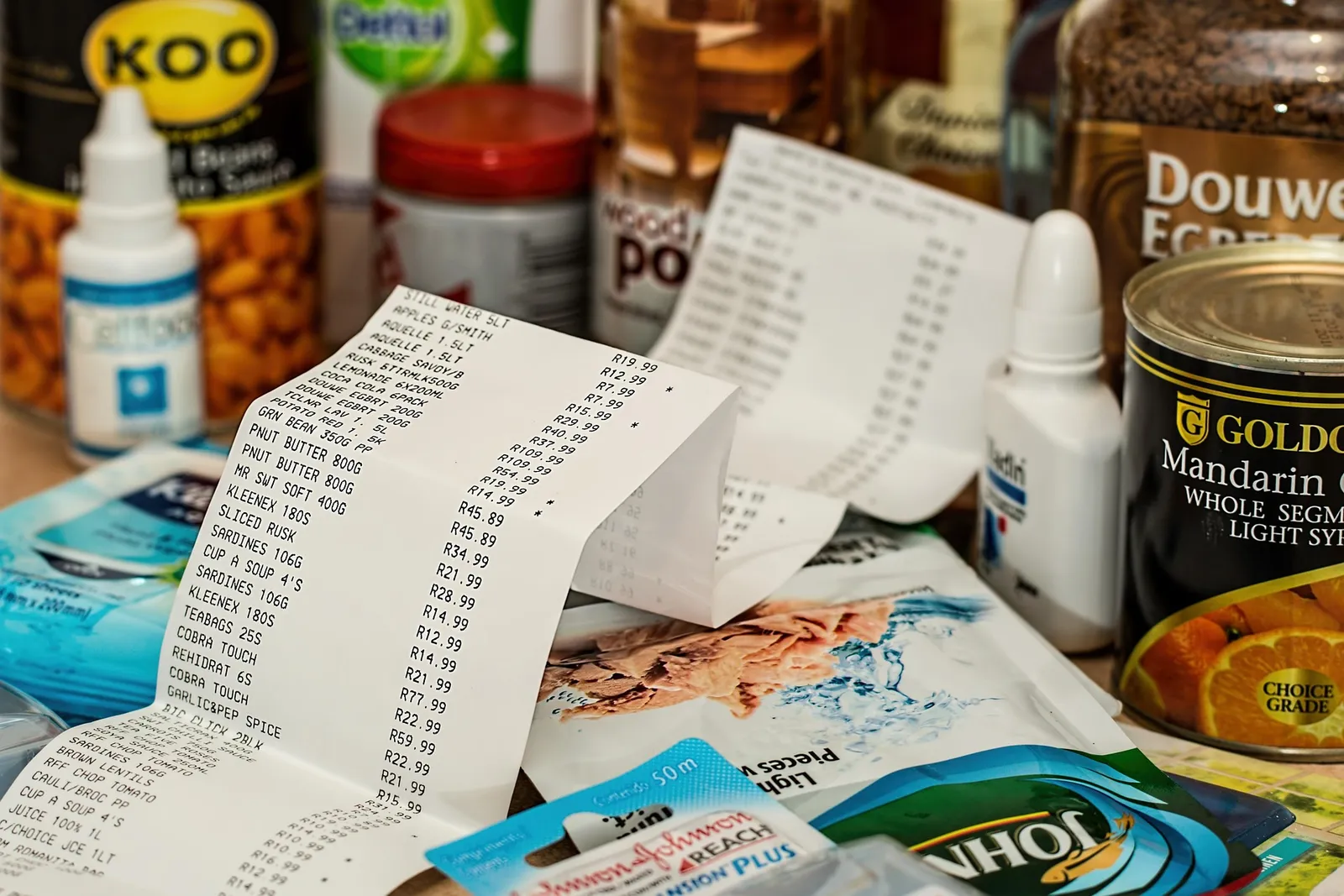
Creators running in-store trial campaigns on Jupiter submit purchase receipts as proof that a real transaction happened: a real shopper, a real store, a real SKU. It is not a self-reported engagement number or a survey response. It is a receipt.
This matters because in-store trial has always been the layer marketers trusted least, precisely because it was hardest to prove. Receipt verification does not make the number bigger. It makes the number real. That is the same shift described in moving from modeled to verified creator-driven sales data.

See how receipt-verified trial campaigns run end to end
From creator selection through receipt collection and reporting, in a single workflow built for food and beverage CPG brands.
A receipt proves the sale, not the cause
A verified receipt proves a purchase happened. It does not by itself prove the campaign caused it. In-store trial results should be read against a baseline, using the discipline covered in our framework for measuring campaign lift against baseline. Brands with SPINS access can go further and map creator campaigns directly to retail sales lift.
Receipts and baselines answer different questions
That combination is what makes in-store trial reportable to a retail buyer. A receipt establishes the transaction, and the baseline comparison establishes the contribution. Presenting one without the other invites the obvious objection, which is that the product might have sold anyway.
Pair verified trial data with real creator reach
Access vetted food creators with the audience size in-store trial campaigns actually require.
Creator tier decides whether the trial number is worth verifying
Platforms built around nano creators, with audiences of a few hundred to a few thousand, can generate posts but minimal actual reach. In-store trial campaigns need enough real audience exposure to produce a trial number worth verifying in the first place. Reach without a real audience behind it is not a trial campaign. It is a content exercise with a receipt requirement attached.
This is one of the clearest structural differences in the Jupiter and Hummingbirds comparison, where a hyperlocal receipt-verification network and a food-and-beverage-exclusive attribution platform approach related problems from opposite directions.
The practical consequence is that creator tier and verification requirements have to be decided together. Requiring receipts from creators whose posts reach a few hundred people produces documentation of a campaign that barely happened.
In-store trial works best inside a retailer-specific strategy
In-store trial rarely runs in isolation. It performs best alongside retailer-specific creator strategy, because shopper behavior differs meaningfully by chain. Our regional grocery playbook covers why a campaign built for a national retailer does not translate to H-E-B, Wegmans, or Meijer without rethinking the local-first angle.
The hardest layer to measure becomes the most concrete
Every attribution layer in grocery has a trust problem: no closed loop, no pixel, no automatic proof. In-store trial has the worst version of that problem, until you require a receipt. Then it becomes the layer with the most concrete evidence of all, because a receipt is considerably harder to fake than an impression count.
Prove your in-store trial results, do not estimate them
Run receipt-verified in-store trial campaigns with creators whose reach justifies the verification effort.
FAQs
Quick answers to common questions.
What is a receipt-verified in-store trial campaign?▼
A receipt-verified in-store trial campaign is one where every claimed in-store purchase is backed by a creator-submitted receipt showing a real transaction at a real retailer. It replaces self-reported or estimated trial results with documented proof of purchase. This makes in-store trial measurable in a way that impressions and engagement data cannot achieve.
How does in-store trial compare to Instacart-attributed campaigns on cost and measurability?▼
Instacart attribution captures purchase intent automatically through trackable links, making it cheaper to measure at scale. In-store trial requires receipt collection, which adds operational effort but reaches shoppers who buy in physical stores rather than through delivery. Most brands run both because they cover different shopper behaviors.
Why is in-store trial harder to measure than online attribution?▼
There is no checkout pixel or cart-add event at a physical retail register. Historically there has been no automatic way to confirm that a creator-driven store visit resulted in a purchase, which left brands relying on regional velocity correlation or creator self-reporting.
Does a verified receipt prove the campaign caused the sale?▼
Not on its own. A receipt confirms the transaction occurred. Establishing that the campaign drove it requires comparing results against a baseline, which is why lift measurement sits alongside receipt verification rather than replacing it.
How does this compare to nano-creator receipt-verification networks?▼
Receipt verification proves a purchase happened but does not guarantee the campaign reached a meaningful audience. Pairing receipt verification with medium and large creator reach means the trial number reflects both real audience exposure and a real, documented purchase.
What creator tier works best for in-store trial campaigns?▼
Medium and large creators generally produce stronger in-store trial results because the campaign needs enough genuine audience exposure to generate trial worth verifying. Nano creators can produce posts, but often with minimal actual reach behind them.
More in Attribution & Measurement
More from Attribution & Measurement.