How to Find Micro-Influencers in Your Food Category and What to Pay Them
9/30/2026
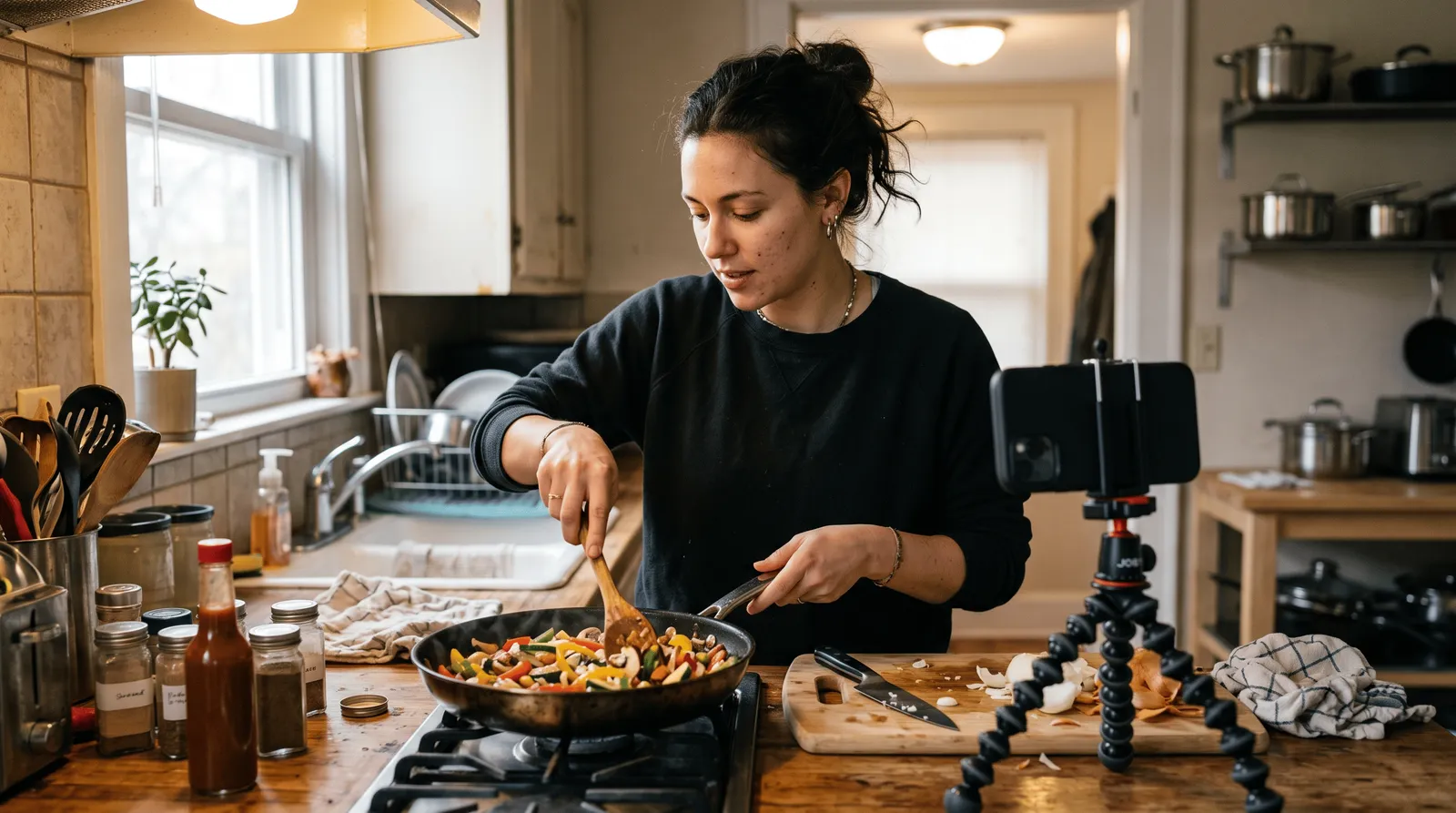
Finding micro-influencers is easy. Finding the ones whose audience actually buys in your category, and paying them in a way that holds up, takes a process.
Read post9/30/2026
Finding micro-influencers is easy. Finding the ones whose audience actually buys in your category, and paying them in a way that holds up, takes a process.
Read post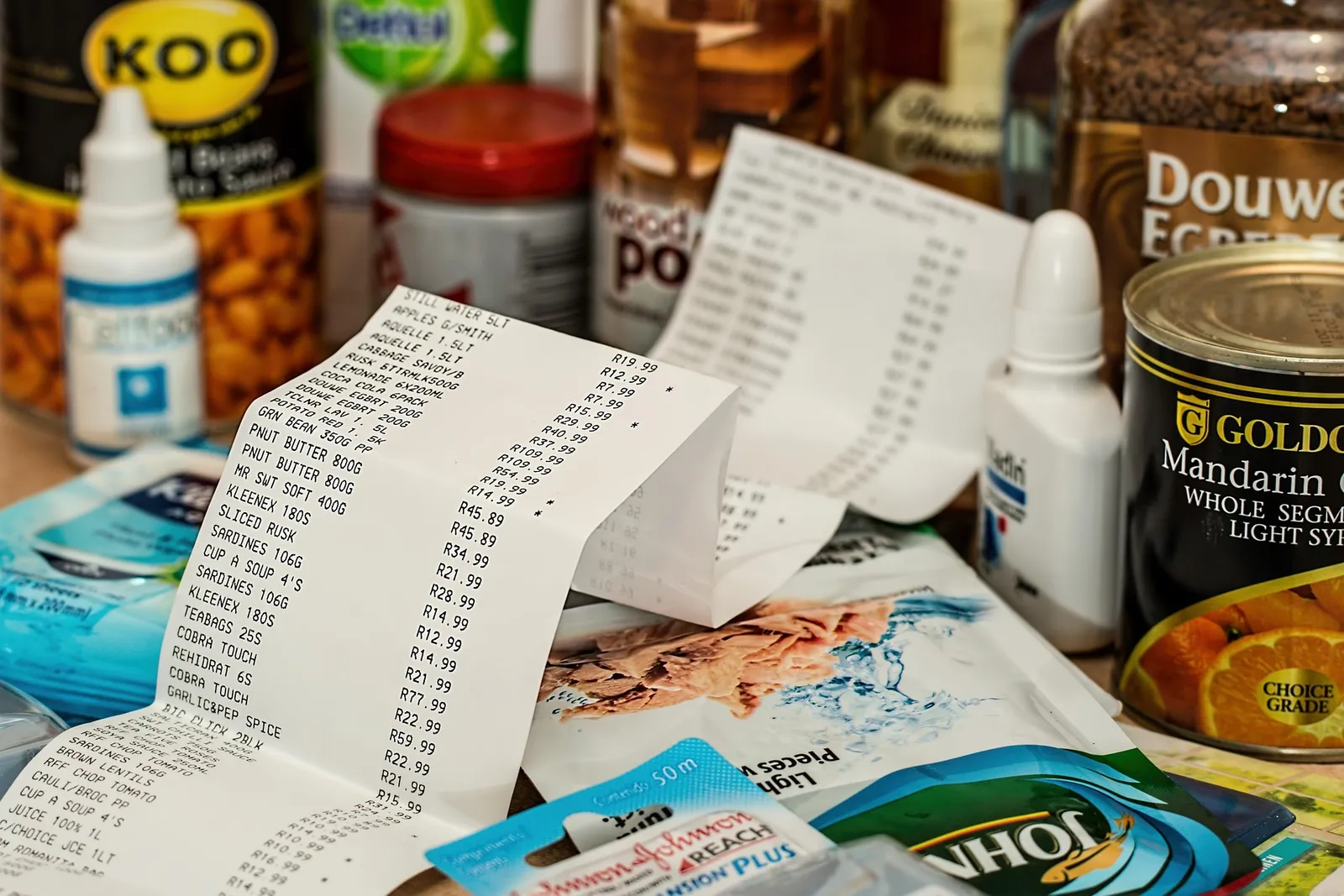
9/3/2026
In-store trial has always been the attribution layer marketers trusted least, because it was the hardest to prove. A receipt changes that.
Read post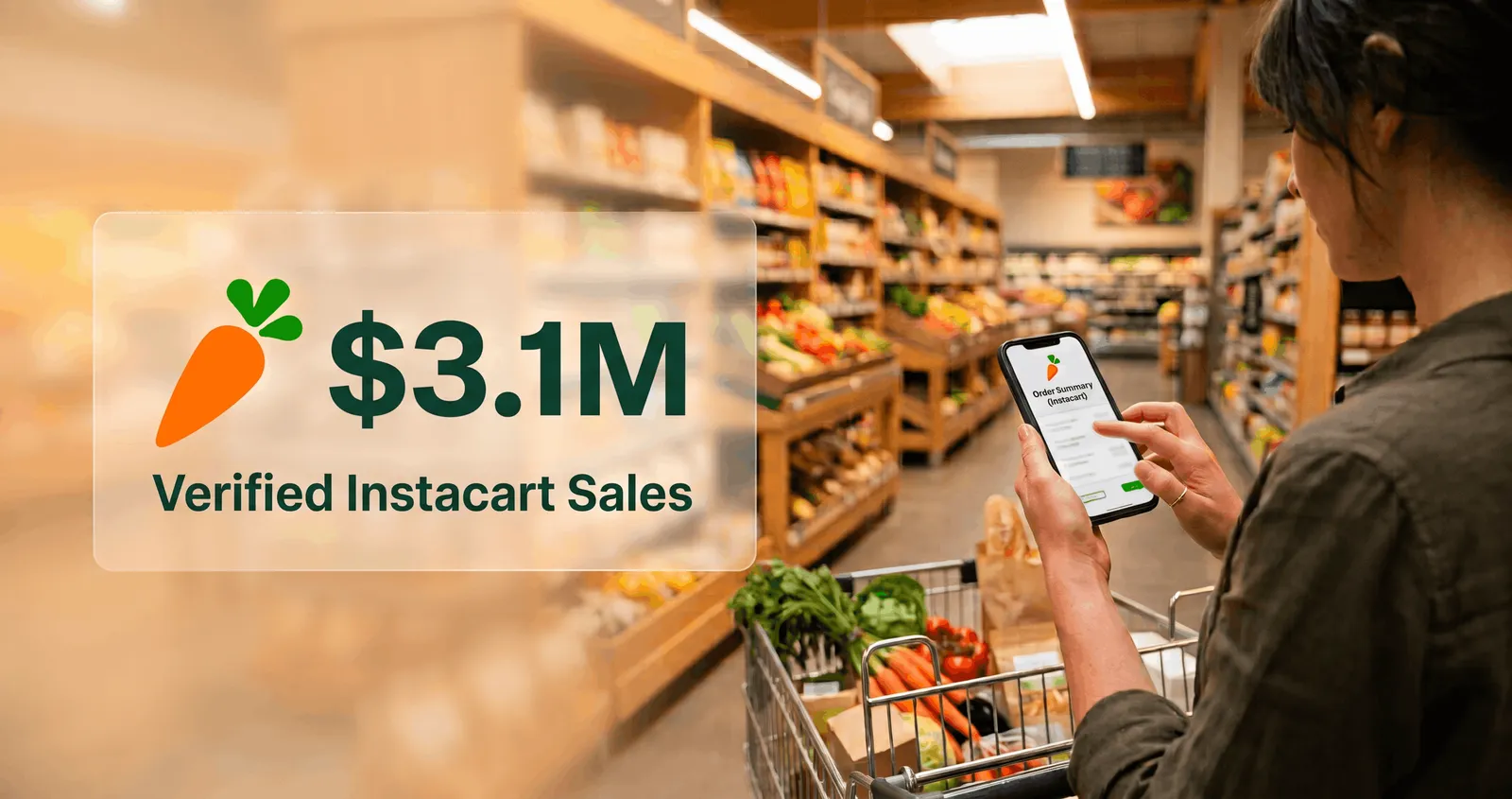
9/3/2026
Most influencer reports end with an impressions number. This one ends with a sales number, and every dollar of it is traceable to a specific creator post.
Read post
8/4/2026
A CPG social media agency and an in-house creator program are not the same decision at every stage of a brand's growth. Here's the framework food and beverage marketing teams use to choose, and what changes if you choose wrong.
Read post
8/4/2026
Instagram influencer pricing for food CPG brands is set by expected views, not follower count. Here is how per-post rates are built, what moves them, and how to check whether a quote is fair before you sign.
Read post
7/27/2026
Agencies buy influencer software on different criteria than brands do. This guide covers the six capabilities that determine whether a platform makes your team more billable or just adds another login.
Read post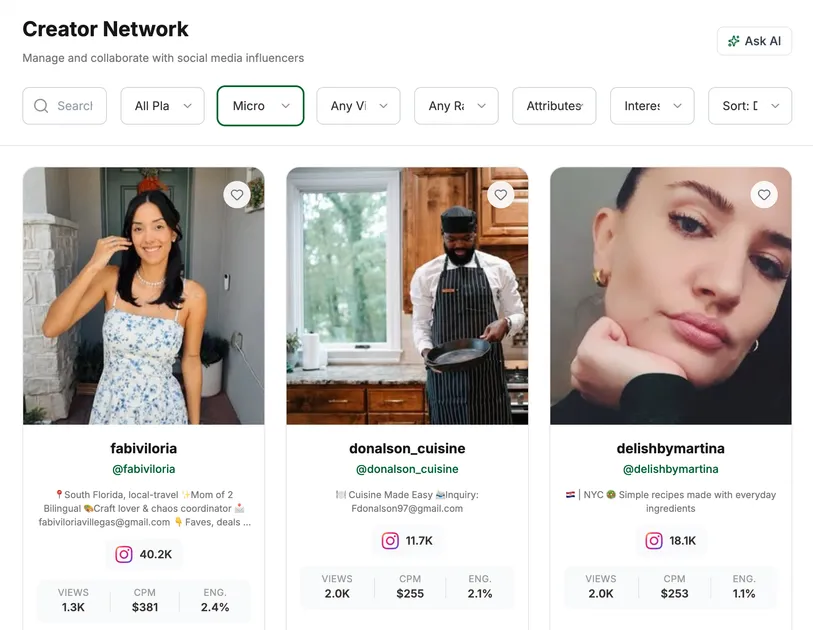
7/21/2026
A platform that lists micro influencers is not the same as a platform built to run a micro-influencer program at scale. Here is what to actually evaluate.
Read post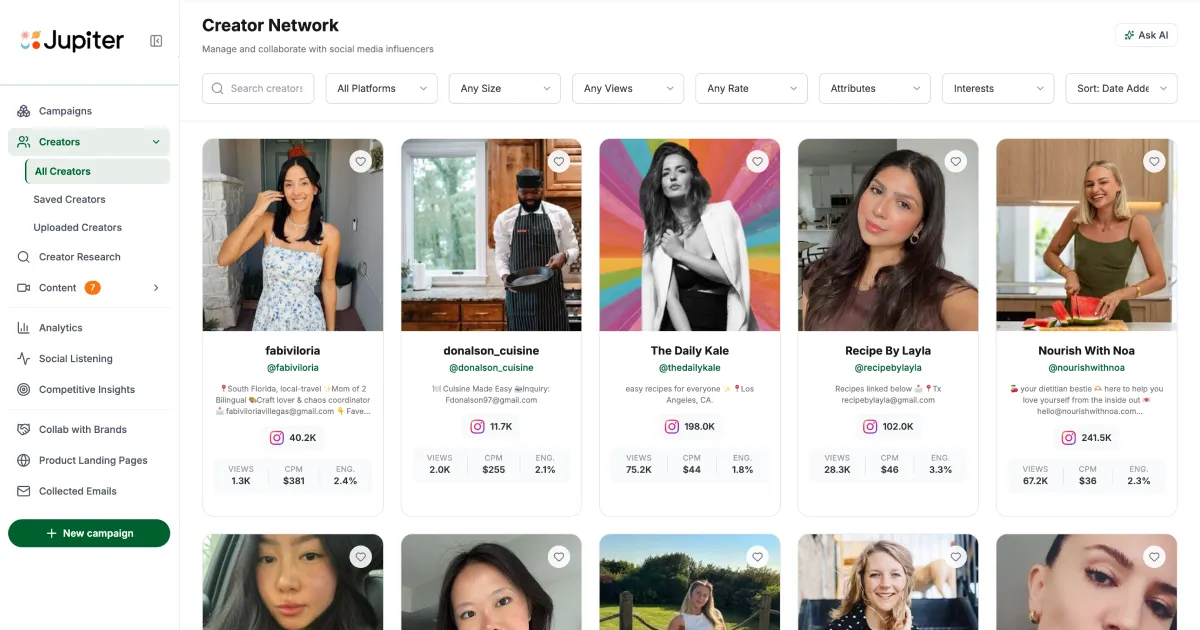
7/21/2026
Not every tool that lists creators can actually run a campaign. Here is the real difference between an influencer database and an influencer marketplace, and which one a food CPG brand needs.
Read post
7/15/2026
An influencer program is not a series of one-off campaigns. It is five connected parts that have to work together, or the campaigns underneath it never compound.
Read post
7/14/2026
Most ambassador program advice is theoretical. Here is what five real food and beverage CPG ambassador programs actually look like in production, from cadence to graduation.
Read post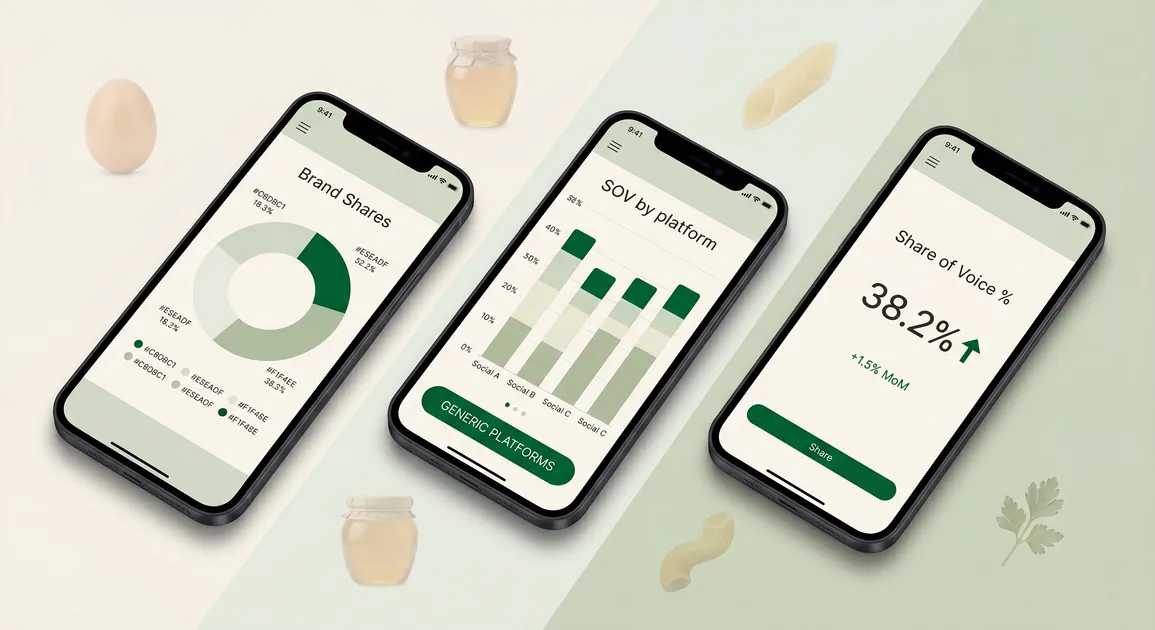
7/14/2026
Share of voice tells food CPG brands whether their category conversation is growing or shrinking relative to competitors. This guide covers the formula, the metrics that matter, and how modern platforms automate what used to take weeks.
Read post
6/18/2026
Food and beverage CPG brands evaluating influencer marketing agencies face a structural choice: pay for full-service creative management, or use an AI-powered platform built for the grocery retail purchase journey. Here is how to think through it.
Read post
6/16/2026
Hiring influencers for a food CPG brand is not the same as hiring influencers for a DTC brand. The creators you need drive purchase behavior at Whole Foods, Kroger, and Instacart — not just engagement on a feed.
Read post
6/16/2026
CPG influencer marketing is how food and beverage brands use social media creators to drive product discovery and purchase at grocery retail. This guide covers everything: creator selection, campaign structure, attribution, and what separates brands that get results from brands that waste budget.
Read post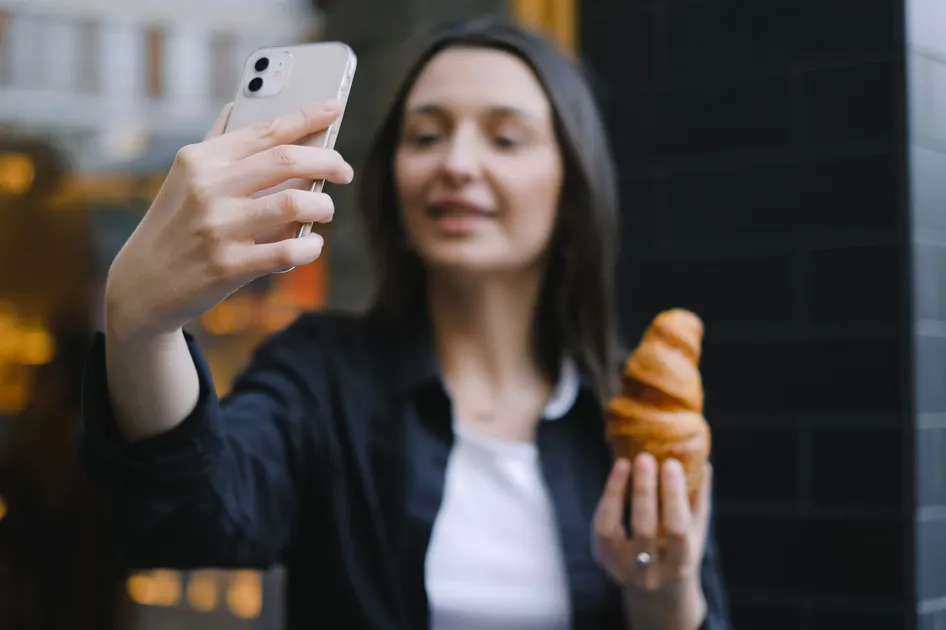
6/16/2026
Influencer marketing for CPG brands is not the same discipline as influencer marketing for DTC companies. The purchase journey is different, the creators are different, and the measurement question is different. This guide covers what actually works for food and beverage brands selling through grocery retail.
Read post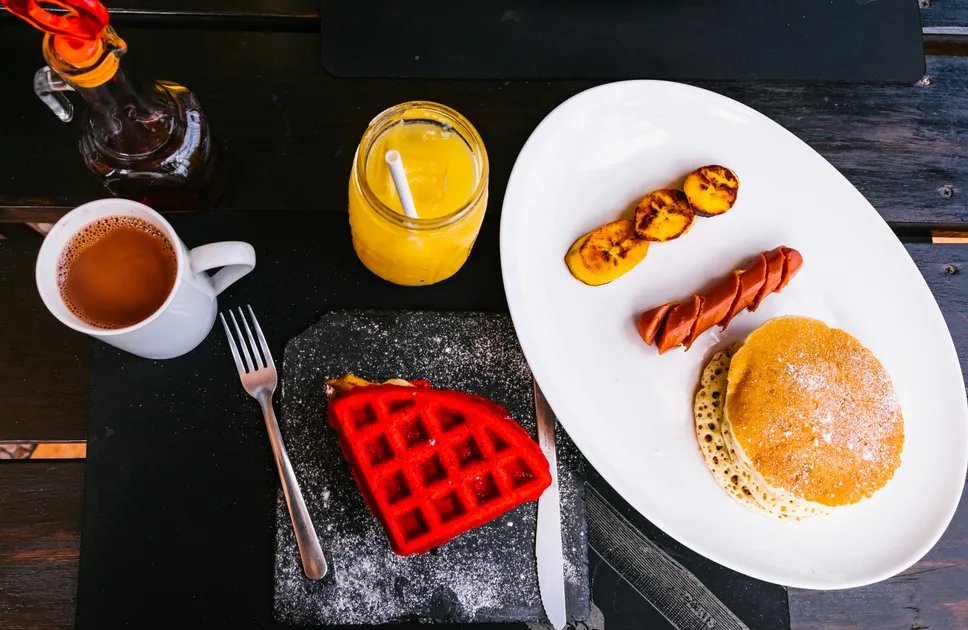
6/9/2026
A brand collaboration campaign is not a compromise. When the product complementarity is right, two CPG brands co-funding one creator campaign produce content that is more useful to the consumer and more efficient for both brands than anything either could run alone.
Read post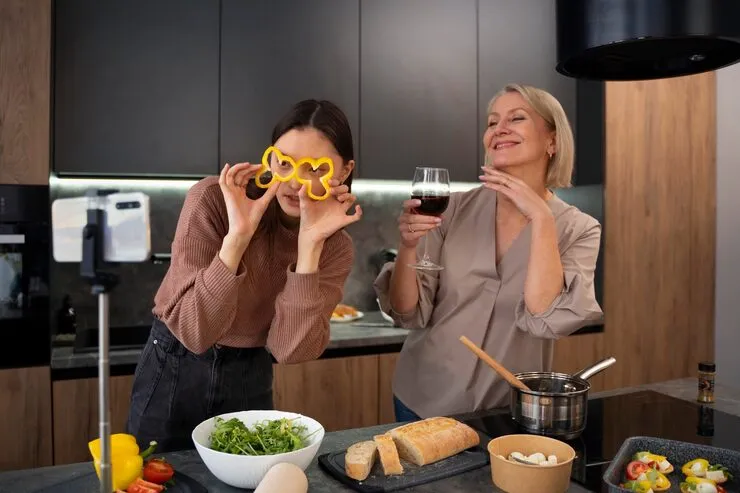
5/21/2026
A food CPG influencer strategy that does not connect to grocery sales outcomes is just a content plan. This 5-phase framework builds the connection from the first decision you make.
Read post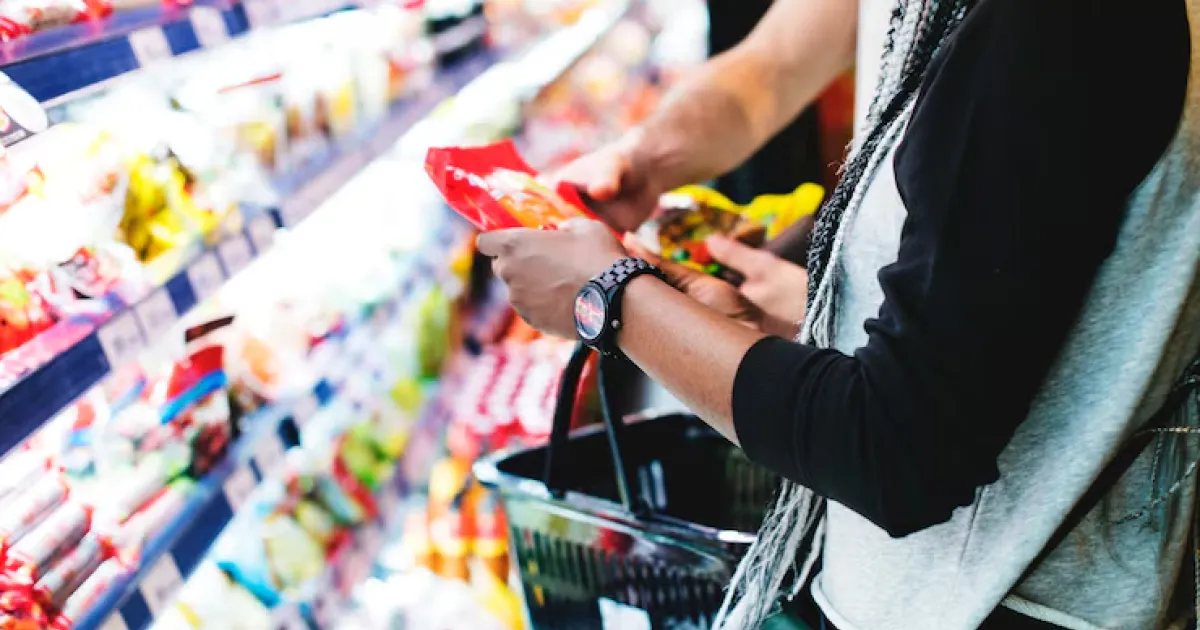
5/18/2026
Most influencer platforms were built for brands that own their checkout. Grocery brands do not, and that changes everything from creator selection to how you measure ROI. This is the complete playbook.
Read post
5/15/2026
Instagram still delivers 73.7% of impressions from food CPG creator campaigns, but most brands are measuring the wrong things. Here is the complete guide to running Instagram influencer marketing that connects creator content to grocery sales, not just engagement rates.
Read post
5/13/2026
A macro creator with 1 million followers and a micro creator with 40,000 followers cost very different amounts per post. But cost per impression and cost per grocery sale are different calculations entirely. Here is why micro influencers consistently outperform their larger counterparts for food CPG brands, and the three ways to deploy them effectively.
Read post
5/12/2026
Upfluence is a widely used influencer marketing platform built for e-commerce brands. Jupiter is built exclusively for food and beverage CPG brands selling through grocery retail and Instacart. Here is an honest comparison of both, covering creator discovery, attribution, retailer targeting, pricing, and which platform drives the ROI that food CPG marketing teams actually need to show.
Read post
5/12/2026
Jupiter and Archive are both described as creator marketing platforms, but they solve fundamentally different problems. Archive captures and organizes content creators have already posted. Jupiter manages campaigns from brief to Instacart attribution. For food CPG brands evaluating both, understanding the distinction saves significant time and budget.
Read post
5/12/2026
Most influencer reporting dashboards were built for DTC brands with a Shopify checkout. CPG brands sell through grocery retail and Instacart, which means the standard reporting playbook measures the wrong things. Here is what to actually track.
Read post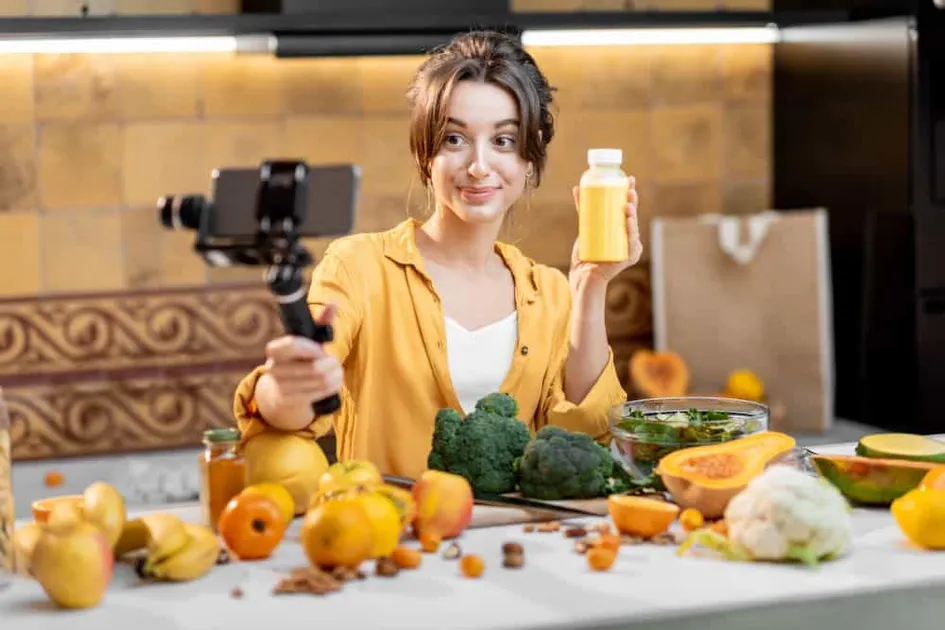
5/12/2026
The best brand ambassadors are graduated from past campaign creators, not cold-recruited. Here is how food and beverage CPG brands build long-term ambassador programs that compound performance across multi-month cycles, with specific structure, creator selection, and measurement frameworks.
Read post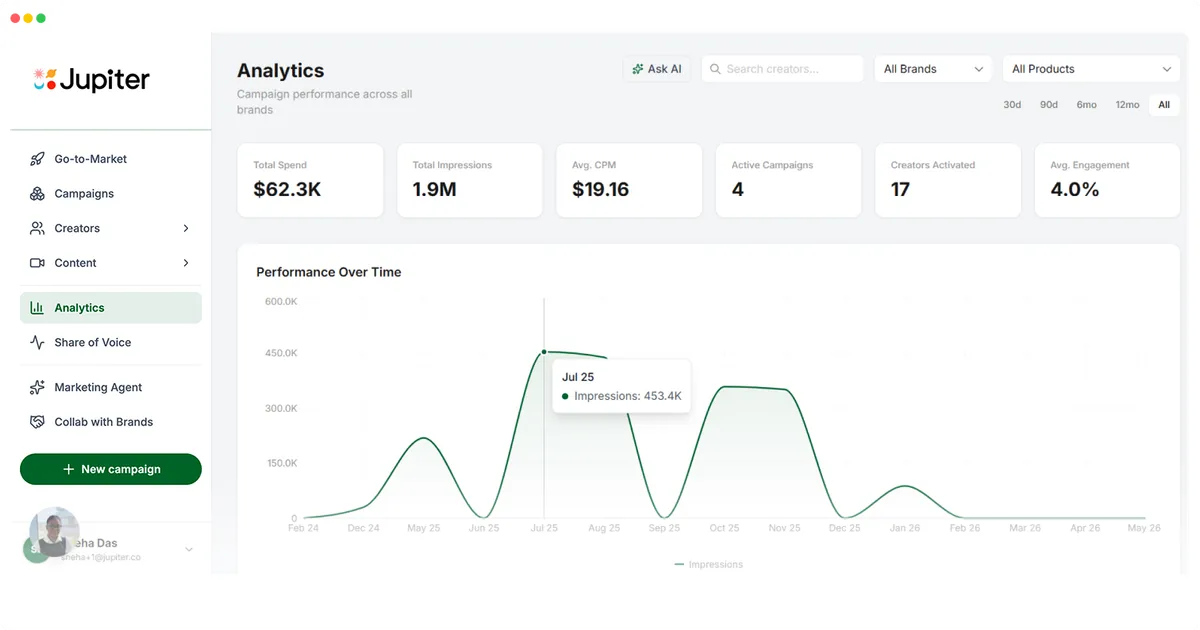
5/12/2026
The software vs agency decision shapes every influencer campaign that follows. Here is a frank framework for food and beverage CPG brands evaluating both, with specific guidance on which fits brands at different stages of growth.
Read post