How to Find Micro-Influencers in Your Food Category and What to Pay Them
Finding micro-influencers is easy. Finding the ones whose audience actually buys in your category, and paying them in a way that holds up, takes a process.
Start from the content, not the follower count: look for creators already making the kind of food content your product fits into, check that their audience lives where your product is sold, and confirm recent, real engagement. For pay, most food CPG micro-influencer programs use a flat fee, a gifted or seeding arrangement, an affiliate commission, or a hybrid. Across Jupiter's food CPG campaigns, delivered costs range from $1.25 to $12.67 CPM depending on category and structure.
Key takeaways
- Search by the content a creator already makes, not by generic food or lifestyle labels.
- Check that a creator's audience overlaps with the stores and regions where the product is actually sold.
- Recent, real engagement matters more than historical reach for micro creators.
- Choose a payment model that fits the goal: seeding for volume, flat fee for guaranteed content, affiliate or hybrid for sales-linked programs.
Trusted by leading CPG brands













Every food brand knows micro-influencers can outperform bigger creators on trust and cost. The harder part is finding the right ones for a specific category, and then settling on a fair price without overpaying for reach that won't convert. This guide covers both.
Step 1: Define what category fit actually means
A creator who posts about food is not automatically a fit for a hot sauce, a frozen meal, or a sparkling water. Category fit means the creator already makes content your product slots into naturally. Write down three or four content patterns that match:
A hot sauce brand fits creators who cook spicy dishes, do heat challenges, or build weeknight meals around bold flavor.
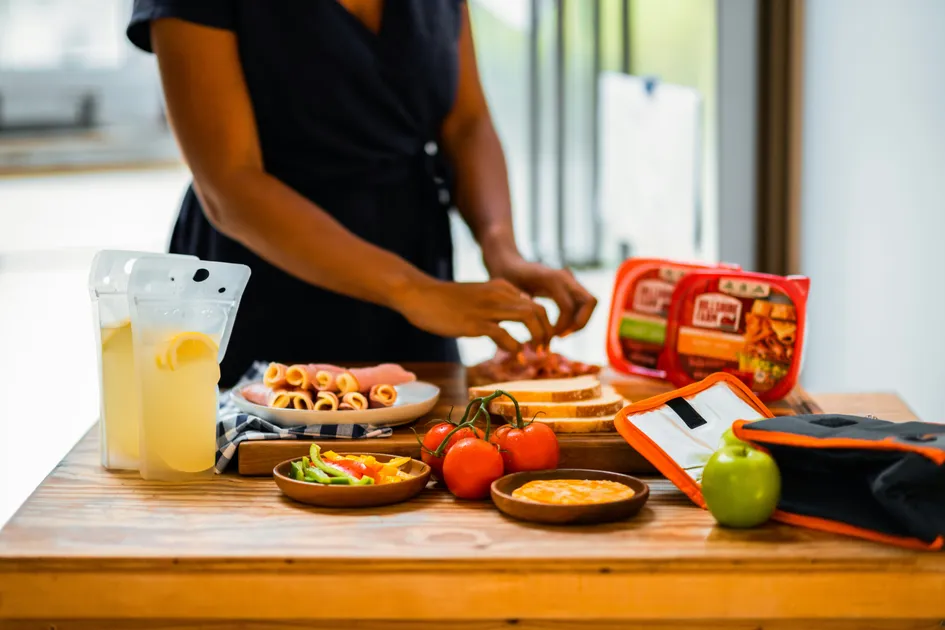
A kids' snack brand fits creators doing lunchbox prep, family routines, and after-school snack ideas.
A protein-forward pantry brand fits meal-prep creators and fitness cooks, not general dessert bakers.
A premium beverage fits creators whose content is about hosting, mocktails, or wellness routines.
This list becomes your search brief. It is more useful than any follower range.
Step 2: Search where category content already lives
Search recipe and dish keywords on TikTok and Instagram rather than brand or influencer hashtags. The creators ranking for 'easy weeknight chili' are a better lead list than those tagging #foodie.
Look at who already tags or mentions competitor brands in your category. They have shown they create for this shelf.
Check comment sections on category content for smaller creators who engage with the topic and have their own audience.
Use a discovery tool that filters by content interest and audience attributes, not just follower count and niche labels.
A deeper version of this process is in How to Find Influencers for Your Brand.
Step 3: Vet for audience location and real engagement
Two checks matter most for micro creators in food. First, does the audience live where your product is sold? A creator with a strong audience in the Pacific Northwest does little for a brand distributed only in Texas H-E-B stores. Second, is engagement recent and real? Look at the last several posts, not the best-performing one from last year. Comments that ask where to buy something, or say they made the recipe, are worth more than generic praise.

Finding category creators by hand takes weeks.
Jupiter's network of 1,000+ vetted food and recipe creators is filterable by content interest, audience location, and engagement pattern.
Step 4: Choose a payment model that fits the goal
Model | How it works | Best for |
|---|---|---|
Gifted or product seeding | Product sent with no guaranteed post | Volume, organic word of mouth, finding future partners |
Flat fee | Fixed payment for agreed deliverables | Guaranteed content on a timeline, launches |
Affiliate or commission | Creator earns on sales through their link | Always-on programs, Instacart or ecommerce distribution |
Hybrid | Smaller flat fee plus commission | Balancing guaranteed content with sales motivation |
CPM-based | Paid on views delivered | Reach-focused campaigns with predictable cost |
Micro creators often prefer some guaranteed payment for real production work. Pure commission deals can work for creators already selling products, but tend to reduce participation for creators who mainly make recipe content.
Step 5: Benchmark what you pay
Rates vary by platform, category, deliverable, and usage rights, so a single per-post number is less useful than a delivered-cost benchmark. Across Jupiter's food CPG campaigns, delivered costs range from $1.25 to $12.67 CPM depending on category and structure. Platform and tier detail lives in the Influencer Pricing Guide for Food & CPG Brands.
Pay more for usage rights if you plan to run the content as ads.
Pay more for recipe development and multiple assets, less for a single mention.
Pay for exclusivity only when the category is crowded enough that it matters.
Common mistakes
The most common mistake is filtering by follower range first and category fit second, which fills a roster with creators who reach people but not buyers. The second is ignoring audience location for a regionally distributed product. The third is offering commission-only deals to recipe creators and then reading low participation as lack of interest.
Used by 58+ leading CPG brands including Banza, Pete & Gerry's, and Kettle & Fire.
See how Jupiter builds a category-fit micro creator roster and prices it against real delivered-cost benchmarks.
FAQs
Quick answers to common questions.
How do I find micro-influencers in my food category?▼
Search recipe and dish keywords your product fits into, look at creators who already mention competitor brands, and use a discovery tool that filters by content interest and audience location rather than follower count alone.
How much should I pay a micro-influencer for food content?▼
It depends on deliverables, platform, and usage rights. Across Jupiter's food CPG campaigns, delivered costs range from $1.25 to $12.67 CPM depending on category and structure.
Should I pay micro-influencers or just send free product?▼
Seeding works for volume and discovery. When you need guaranteed content on a timeline, a flat fee or hybrid model is more reliable.
Do affiliate-only deals work with micro-influencers?▼
They work best with creators who already sell products and for brands with easy online purchase paths. Recipe-focused creators usually expect some guaranteed payment.
What matters more than follower count when choosing micro-influencers?▼
Category fit, audience location matching your distribution, and recent real engagement such as comments asking where to buy or saying they made the recipe.
More in Creator Selection & Pricing
More from Creator Selection & Pricing.