Instacart Ads and Sponsored Ingredient Placements Intercept Shoppers at Different Moments
Both are retail media. One reaches shoppers already searching, the other reaches them while they are deciding what to cook. That difference changes where budget should go.
Trusted by leading CPG brands









On this page
▼
- Retail media networks intercept shoppers who are already shopping
- The two formats compared side by side
- Placement timing decides whether you are creating demand or competing for it
- Retail media and creator budgets should not be separate line items
- Choosing between them comes down to which question you are answering
Every CPG brand doing retail media eventually asks the same question: should the budget go to Instacart Ads, Kroger Precision Marketing, or something newer like a sponsored ingredient placement inside a recipe? These formats are not competing for the same moment in the shopper's journey, and understanding the difference changes where budget should actually go.
Retail media networks intercept shoppers who are already shopping
Instacart Ads and Kroger Precision Marketing are both retail media networks operating at the search and browse stage. A shopper opens the app, searches for olive oil, and a sponsored listing appears above the organic results. The shopper is already shopping. The brand is paying to be seen first.
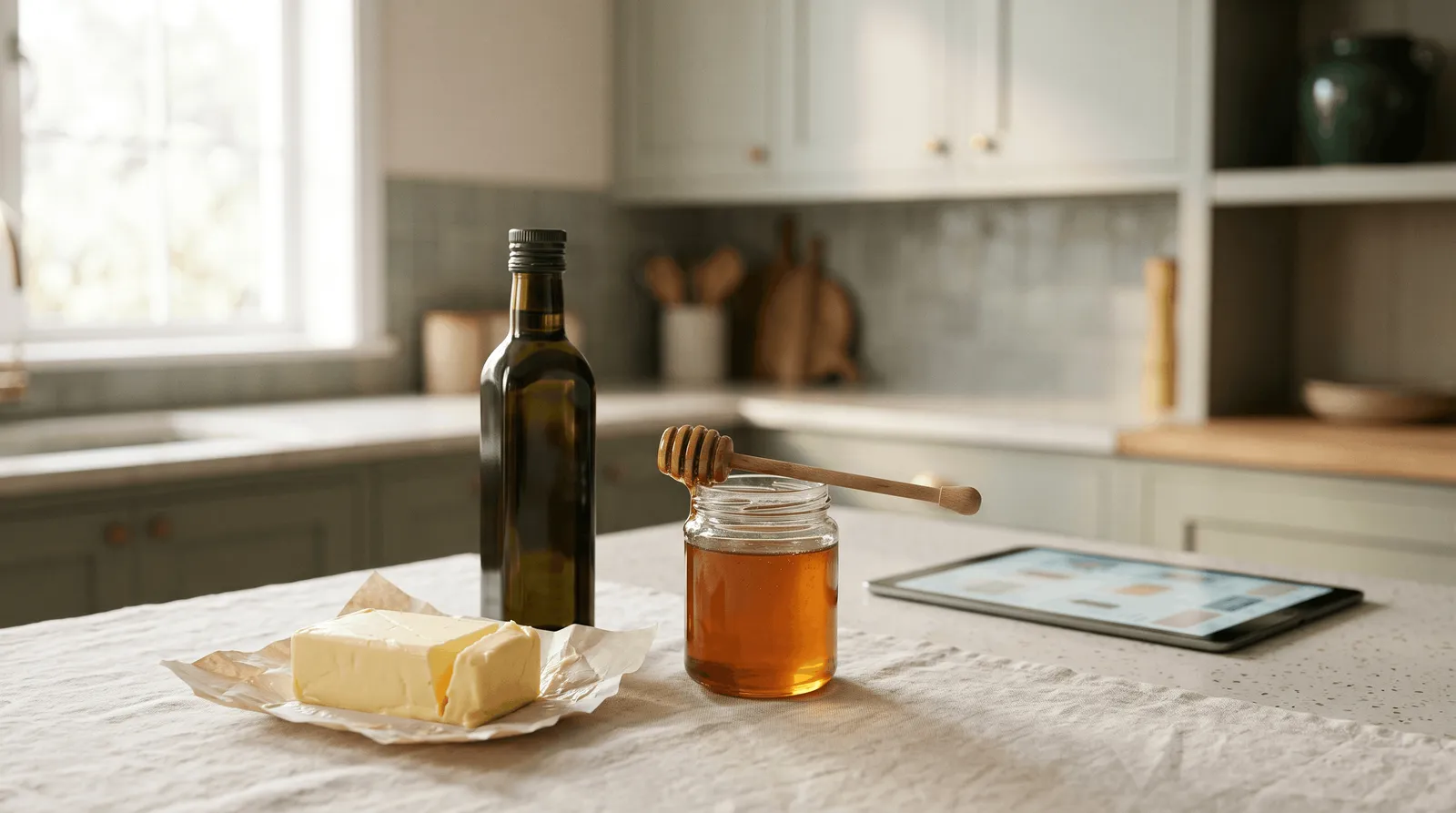
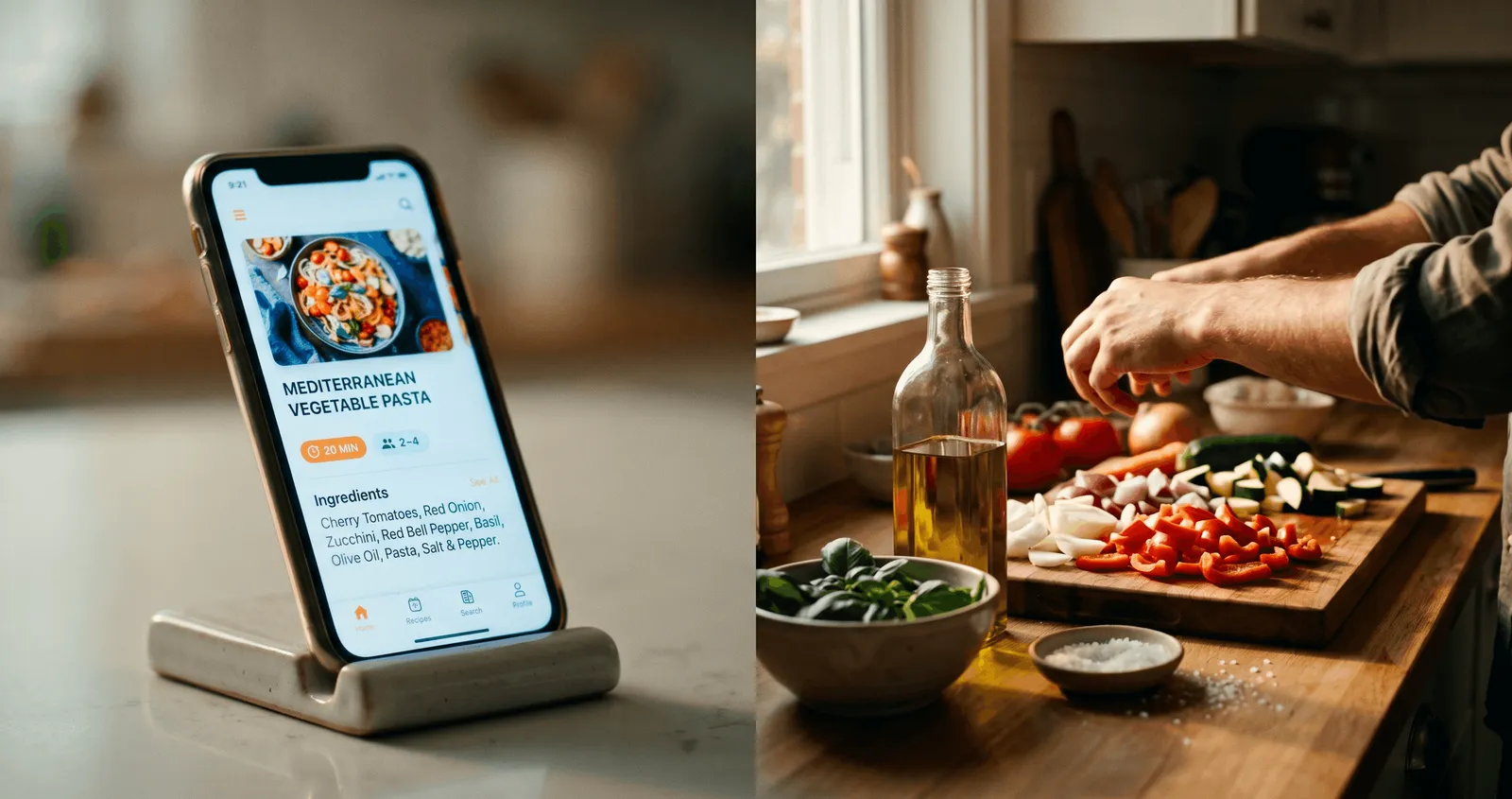
Sponsored ingredient placements work earlier. They live inside a food creator's recipe, at the moment someone decides they are making a dish tonight and scans the ingredient list. There is no search query yet and no app open. There is a moment of cooking inspiration, with the product already inside it. We covered the full mechanic in The New Kitchen Aisle.
The two formats compared side by side
Instacart Ads / Kroger Precision Marketing | Sponsored Ingredient Placements | |
|---|---|---|
Where it intercepts the shopper | Search and browse, inside the retailer app | Content creation stage, inside a recipe |
Shopper intent at that moment | Actively comparing options | Deciding what to cook, not yet shopping |
Pricing model | Typically CPC or CPM bid-based | Performance-tied to shop clicks and add-to-carts |
Competitive exposure | Competing against other sponsored listings in the same search | Owns the ingredient category across an entire creator network |
Content lifespan | Ad impression, gone after the session | Permanent, indexed recipe page |

See projected GMV before you commit spend
Jupiter's Retail Media dashboard shows ingredient category ownership and add-to-cart data against your actual product catalog.
Placement timing decides whether you are creating demand or competing for it
Retail media networks are valuable, but they arrive late. By the time a shopper searches for pasta sauce in the Instacart app, they have often already decided what they are making. The sponsorship becomes a fight over a decision that has largely been made.
Sponsored ingredient placements sit upstream of that decision. The recipe itself creates the intent to buy a specific ingredient. A brand that owns the ingredient category across a creator network does not need to win a bidding war at the search stage, because its product was already the one recommended in the content that created the demand. That exclusivity mechanic is covered in how ingredient category exclusivity works.
Own an ingredient category competitors cannot outbid
Monthly category exclusivity across a network of 1,000+ food creators, with no competing brand in your ingredient slot.
Retail media and creator budgets should not be separate line items
Retail media and influencer marketing have historically run as separate budgets managed by separate teams. The brands closing that gap are connecting creator content directly to cart adds and retailer landing pages, which we break down in how CPG brands connect retail media and influencer marketing.
Measurement matters here too. If you are comparing formats, compare them on the same metric. Shop clicks give a cleaner signal than raw add-to-cart counts when judging which placement type is actually moving product.
Choosing between them comes down to which question you are answering
Use Instacart Ads or Kroger Precision Marketing to capture shoppers who already know what they want and are actively comparing brands in-app
Use sponsored ingredient placements to be the brand recommended before that search ever happens, especially for ingredient-led categories
Run both to cover the moment of inspiration and the moment of comparison in the same journey
For the wider context on how creator budgets compare against traditional media allocation, see CPG advertising in 2026.
Put your brand in the kitchen, not just the search results
See what sponsored ingredient placements would look like against your product catalog and category.
FAQs
Quick answers to common questions.
What is the difference between Instacart Ads and sponsored ingredient placements?▼
Instacart Ads intercept shoppers during active search and browsing inside the retailer app, after they have already opened it to shop. Sponsored ingredient placements intercept them earlier, inside recipe content, at the moment they decide what to cook. The two formats target different stages of the same purchase journey.
How does pricing compare between Instacart Ads and sponsored ingredient placements?▼
Retail media networks like Instacart Ads and Kroger Precision Marketing are typically priced on a CPC or CPM bid basis, meaning cost rises with competition for the same keywords. Sponsored ingredient placements are performance-tied, priced against shop clicks and add-to-carts rather than impressions. That difference also means smaller brands are not automatically outbid by larger media budgets.
Is Kroger Precision Marketing the same as Instacart Ads?▼
They are both retail media networks operating at the same stage of the shopper journey, search and browse, through different retailers. Sponsored ingredient placements operate at an earlier stage entirely, the content creation stage, before a shopper opens any retailer app.
Can a CPG brand run retail media ads and sponsored ingredient placements together?▼
Yes, and many do. They capture different moments in the purchase journey, one at the point of comparison and one at the point of inspiration. Running both provides coverage across the full path rather than concentrating spend at a single stage.
Which format works better for a smaller CPG brand?▼
Sponsored ingredient placements often suit smaller brands better, because they do not require outbidding larger competitors for visibility in a search results page. Category exclusivity means the placement is not decided by who has the largest media budget.
What product categories are the best fit for sponsored ingredient placements?▼
Products that map cleanly to core cooking ingredients perform best, including oils, sauces, proteins, dairy, grains, and condiments. These appear across the widest range of recipe content, which means a single category placement reaches significantly more relevant recipes.
More in Creator Commerce & Retail Media
More from Creator Commerce & Retail Media.