Why Snack Bar Brands Need Creators Willing to Rank Them Honestly
Protein and snack bar audiences have built an entire genre of blind taste tests and brutally honest macro-to-taste rankings. A brand that briefs soft, one-sided praise is fighting the exact format its own buyers trust least.
Trusted by leading CPG brands




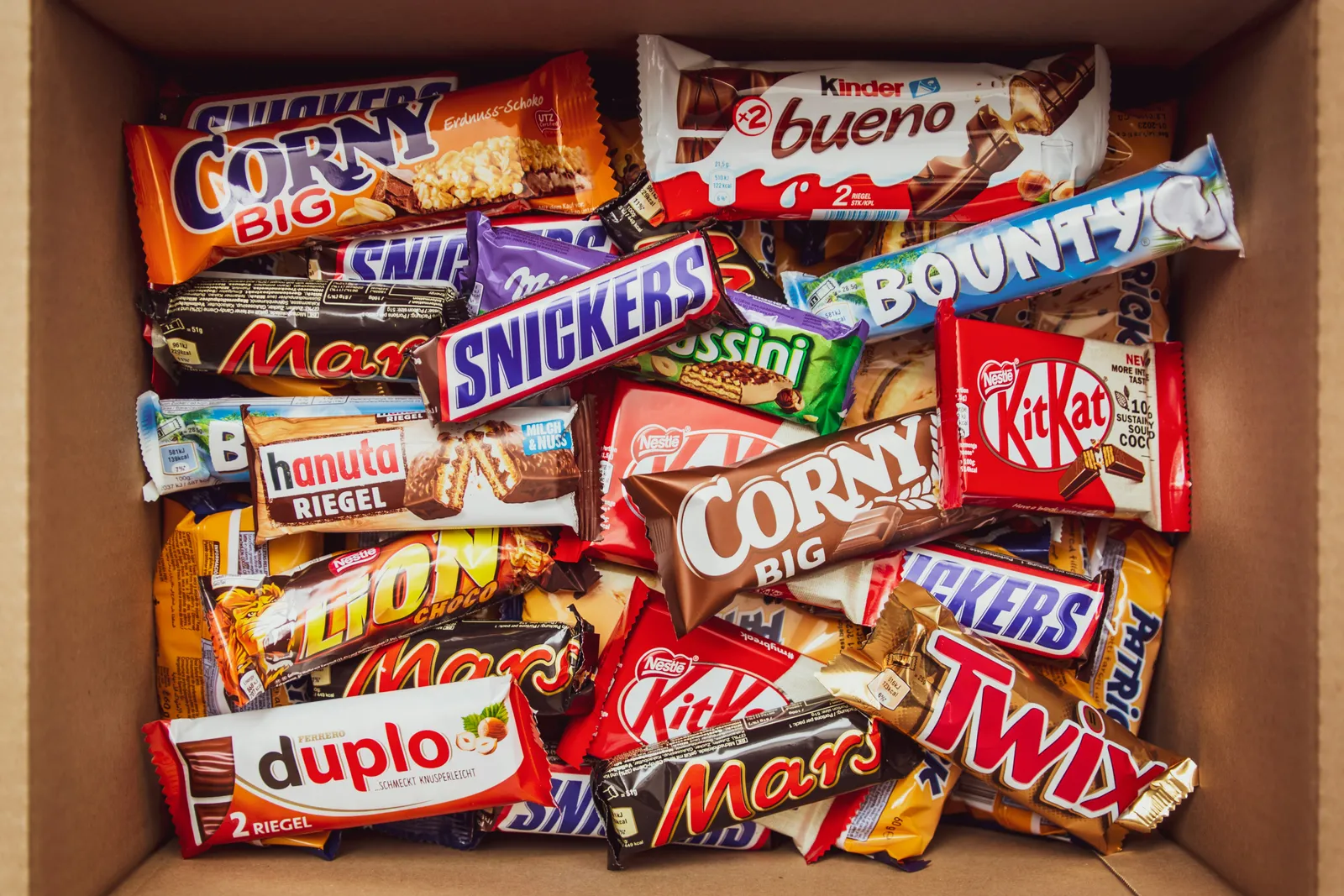
Open any protein bar review on TikTok and the comment section is doing quality control the brand didn't ask for. "How many of these creators are only saying they're great because they're paid to" is not a rare comment, it's a recurring one, sitting under posts with hundreds of thousands of views. The snack and protein bar audience has built one of the more skeptical review cultures in food content, complete with blind taste tests, numeric macro-to-taste scorecards, and creators who've built entire followings on being willing to say a popular bar tastes like cardboard.
That skepticism is the single most important thing to understand before briefing a snack bar creator campaign. A brief that asks a creator to only praise the product, with no room for an honest take on taste, texture, or value, is asking them to produce exactly the kind of content this audience has learned to distrust. The brands winning in this category are working with that skepticism, not against it.
Why snack bars need a category-specific playbook
The category is large, competitive, and consolidating. Mars' 2024 acquisition of Kellanova brought RxBar and NutriGrain under one roof with Mars' existing portfolio, a sign of how much bigger players are betting on the format as legacy confectionery sales soften. At the same time, challenger brands are moving fast: Barebells has climbed into the top tier of protein bar market share within a few years, and newer entrants built specifically around macro transparency, high protein, low sugar, minimal ingredient lists, are winning attention even against decades-old category leaders.
Consumer behavior backs up how central this category has become. The large majority of US consumers report buying a snack, nutrition, or performance bar within the past few months, and that share has grown rather than plateaued. This isn't a niche fitness category anymore. It's a mainstream snacking format with a fitness-culture content engine attached to it.
That content engine is specific and format-driven. Creators rank bars against each other in tier lists. They run blind taste tests where they don't know the brand ahead of time. They post "silent reviews" that let the reaction speak instead of scripted praise. They calculate protein-to-calorie ratios on screen. None of this is soft lifestyle content, it's closer to product testing content, and brands need to brief for that format rather than a generic recipe or lifestyle format that doesn't fit how this audience actually consumes bar content. Companion Week 2 category angles live in the oat milk and kombucha playbooks.
Creator selection for snack bar campaigns
Fitness, gym, and macro-tracking creators are the core casting pool for this category, and within that pool, the creators worth prioritizing are the ones with an established pattern of honest, sometimes critical reviews, not creators who post exclusively positive brand content. Counterintuitively, a creator known for being tough on products brings more credibility to a positive review than a creator who's never posted anything but praise, because their audience has already learned to trust their judgment.
Engagement quality matters more than raw follower count in this specific category, because the audience is unusually likely to comment with pushback, alternative product suggestions, or requests for more detail on ingredients and sourcing. A creator whose audience actively engages with that level of scrutiny is a stronger fit than a larger creator whose audience scrolls past without comment.
Nutrition-credentialed creators, registered dietitians and sports nutrition coaches posting on social platforms, are worth including in the roster for brands with a genuine ingredient or formulation story to tell, since this audience responds to credentialed opinions differently than to a general fitness creator's take.
Content and brief strategy for snack bar content
Brief creators to include real trade-offs, not just strengths. A brief that asks a creator to say a bar has great macros and great taste and great price with no caveats reads as scripted to an audience trained to spot exactly that pattern. Content that acknowledges a real trade-off, strong macros but a firmer texture, or great taste but a higher price point, reads as credible and tends to perform better with this audience than unqualified praise.
Comparison and ranking formats work well here because they match how this audience already consumes content. A brief built around "how does this stack up against what's already in your gym bag" gives a creator a natural, native format to work in rather than asking them to produce an isolated product-praise video that stands out as an ad in their feed.
Where the product has a genuine formulation differentiator, ingredient sourcing, sugar content, protein source, briefing that detail specifically and accurately matters more in this category than almost any other food category, because the audience is actively fact-checking nutrition claims in the comments section in real time.

Creator selection built for a scrutiny-heavy category
Filter for engagement quality and content credibility, not just fitness-adjacent follower count.
Attribution and measurement for snack bar campaigns
Comment volume and comment sentiment are unusually meaningful secondary signals in this category compared to most food CPG verticals, given how actively this audience debates products in the comments. Tracking comment sentiment alongside standard engagement and impression metrics gives a more complete read on whether content is actually landing credibly with this skeptical audience, rather than just accumulating views.
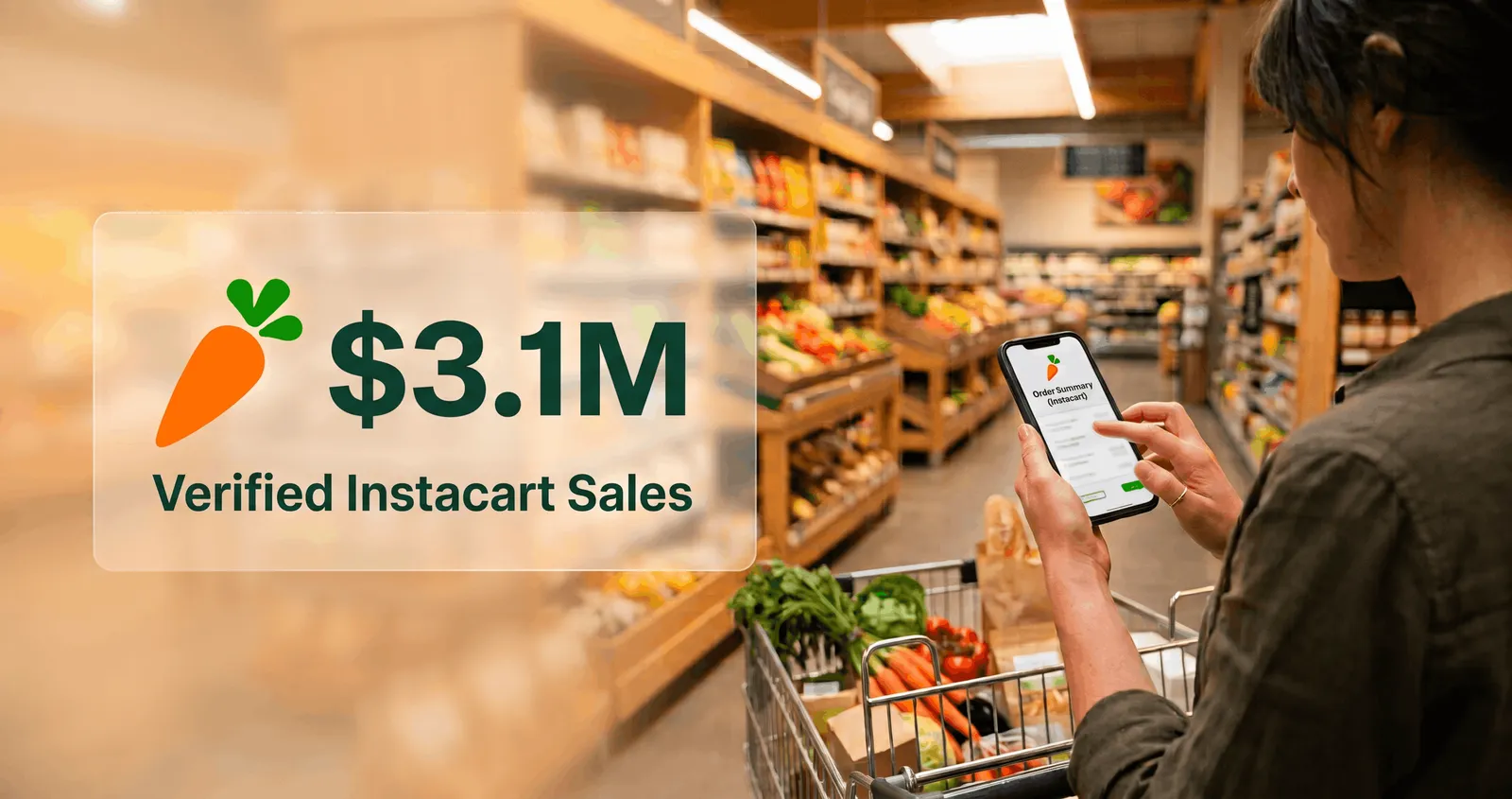
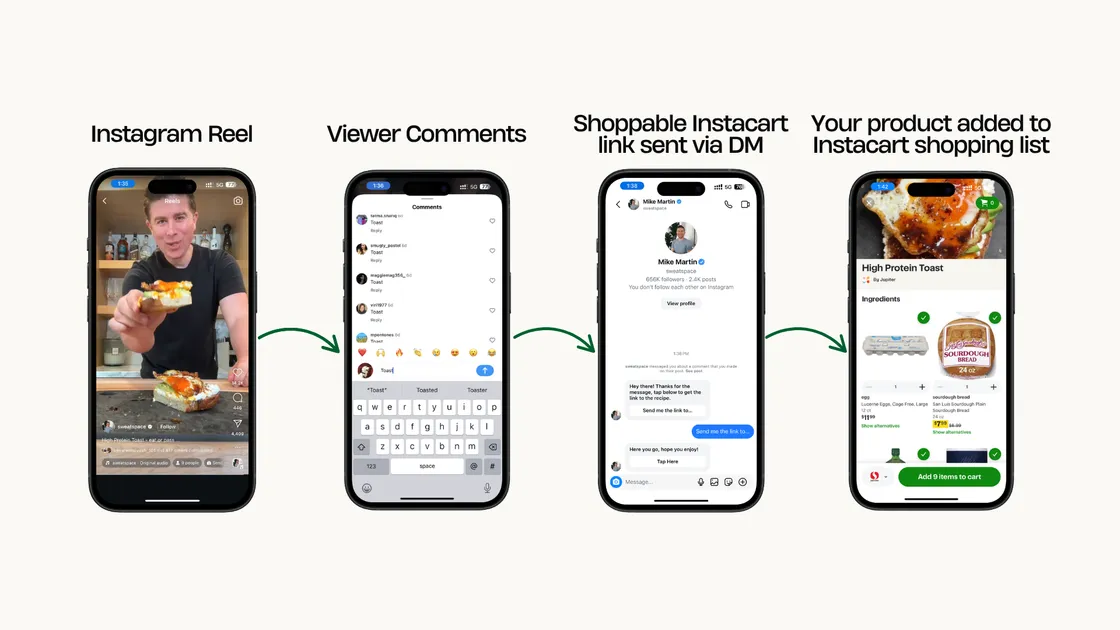
Where the brand's distribution includes Instacart-covered retailers, the standard comment-to-cart mechanic applies well here, since this audience frequently asks in comments where to buy a bar they've just watched reviewed, representing clear, trackable purchase intent. Standard food CPG creator campaign CPM, $1.25 to $12.67 depending on category and structure, applies to snack bar campaigns as well, with fitness and macro-focused creator tiers generally falling in a similar range to other food categories. Full category and platform context lives in the 2026 food CPG influencer benchmark.
Briefing only positive claims for an audience that fact-checks in the comments?
This category's most trusted creators are the ones willing to say what doesn't work, not just what does.
How Jupiter handles snack bar influencer marketing for CPG
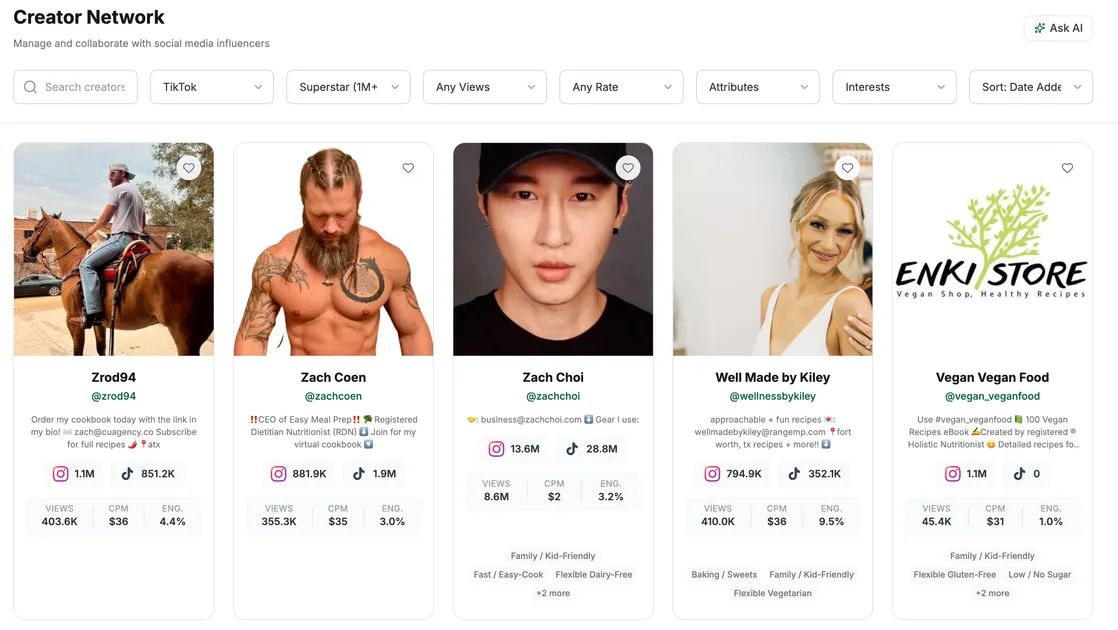
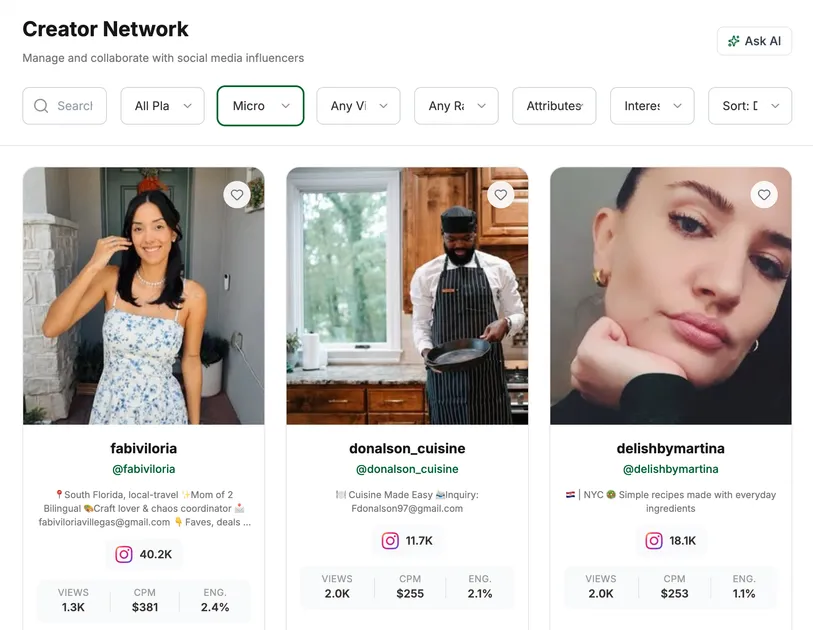
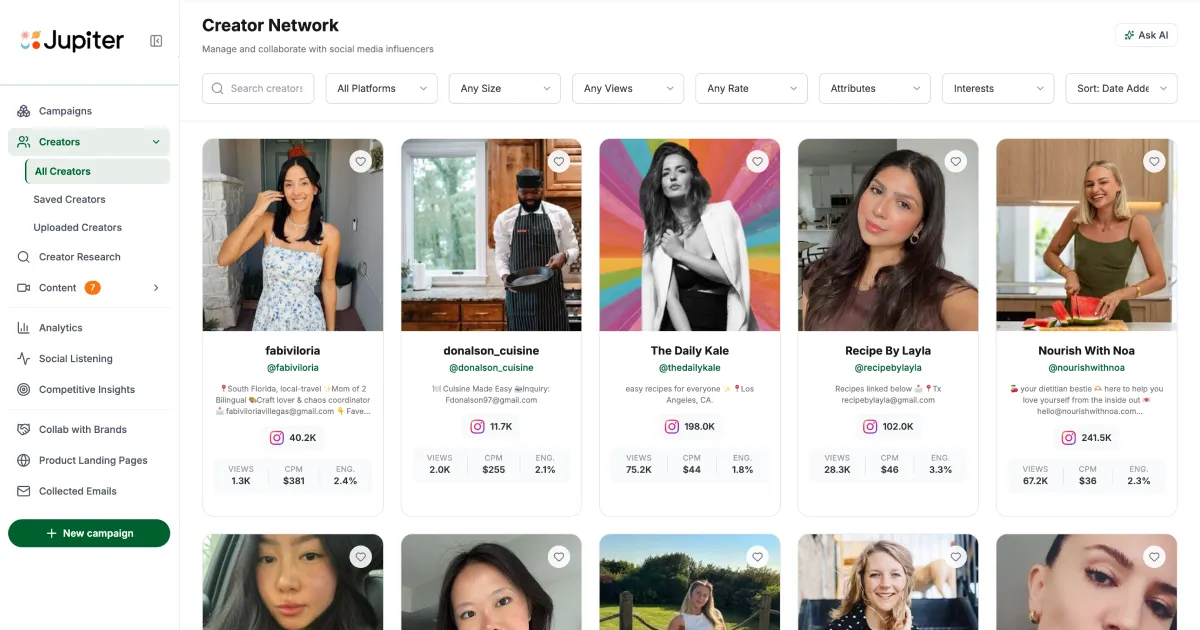
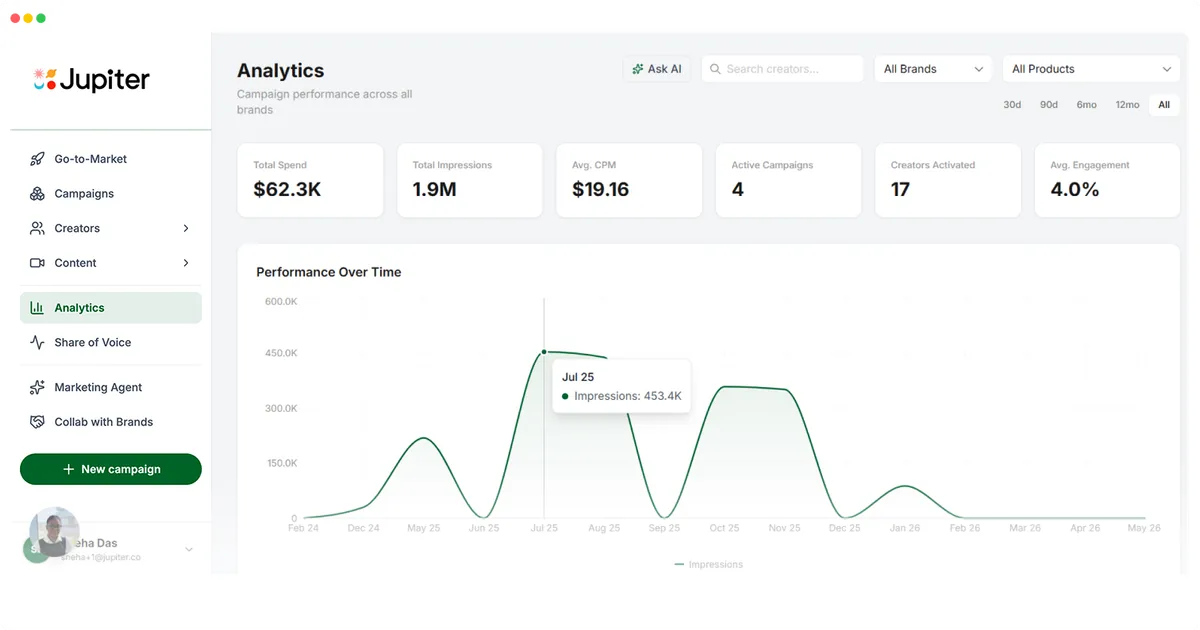
Jupiter's creator network is filterable by content interest, making it possible to build a snack bar roster around fitness and macro-tracking creators with an established, credible review pattern rather than defaulting to general food or lifestyle creators unfamiliar with this category's specific content norms. The optimizer's 12 signals, including engagement quality and content interest alignment, help surface creators whose existing audience relationship already carries the trust this scrutiny-heavy category depends on.
Campaign budgets for a snack bar launch or seasonal push fall within the same $1.25 to $12.67 CPM benchmark range that applies across food CPG creator campaigns, with creator tier mix and category positioning, mainstream versus challenger, being the main drivers of where a specific campaign lands.
Used by 58+ leading CPG brands including Banza, Pete & Gerry's, and Kettle & Fire
See how Jupiter builds a credible, review-culture-fluent creator roster for your next snack bar campaign.
FAQs
Quick answers to common questions.
How do I run a snack bar influencer campaign?▼
Cast fitness and macro-tracking creators with an established pattern of honest, sometimes critical reviews, brief them to include real trade-offs rather than unqualified praise, and lean into comparison or ranking content formats that match how this audience already consumes bar content.
What does a snack bar creator campaign cost?▼
Food CPG creator campaigns in production data range from $1.25 to $12.67 CPM depending on category and structure. A snack bar campaign's cost falls within that same range, with fitness and macro-focused creator tiers generally comparable to other food categories.
Why is honesty so important in snack bar creator content?▼
The protein and snack bar audience has built an entire content genre around blind taste tests and critical, numeric reviews, and openly distrusts creators who only post unqualified praise. Content that acknowledges real trade-offs tends to perform better and convert more credibly than scripted, all-positive content.
What kind of creators work best for snack bar content?▼
Fitness, gym, and macro-tracking creators with a genuine track record of honest reviews, including some critical ones, generally build more trust with this audience than creators who post exclusively positive brand content, even if their overall follower count is smaller.
How competitive is the snack bar category right now?▼
Very. Major consolidation, including Mars' acquisition of Kellanova and its RxBar and NutriGrain brands, sits alongside fast-growing challenger brands built around macro transparency and clean-label formulation, and the large majority of US consumers report buying a bar within the past few months.
How do I measure a snack bar creator campaign?▼
Track comment volume and sentiment alongside standard engagement and impressions, since this audience actively debates and fact-checks products in the comments. Where Instacart coverage exists, the comment-to-cart mechanic works well, since viewers frequently ask directly where to buy a reviewed product.
Related Posts
Browse more from our blog.