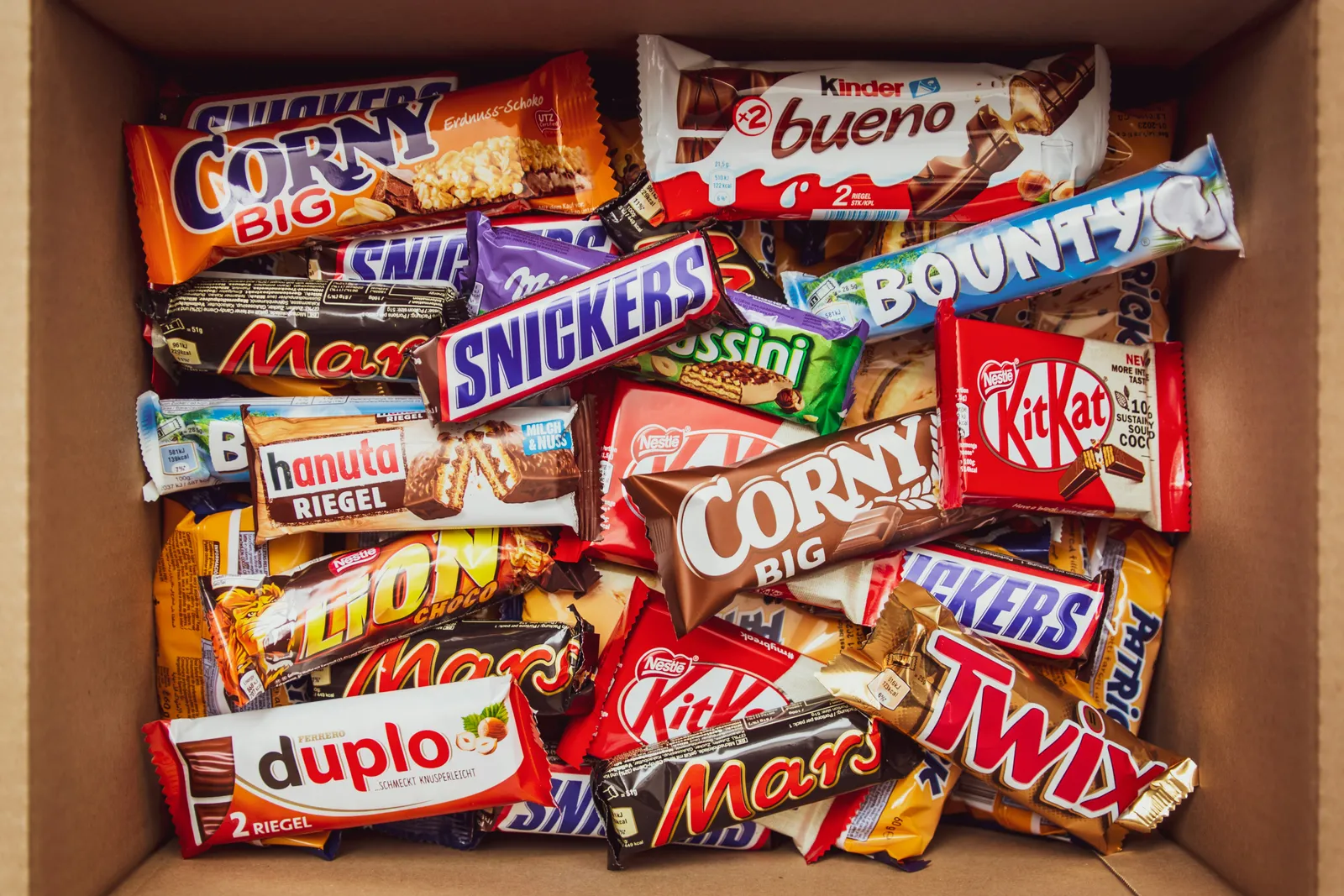
Launching at Target: How to Drive Velocity After You Hit the Shelf
Target shoppers love finding something new. A post-launch plan built around that discovery moment, and repeated over the first months, is how new items earn their slot.
Velocity at Target comes from turning the discovery moment into first purchase, then giving shoppers new reasons to come back. Have discovery-style creator content live the week the item hits shelf, focus reach on regions where it's stocked, pair content with Target Circle offers or Roundel where available, and follow with new angles in waves over the first months. Measure units per store per week and repeat signals.
Key takeaways
- The 'just found this' moment only works close to the shelf date, so content must be ready at launch.
- Focus reach on the regions and stores that carry the item.
- Pair creator content with Target Circle offers or Roundel campaigns when possible.
- Follow the launch with new angles in waves so velocity holds after the first weeks.
Trusted by leading CPG brands















Target shoppers treat grocery aisles like a place to discover things. That makes the first weeks of a Target launch unusually powerful for creator content, and unusually short. Once a product has been on shelf for a while, the discovery angle stops working. This playbook is the post-launch velocity plan. For creator selection and brief basics, see our Target influencer marketing playbook.
Before launch: prepare for the shelf date
Confirm the shelf date and which stores carry the item. New items often start in a subset of stores.
Recruit creators who already make discovery and trend content, whose audiences live near those stores.
Produce content in advance so it can post the week the product lands.
Ask about Target Circle offers or Roundel support that can run alongside creator content.
Launch weeks: own the discovery moment
The best launch content opens with finding the product, then shows why it's worth trying: taste, a quick use, a reaction. Clear packaging and a clear 'at Target' mention matter, because shoppers will go looking for it. Content should cluster tightly around the shelf date so the 'new at Target' framing is true when shoppers see it.

Launching at Target soon?
Jupiter builds discovery-first creator rosters around the stores carrying your item, ready to post on the shelf date.
Months one to three: give shoppers new reasons
After the first weeks, 'look what I found' loses its pull. Shift to new angles that keep the product in feeds and turn triers into repeat buyers:
Use-case content: a recipe, a snack pairing, a party idea.
Seasonal content timed to Target's resets and seasonal moments.
Taste-test and comparison content that answers 'is it worth it?'
Reposting top creator content as paid social or Roundel creative, with the right usage rights.
Focus where the product is
If the item is in a subset of stores, national reach wastes budget. Weight creator audiences toward regions with the most stores carrying it. This is also where velocity is measured, so concentrated demand does more for the buyer's numbers than scattered awareness.
Measure what the buyer sees
Metric | Why it matters |
|---|---|
Units per store per week | The main number the buyer compares against the category |
Velocity in targeted regions | Shows whether creator content is moving product |
Saves, shares, and 'where is this' comments | Strong early signals of discovery-driven intent at Target |
Target Circle offer redemptions, where available | A closer link between content and purchase |
Share results with the buyer after the first couple of months, along with the next wave of planned content. The same approach that protects any listing applies here, covered in How to Keep Your Product on the Shelf.
Common mistakes
The first is posting discovery content long after launch, which reads as inauthentic to a shopper base that knows this format well. The second is stopping after launch week. The third is reaching a national audience when the item is only in some stores.
Used by 58+ leading CPG brands including Banza, Pete & Gerry's, and Kettle & Fire.
Jupiter's campaigns have delivered 800M+ impressions across food CPG. See how we build a Target launch velocity plan.
FAQs
Quick answers to common questions.
How do I drive velocity after launching at Target?▼
Have discovery-style creator content live the week the item hits shelf, focus reach on regions where it's stocked, pair content with Target Circle offers or Roundel when available, and follow with new angles in waves over the first months.
Why does timing matter so much for a Target launch?▼
Target shoppers respond to discovery framing, and 'just found this' content only feels true close to the shelf date. Content posted months later loses that credibility.
What kind of creators work best for a Target launch?▼
Creators who already make discovery and trend content, with recent engagement and audiences near the stores carrying the item.
How is velocity measured at Target?▼
Mainly as units per store per week against the category, which buyers use when deciding whether a new item keeps or grows its space.
What should creator content do after launch week?▼
Shift from discovery to new reasons to buy: recipes, pairings, seasonal ideas, and taste tests that turn first-time buyers into repeat buyers.
More in Retailer & Category Playbooks
More from Retailer & Category Playbooks.