Why Oat Milk Brands Need a Coffee-Content Strategy, Not Just a Recipe One
Oat milk isn't really a recipe category. It's a coffee category that happens to be sold in the dairy aisle, and most creator campaigns still get briefed like the former.
Trusted by leading CPG brands









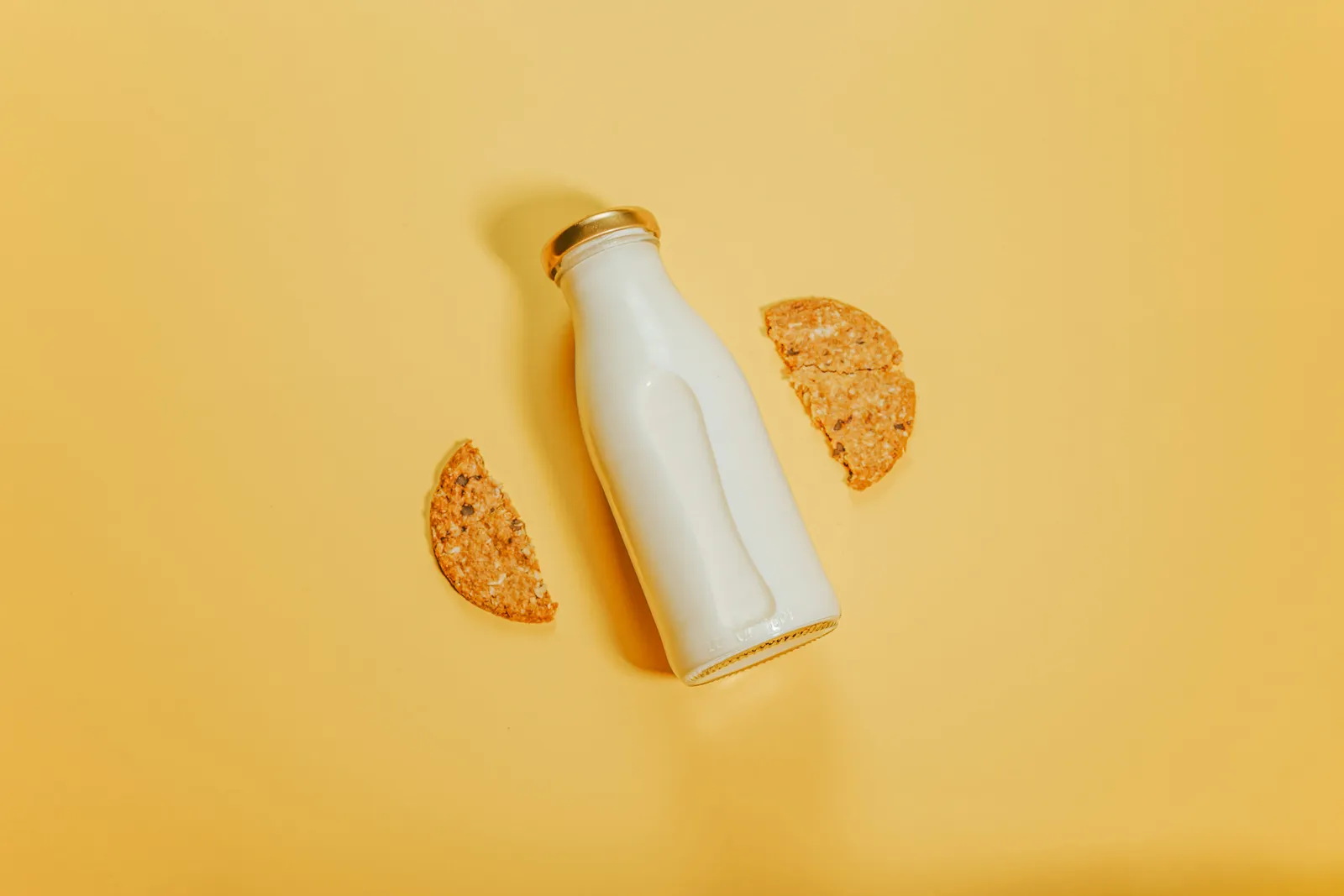
The oat milk brand that treats its creator strategy like any other plant-based category, a recipe video here, a smoothie video there, is leaving its strongest channel unused. Oat milk earned its place in the American fridge almost entirely through coffee. It foams. It steams. It holds latte art. That's the reason Oatly built a specialty coffee-shop following years before it was a mainstream grocery item, and it's still the reason the category keeps growing faster than almond or soy milk did at the same stage.
This matters for creator strategy because it changes who the right creator is. A brand that casts general plant-based lifestyle creators and briefs them for smoothie or baking content is competing in a crowded, low-differentiation lane. A brand that casts coffee and home-barista creators and briefs them around the thing oat milk actually does better than other plant milks, foam, texture, latte art, is competing in a lane most competitors haven't fully claimed.
Why oat milk needs a category-specific playbook
The oat milk category is still growing fast. US market size estimates for 2026 range roughly from just under $1 billion to closer to $1.4 billion depending on the research firm, with most forecasts putting compound annual growth in the 8 to 13 percent range through the early 2030s. The exact number matters less than the direction: this is not a maturing category coasting on past growth, it's one still actively converting new households, largely through the same channel that built it in the first place, coffee.
That coffee channel has its own social momentum right now. Cold foam interest on TikTok rose sharply through 2025, and platforms tracking food and beverage trend data expect continued growth into 2026, driven by exactly the kind of visually foamy, photogenic drink content that oat milk is built to support. Oatly's own move into a dedicated barista cold foam product wasn't a coincidence, it was a direct response to where the content and the category were already headed. A brand that isn't briefing creators around this exact visual trend right now is missing the moment it's happening in. For the broader platform context, see TikTok influencer marketing for food and beverage brands.
Creator selection for oat milk campaigns
Cast coffee and home-barista creators first, general food or plant-based lifestyle creators second. This is close to the inverse of how most CPG brands build a creator roster, but oat milk's actual use-case advantage over other plant milks lives specifically in the coffee and latte space, not in general cooking or baking content. A creator whose feed already includes latte art, pour-over routines, or home espresso setups brings an audience that has already opted into caring about milk texture and foam quality, which is precisely the product attribute oat milk needs to sell.
Nano and micro creators deserve real weight in this roster, not just as a budget-efficiency play but because of where the influencer marketing industry itself is heading. Nano and micro creators are on track to account for close to half of total influencer marketing spend in 2026, a shift driven by brands increasingly prioritizing trust and audience relevance over raw follower count. That shift maps cleanly onto oat milk, where a smaller creator with a genuinely engaged home-barista audience often outperforms a larger generalist food creator on the specific behavior that matters, trying the product in an actual coffee routine.
Employee and staff-style creator content is also worth watching in this category. Coffee shop employees and baristas posting their own content, sometimes formalized through brand creator programs, are increasingly influential on how younger audiences discover new drink products, and that dynamic extends naturally to the retail oat milk brands those same drinks are made with.

Creator selection built for coffee and home-barista content
Filter for content interest alignment with coffee and barista formats, not just general food or plant-based tags.
Content and brief strategy for oat milk
Brief creators around foam performance, texture, and how the product behaves in an actual drink, not just flavor or ingredient sourcing. This is the single biggest gap between generic plant-based milk content and oat milk content that actually converts a coffee-drinking audience. A creator showing steamed milk foam holding its shape in a latte, or a cold foam pour that stays distinct from the cold brew underneath, demonstrates the exact functional advantage that separates a strong oat milk product from a weaker one, and that a written product description can't show as convincingly.
Recipe content still has a place, oat milk baking and cooking use cases are real, but it shouldn't be the default brief. Where recipe content is used, tying it back to a coffee or breakfast occasion, an oat milk latte alongside an oat milk baked good, for instance, keeps the content anchored to the category's strongest association rather than competing on generic plant-based recipe ground against every other alt-milk brand.
Barista-format content also travels well across both Instagram and TikTok without much adaptation, since the visual appeal of pour, foam, and latte art holds up in both a Reel and a TikTok video, which isn't true of every food content format.
Attribution and measurement for oat milk
Attribution for a coffee-and-foam-driven campaign should weight engagement quality, saves and shares specifically, more heavily than for a typical recipe-content campaign, since this content type tends to be saved and referenced later by viewers building their own home coffee routine rather than acted on immediately. Track that saved-content behavior alongside standard impression and engagement metrics rather than expecting a single-session conversion pattern.
Where the brand's distribution includes Instacart-covered retailers, the standard comment-to-cart mechanic still applies and works well here, since a viewer who's just watched a compelling foam or latte demonstration is a strong candidate to act on a shoppable link in the moment. Standard food CPG creator campaign CPM, $1.25 to $12.67 depending on category and structure, applies to oat milk campaigns as well, with content interest alignment and creator tier mix being the primary drivers of where a specific campaign lands in that range. Full category and platform context lives in the 2026 food CPG influencer benchmark.
Still casting general plant-based creators for a coffee-driven category?
Oat milk's biggest advantage lives in the coffee cup, not the recipe card. The creator roster should reflect that.
How Jupiter handles oat milk influencer marketing for CPG
Jupiter's creator network is filterable by content interest, which makes it possible to build an oat milk roster specifically around coffee, home-barista, and latte-art content rather than defaulting to general plant-based or recipe creators. The optimizer's 12 signals, including content interest alignment and engagement quality, help surface creators whose existing audience relationship already matches oat milk's coffee-first use case.
Campaign budgets for an oat milk launch or seasonal push fall within the same $1.25 to $12.67 CPM benchmark range that applies across food CPG creator campaigns, and a nano-and-micro-weighted roster, in line with where the broader creator economy is trending in 2026, can be a genuinely efficient structure for this category specifically.
Used by 58+ leading CPG brands including Banza, Pete & Gerry's, and Kettle & Fire
See how Jupiter builds a coffee-and-barista-focused creator roster for your next oat milk campaign.
FAQs
Quick answers to common questions.
How do I run an oat milk influencer campaign?▼
Cast coffee and home-barista creators ahead of general plant-based or recipe creators, brief them around foam performance and texture rather than flavor alone, and lean into the current cold foam and latte content trend that's driving engagement in the coffee content space right now.
What does an oat milk creator campaign cost?▼
Food CPG creator campaigns in production data range from $1.25 to $12.67 CPM depending on category and structure. An oat milk campaign's cost falls within that same range, with content interest alignment and creator tier mix being the main drivers.
Why does coffee content matter more than recipe content for oat milk?▼
Oat milk built its category presence primarily through specialty coffee and barista use before becoming a mainstream grocery item, and it still outperforms other plant milks specifically on foam and steaming performance. Creator content that demonstrates that advantage tends to convert a coffee-drinking audience more effectively than general recipe content competing against every other plant-based milk.
What kind of creators work best for oat milk content?▼
Coffee and home-barista creators, including nano and micro creators with genuinely engaged coffee-focused audiences, generally outperform general plant-based lifestyle creators for this category, since their existing audience relationship already centers on the exact product attribute, foam and texture, that oat milk needs to demonstrate.
Is the oat milk market still growing?▼
Yes. Market research estimates vary, but most place 2026 US oat milk market size in the roughly $1 billion to $1.4 billion range, with compound annual growth in the high single digits to low double digits projected through the early 2030s.
How do I measure an oat milk creator campaign?▼
Weight engagement quality, saves and shares in particular, more heavily than for a typical recipe campaign, since coffee and barista content tends to be saved for later reference rather than acted on immediately. Where Instacart coverage exists, the standard comment-to-cart mechanic remains a strong secondary signal.
More in Retailer & Category Playbooks
More from Retailer & Category Playbooks.