Why Food Brands Are Paying for Ad-Ready Video Without Requiring a Post
Jupiter now runs UGC as its own campaign type: creators apply, deliver a video, and the brand owns the rights to run it as an ad. No posting, no handle, no disclosure required.
Trusted by leading CPG brands










On this page
▼
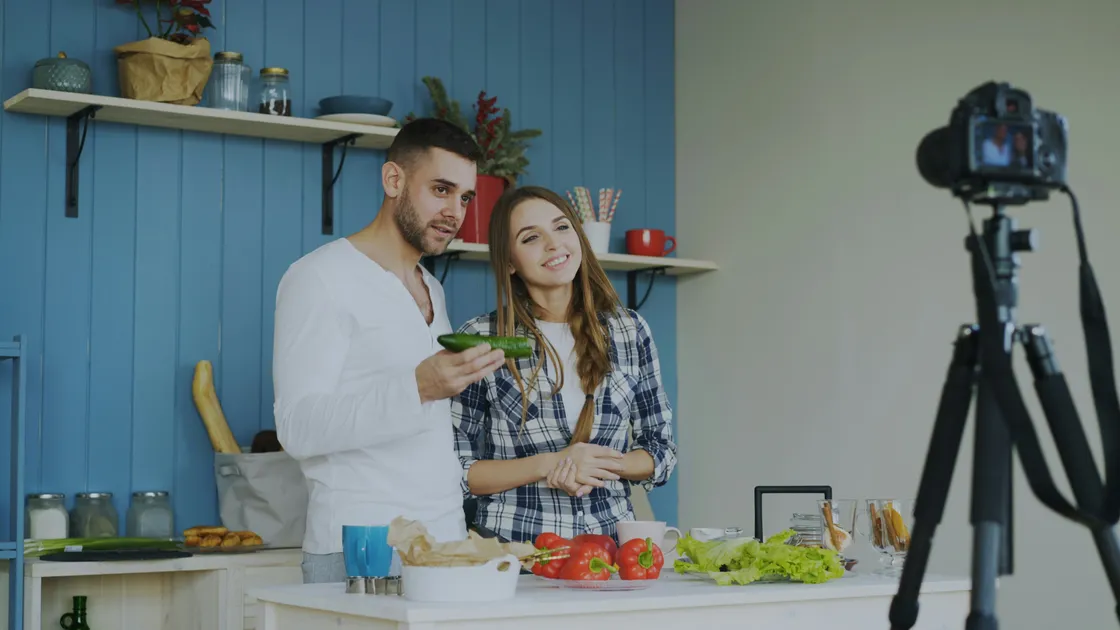
Most influencer marketing is built around one assumption: a creator posts, and the post is the deliverable. That assumption breaks down the moment a brand's actual goal is a paid ad asset, not a feed appearance. A UGC campaign is a creator engagement built for exactly that case. The creator applies, produces a video, and delivers the file. The brand owns the right to run it as an ad. The creator never posts, never discloses a partnership, and their handle never appears anywhere in the deliverable.
Jupiter now supports UGC as a first-class campaign type, live for every account. It sits alongside Ambassadorship, Creator Sampling, and Collaboration campaigns, but it solves a different problem than any of them.
The problem: buying reach when you actually need footage
CPG brands run two very different kinds of creator work, and most platforms only account for one of them.
The first kind is reach-driven. A brand wants a creator's audience to see a product, engage with it, and ideally buy it. Ambassadorship and Sampling campaigns are built for this. The creator's follower count, engagement rate, and content fit all matter, because the post itself is doing the work.
The second kind has nothing to do with reach. A brand's paid media team needs a library of short-form video, shot in a real kitchen with a real person, that looks native to a TikTok or Instagram feed, so it can run as an ad. The brand doesn't need that creator's audience. It needs the raw footage, cleared for advertising use, and it needs it repeatable at volume. Paying full sponsorship rates for follower reach the brand isn't using is the wrong tool for that job, and running organic UGC without a license is a legal problem waiting to surface the first time legal reviews the media plan.
UGC as a campaign type is Jupiter's answer to the second case specifically. It is closer to a commissioned production shoot than a sponsorship, priced and structured accordingly.
How a UGC campaign actually runs
A UGC campaign starts the same way any campaign does, with a brief: the product, the recipe or use case, the creative direction. From there, the mechanics diverge from a standard sponsorship in a few concrete ways.
Creators apply rather than get invited off a targeted roster. Every applicant submits a portfolio or sample link, so the brand is reviewing actual video quality before selecting anyone, not just follower counts or engagement rates. That matters because the creator's audience is irrelevant to a UGC campaign. Their ability to shoot a clean, feed-native video is what's being evaluated.
Once selected, the creator delivers a video file by an agreed deadline. There's a built-in revision structure, so if the first cut isn't quite right, the brand can request changes for a set number of rounds rather than negotiating a fix informally over email. When the brand approves the asset, that approval is the finish line. There's no posting step after it, because posting was never part of the deal. The creator gets paid on approval, and the brand gets a file it can put directly into ad accounts.
The pricing model reflects that. Instead of paying per post, a UGC campaign has a flat fee per approved asset. A brand sets a total budget, a fee per asset, and how many assets it wants per creator, and that math determines how many creators the campaign can bring on. It's a production budget, not a media buy.

See what a UGC campaign looks like from brief to delivered asset
Walk through Jupiter's UGC workflow with your own product and see how the numbers work for your budget.
The part brands actually care about: who owns the video
The reason a brand would choose UGC over an organic partnership comes down to one thing: usage rights. When a creator posts organically, the brand generally has permission to engage with that post, not a broad license to run it as a paid ad across channels indefinitely. That gap is where a lot of "we made great content, but legal won't clear it for the ad account" situations come from.
A Jupiter UGC campaign attaches an explicit license at the point of approval. The brand and creator agree on a license term, typically six, twelve, or twenty-four months, and which channels the license covers: paid social ads on Meta and TikTok, YouTube ads, the brand's own organic accounts, its website, email, or even in-store retail displays. Only the channels actually selected are licensed. If a channel isn't checked, the brand doesn't have rights to use the asset there, and Jupiter is explicit about that rather than leaving it ambiguous. Territory is also part of the agreement, so a brand running ads in a specific region has that scoped correctly from the start.
One distinction worth being direct about: a UGC license is not the same thing as whitelisting or creator handle usage in ads, sometimes called spark ads or partnership ads on TikTok and Meta. Those arrangements run an ad through the creator's actual account, using their handle and their existing audience relationship. UGC campaigns don't include that. The creator's handle never appears in the deliverable at all. If a brand specifically wants ads that run through a creator's account and carry their handle, that's a separate conversation, not a feature of the UGC campaign type.
Where the assets actually go
Every approved UGC asset lands in Jupiter's Asset Library, a space built specifically for content a brand has the rights to run as ads, separate from the Posted Content feed that tracks organic sponsored posts. A brand's paid media or performance marketing team can go into the library, pull cleared assets, and download them for use in ad platforms without digging through email threads or a shared drive that may or may not have the licensing terms attached to each file.
That library structure is a small detail with a real payoff. Content and legal terms often live in different systems at most brands, which is exactly how usage rights get lost or forgotten six months after a campaign wraps. Keeping the license term attached to the asset itself, inside the same platform where the video lives, removes that failure point.
Buying reach when you actually need footage?
If your paid media team keeps asking for cleared video and your influencer budget keeps buying posts instead, this is worth ten minutes.
Where UGC fits against Jupiter's other campaign types
Jupiter runs several distinct campaign types, and each is built around a different goal. Standard and Ambassadorship campaigns are reach-driven: a creator's audience sees the post, and Jupiter's 12-signal optimizer selects and prices the roster based on projected impressions for the budget. Creator Sampling is product-gifting with an expectation of organic posting. Collaboration campaigns split a budget and creator roster between two brands on Jupiter.
UGC sits apart from all of those because it isn't optimized for impressions at all. There's no follower range filter, no engagement rate floor, no projected reach number, because reach was never the point. A brand running a UGC campaign is buying video, not an audience. That's also why UGC campaigns skip the content-review-before-posting workflow entirely. Approval isn't a checkpoint before a post goes live. Approval is the deliverable.
For a CPG brand, the practical decision usually comes down to a simple question: does this creator's own audience need to see this content, or does the brand's ad account need this content? If it's the brand's ad account, UGC is the more direct route, and it's usually the more cost-efficient one, since the brand isn't paying a reach premium for an audience it isn't using.
How Jupiter handles UGC for food and beverage CPG brands specifically
Generic UGC platforms tend to optimize for one of two things: collecting every piece of tagged content a brand's existing partners already made, or plugging into a Shopify storefront for e-commerce ad creative. Neither is built around a food brand's actual constraint, which is that video has to look and feel like a real recipe or real use case, shot by someone who actually cooks or eats the way the target customer does.
Jupiter's UGC campaigns draw from the same network of 1,000+ vetted food and recipe creators used across every other campaign type on the platform, so the applicant pool a brand is reviewing is already food-content-native, not a general-purpose UGC marketplace where a brand has to sort cooking-capable creators out of a pool built for skincare and apparel. Applicants attach a portfolio, so a brand can see actual recipe or product video quality before selecting anyone, and every asset that gets approved flows into the same Asset Library structure used across the platform, with the license terms attached at approval.
For a food CPG brand that already runs Ambassadorship or Sampling campaigns through Jupiter, adding a UGC campaign means using the same account, the same brand assets and briefs, and the same team, just pointed at a production goal instead of a reach goal.
Your paid media team needs footage, not another sponsored post
Jupiter's UGC campaign type gets you licensed, food-native creator video without buying reach you don't need. See the workflow with your own product.
FAQs
Quick answers to common questions.
What is a UGC campaign type on Jupiter?▼
It's a campaign structure where creators apply, produce a video, and deliver the file directly to the brand, which then owns a paid usage license to run that video as an ad. The creator does not post the content to their own account and is paid when the brand approves the asset, not when a post goes live.
How is a UGC campaign different from Creator Sampling?▼
Creator Sampling is a product-gifting campaign where creators post organically about a product they received, and it's optimized through Jupiter's creator-fit scoring for reach. A UGC campaign has no posting step at all. It's priced per approved asset rather than per post, and it centers on a usage license rather than audience reach.
Does the brand own the video from a UGC campaign?▼
The brand receives a usage license, not full ownership. The license specifies a term, typically six, twelve, or twenty-four months, and which channels it covers, such as paid social ads, YouTube ads, brand-owned accounts, website, email, or retail display. Channels not included in the license aren't covered.
Does a UGC campaign include whitelisting or running ads through the creator's account?▼
No. UGC campaigns don't include whitelisting, spark ads, or partnership ads that run through a creator's handle. The creator's handle never appears in the deliverable. Whitelisting is a separate arrangement outside the scope of a UGC campaign.
How is pricing structured for a UGC campaign?▼
Brands set a total budget, a flat fee per approved asset, and how many assets they want per creator. That determines how many creators the campaign budget supports. It's structured as a production cost rather than a media spend tied to reach or impressions.
Where do approved UGC assets go once a campaign finishes?▼
Every approved asset lands in Jupiter's Asset Library, a dedicated space for ad-ready, rights-cleared content, separate from the Posted Content feed used for organic sponsored posts. Teams can pull assets directly from the library for use in paid ad accounts.
More in Campaign Types & Programs
More from Campaign Types & Programs.